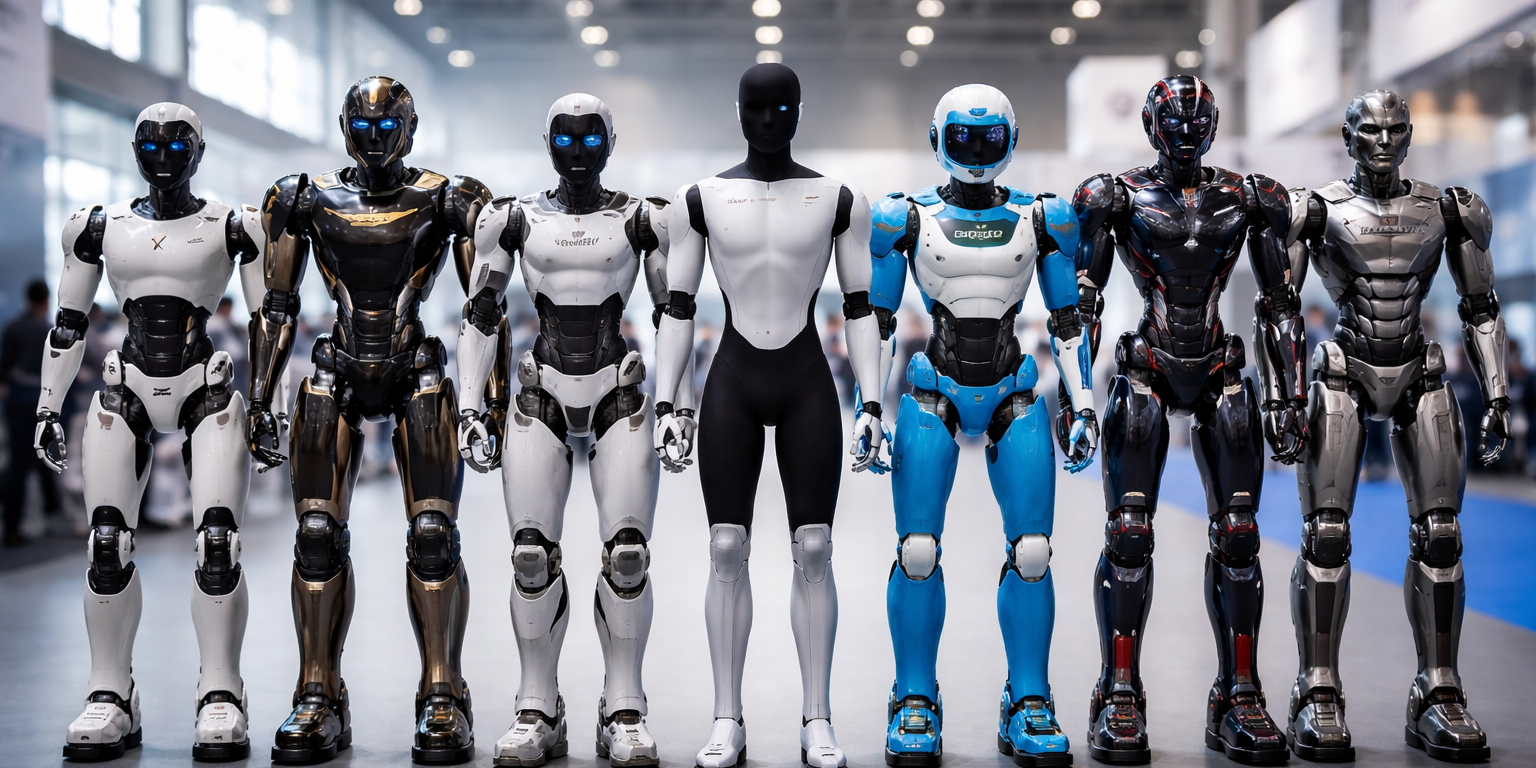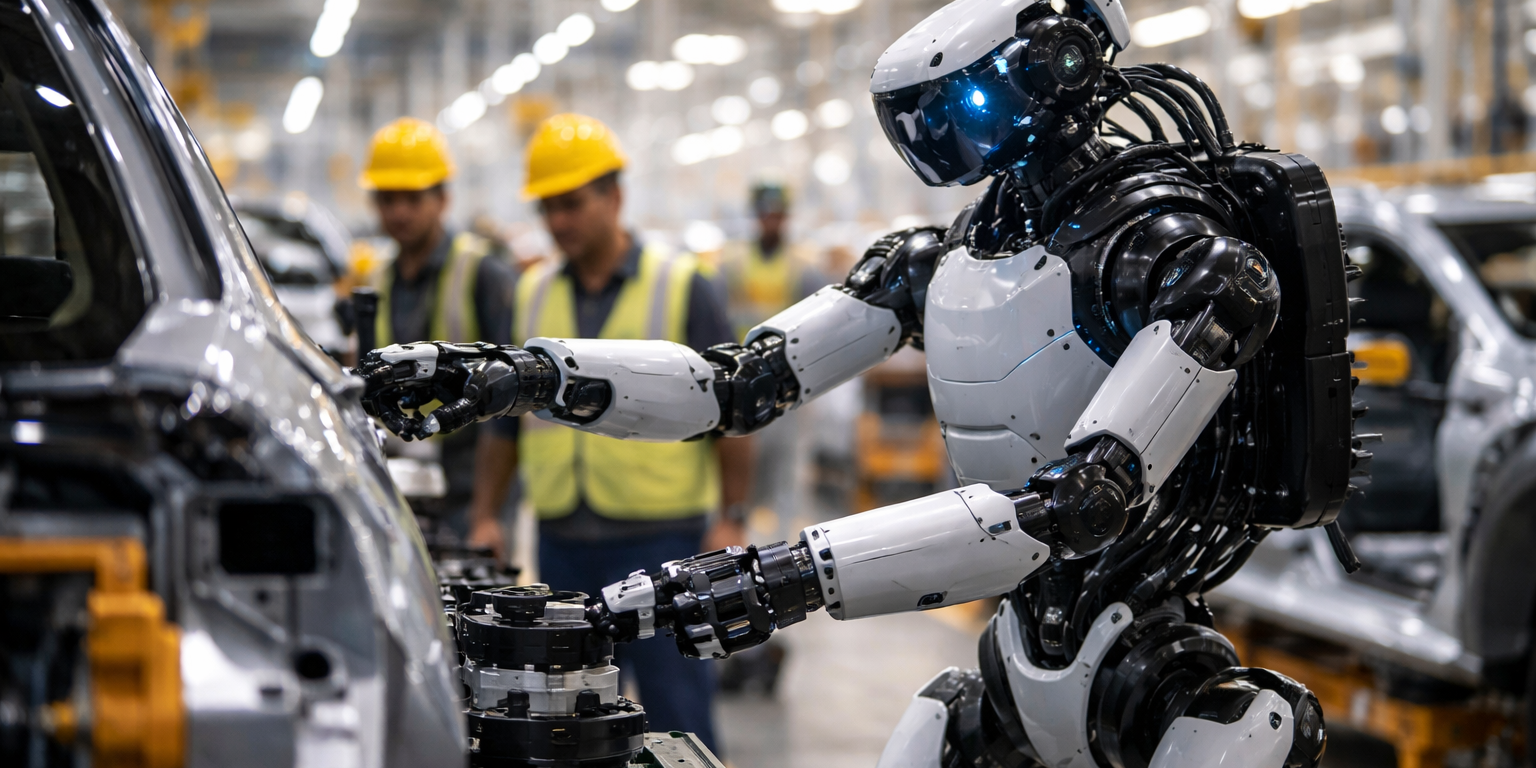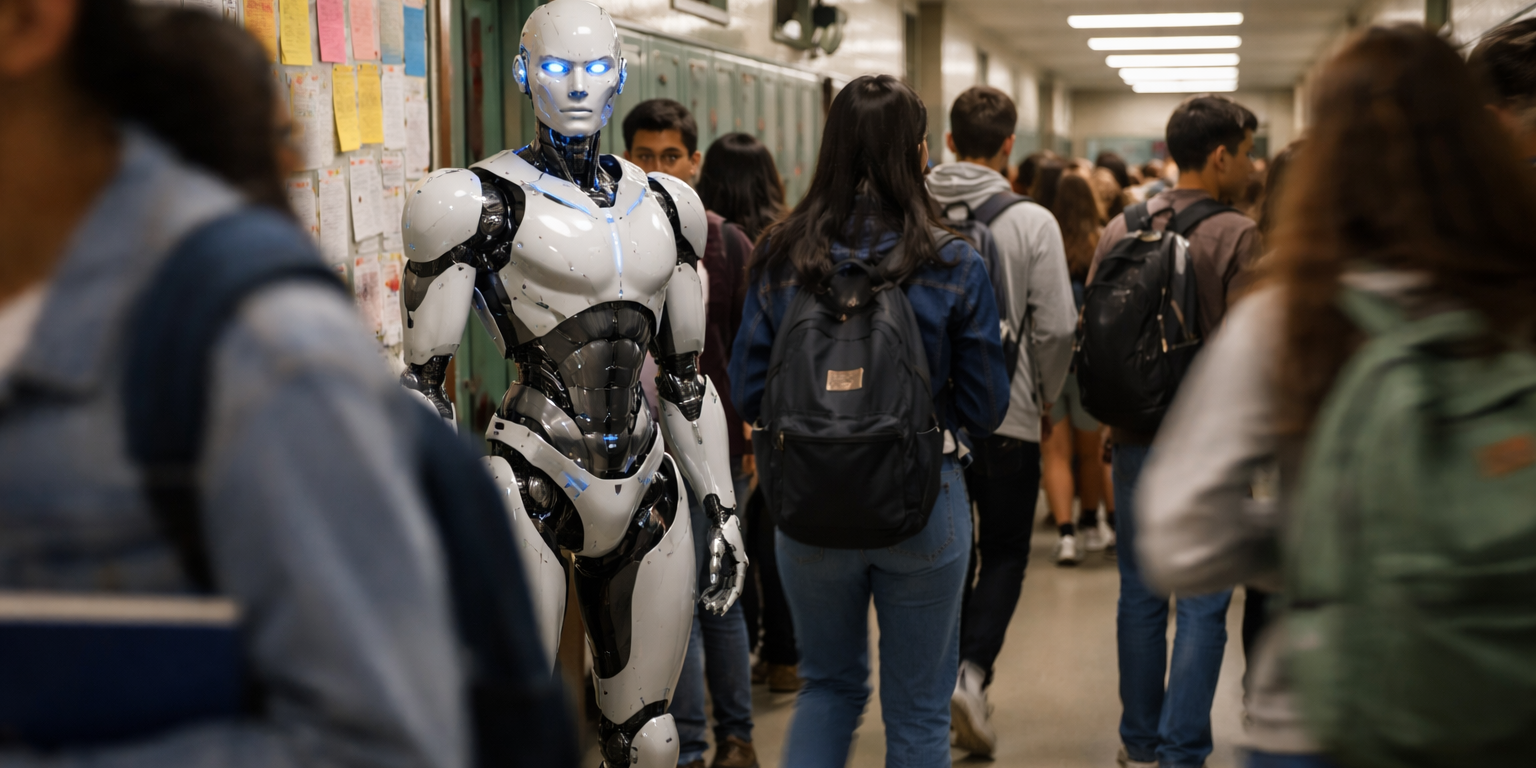
A humanoid robot built by Realbotix will begin working inside a New York City public high school when classes resume this fall, operating alongside students and faculty for the full academic year. The deployment, confirmed by the district in late June, includes both the physical robot stationed in common areas and an AI-powered homework support system accessible to students from home. The United Federation of Teachers, which represents more than 190,000 educators across the city's public schools, released a statement calling the program an improper experiment. "Our students are not lab rats," the union wrote, demanding that the district halt the deployment until a formal evaluation framework is established.
Realbotix, a San Diego-based company known primarily for custom humanoid platforms sold to research labs and entertainment clients, has not previously disclosed any educational product line. The company's flagship model, the Harmony platform, sells for between $8,000 and $12,000 depending on configuration and has been marketed primarily as a conversational companion with limited mobility features. Industry observers note that educational institutions typically pilot new robotics deployments in controlled settings before committing to full academic-year programs. The New York deployment appears to bypass that staged approach entirely. Neither Realbotix nor the district has disclosed the financial terms of the arrangement, whether the robot is being purchased or leased, or what technical support infrastructure will be in place once students return. The district identified the participating school only as a public high school in one of the city's five boroughs, declining to provide its name or location.
The homework assistant component raises separate questions about data privacy and academic integrity. According to materials provided to parents, students will be able to interact with the AI system from any internet-connected device, asking questions about assignments and receiving real-time explanations. The system is described as subject-agnostic, capable of supporting queries across mathematics, science, history, and language arts. What remains unclear is how the platform distinguishes between legitimate tutoring and completion of work that should be done independently. Teachers unions in other states have raised similar concerns about AI homework tools, arguing that without transparent guardrails, such systems effectively do the work for students rather than teaching them to think critically. The New York district has not released information about what usage logs will be kept, who will have access to student interaction data, or whether the AI's responses will be monitored for accuracy before students rely on them.
The collision between robotics companies and public education represents a growing friction point as school budgets tighten and technology vendors seek new markets. Robotics deployments in schools have historically centered on clearly defined roles: delivery robots moving materials between classrooms, disinfection robots operating overnight, or telepresence units allowing remote students to participate. Humanoid platforms occupy a different category. They are designed to interact socially, to be present in shared spaces, and to participate in environments built for human bodies. That makes them more versatile in theory, but also more complex from a policy standpoint. Schools must consider how students will respond to a human-shaped machine in hallways and common areas, what happens when the robot malfunctions in front of dozens of teenagers, and who bears liability if a student is injured during an interaction. None of these questions have established legal or regulatory answers. The New York district's decision to proceed without a publicly disclosed pilot phase suggests either significant confidence in the technology or pressure to demonstrate innovation in the face of competing districts.
What to Watch: Monitor whether the United Federation of Teachers escalates its opposition through formal grievance procedures or seeks an injunction before the fall semester begins. Track whether Realbotix discloses additional educational customers in the coming months, which would indicate a broader sector pivot. Watch for the district to release usage policies or data-sharing agreements as parents demand clarity on the homework AI component. Any incident reports filed during the first 90 days of deployment will signal whether the technical and social integration proceeds smoothly or encounters friction.