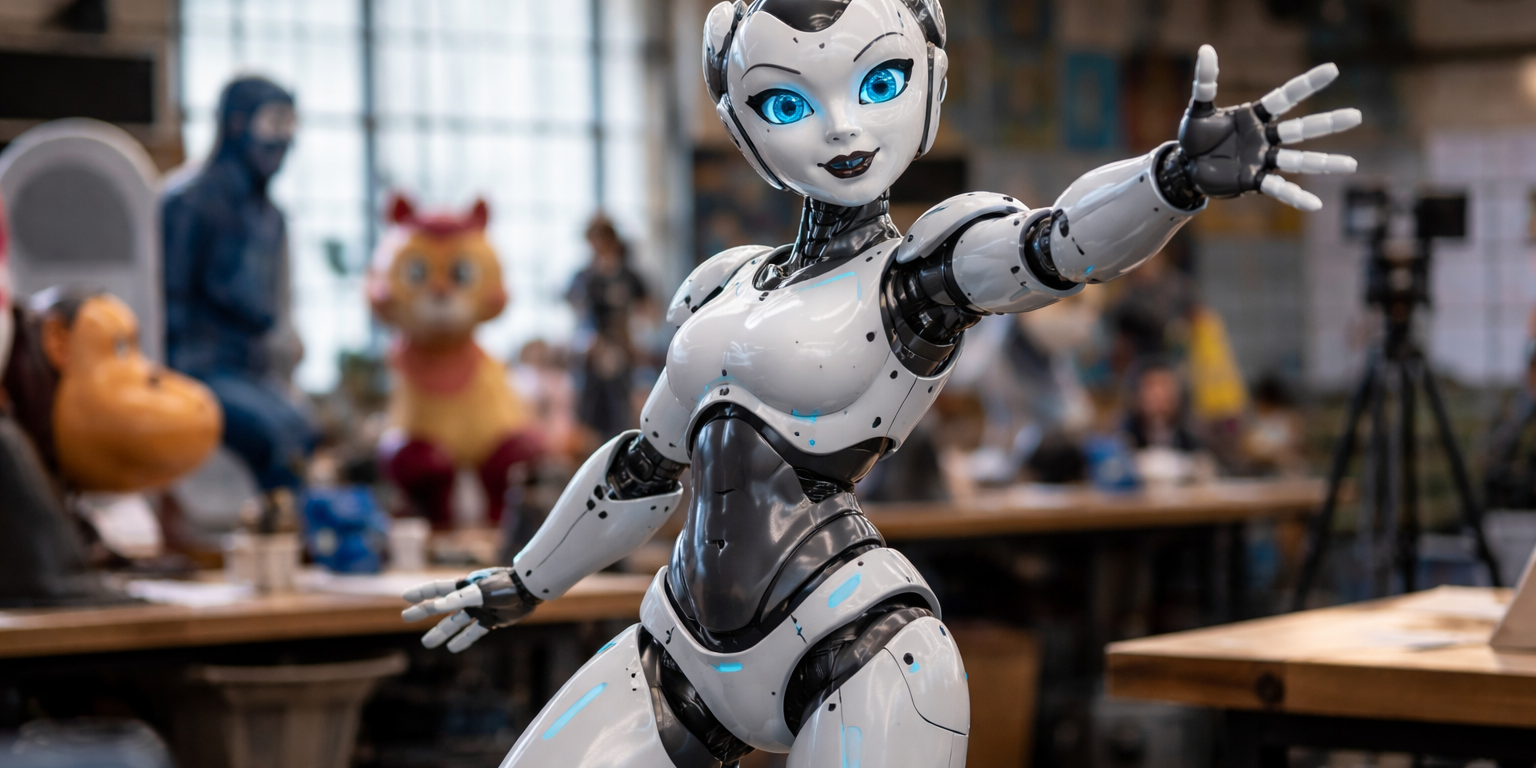
Service robots moved one step closer to the enterprise AI stack in Macau last week. Felix Zhang stood before a BEYOND Expo 2026 audience and described Pudu Robotics' delivery and cleaning machines not as hardware but as Physical AI systems—autonomous platforms where large language models meet real-world navigation. The pitch matters less for its technical accuracy than for its strategic timing. Pudu has placed more than 70,000 robots in restaurants, hotels, and hospitals worldwide since Zhang founded the company in Shenzhen eight years ago, making it one of the highest-volume service robotics manufacturers globally by unit count. But volume alone no longer guarantees momentum. Sales growth has stalled in mature markets as customers demand clearer return-on-investment data before committing to additional units. Zhang's reframing attempts to solve that problem by changing which budget line pays for the machines.
The distinction carries weight inside procurement departments. Capital equipment purchases trigger lengthy approval processes, multiple stakeholder reviews, and depreciation schedules that stretch across fiscal years. Software and cloud infrastructure budgets move faster, especially when tied to artificial intelligence initiatives that command executive attention and board-level interest. By positioning Pudu's robots as Physical AI infrastructure rather than mechanical systems, Zhang aligns his product with the generative AI wave that has redirected billions in enterprise spending over the past eighteen months. Whether procurement officers accept that framing remains an open question, but the attempt signals how service robotics manufacturers see their path forward in a market that has cooled since the pandemic-era labor shortage drove initial adoption.
Pudu's expansion strategy extends beyond messaging into geography. The company recently opened regional offices in Dubai and São Paulo, targeting hospitality and healthcare sectors in markets where labor costs are climbing but remain well below Western levels. Those regions represent a middle ground—expensive enough that automation pencils out financially, affordable enough that businesses haven't yet built the dense service infrastructure that makes robot deployment logistically complex. Zhang faces direct competition in those territories from Japanese manufacturers like SoftBank Robotics and South Korean firms including LG Electronics, both of which have poured resources into Southeast Asian and Middle Eastern markets over the past two years. The rivalry intensified after Chinese robotics companies encountered regulatory scrutiny in Europe and North America, redirecting their sales focus toward regions with fewer geopolitical barriers. Dubai's hospitality sector alone has absorbed hundreds of service robots since 2023, with hotels using them for room service delivery and luggage transport to differentiate guest experiences in an oversaturated luxury market.
The broader service robotics industry watches these positioning battles closely because manufacturer success hinges less on technical capability than on customer perception and ecosystem lock-in. Pudu's robots navigate autonomously using lidar and visual sensing, communicate through touchscreens and now voice interfaces powered by language models, and integrate with property management systems to receive task assignments. Competitors offer functionally similar capabilities. Differentiation emerges from brand recognition, after-sales support networks, and the ability to articulate value in terms customers already understand. Zhang's Physical AI framing borrows credibility from the generative AI boom while attempting to future-proof Pudu's market position. If enterprises begin evaluating service robots as AI deployment platforms rather than labor substitutes, manufacturers with strong software integration and cloud connectivity gain advantage over those selling primarily on hardware reliability and unit economics. That shift would reward companies capable of continuous software updates and model improvements delivered over the network, transforming one-time equipment sales into ongoing service relationships with recurring revenue potential.
What to Watch: Pudu's quarterly shipment numbers for Q2 and Q3 2026 will show whether the Physical AI positioning translates into faster sales cycles or remains marketing rhetoric. Watch for procurement announcements from major hotel chains in Dubai and São Paulo specifically, as those will indicate whether regional expansion delivers revenue or just burns capital. Japanese and Korean competitors' response strategies should emerge at Tokyo's robotics trade show in September, particularly around their own AI integration messaging.