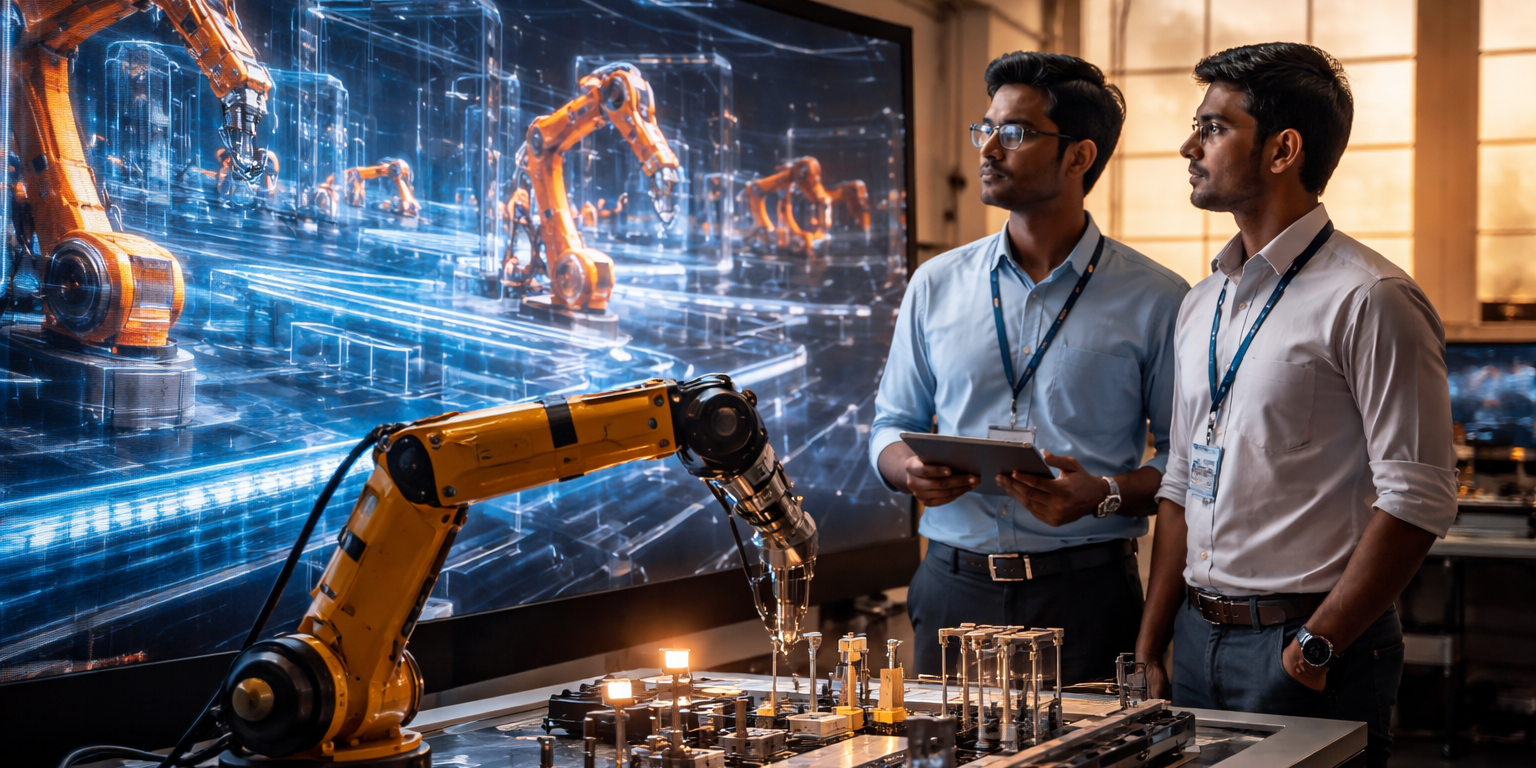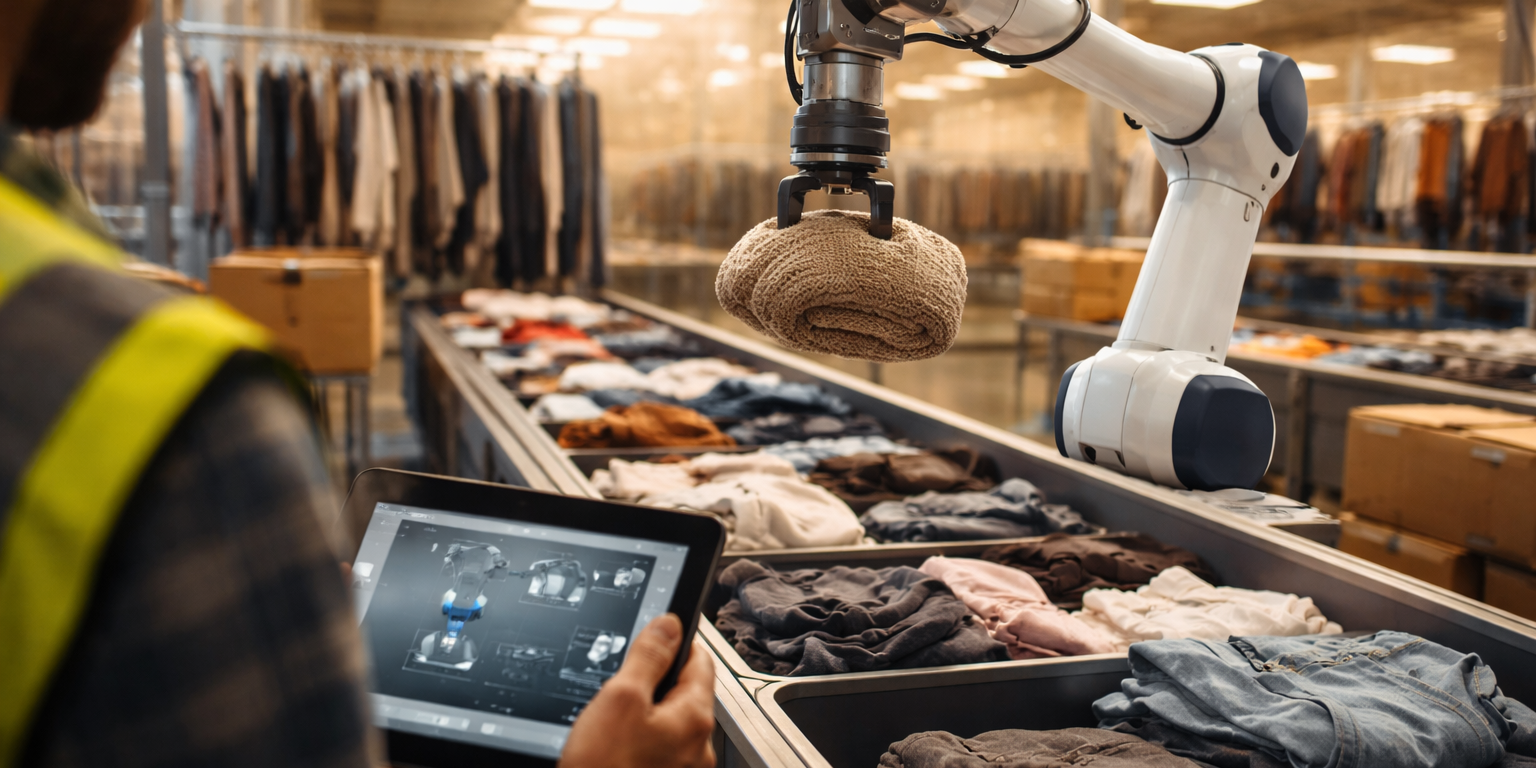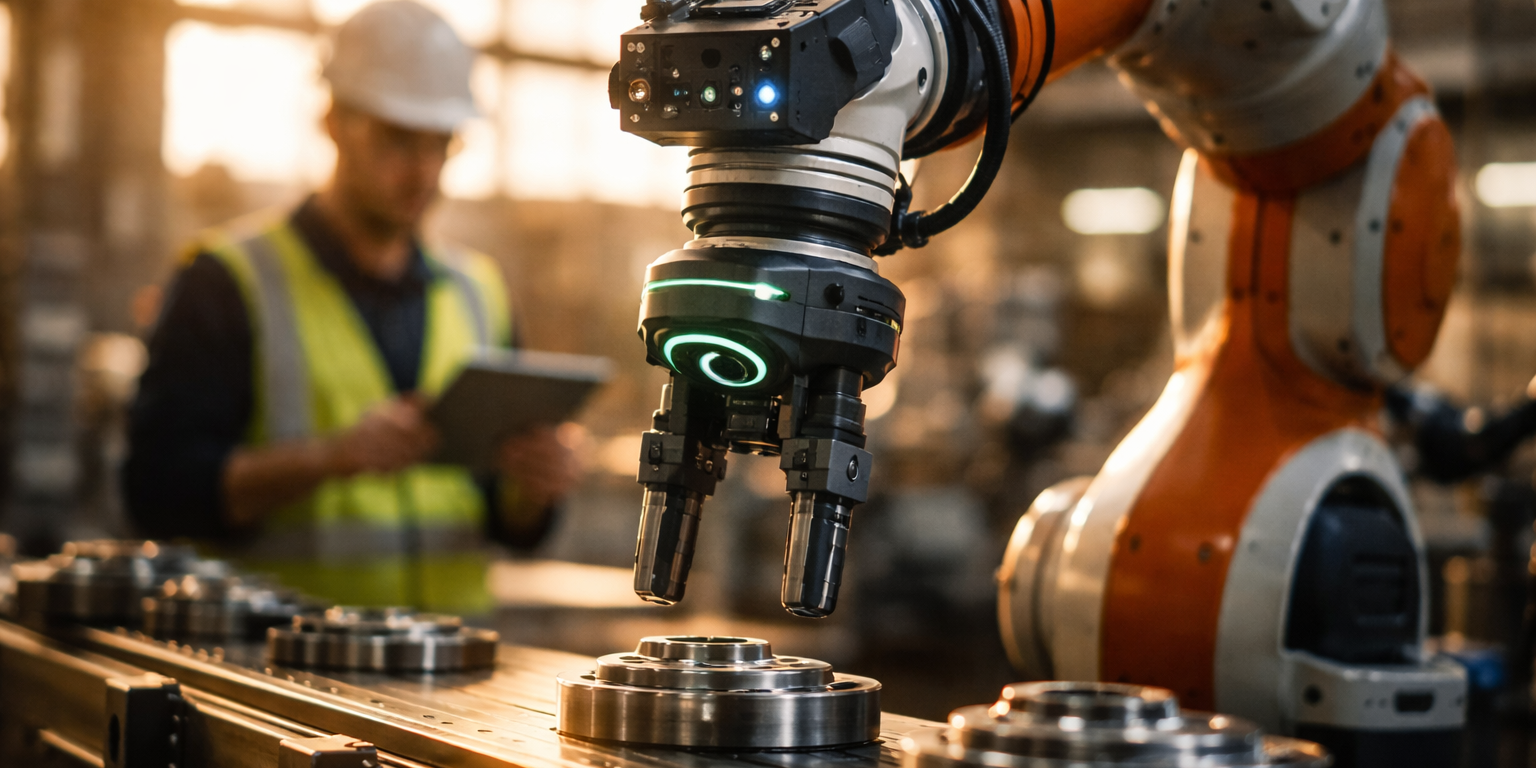
The most telling number in the physical AI conversation is not a parameter count. It is latency. A robot arm that has to ship a camera frame to a cloud data center, wait for a model to respond and then act on the answer is, in factory terms, already too slow. That constraint is pushing inference onto the machine itself, and it explains why edge computing now sits alongside computer vision and robotics as a core pillar of the physical AI pitch. A recent Times of India report framed the shift plainly: artificial intelligence is leaving the screen and entering factories, hospitals and other real-world settings, where it has to see, interpret and respond.
The idea is not new, but the economics are. For decades, industrial automation meant fixed cells: a robot, a fixture, a precisely positioned part and a program that assumed none of those things would ever move. That model delivered extraordinary throughput in high-volume automotive and electronics work, and it remains the backbone of heavy industry. Its weakness is brittleness. Change the part, shift the bin or introduce a slightly different SKU and the cell stalls until an integrator reworks the setup. Physical AI targets exactly that gap. By pairing cameras and depth sensors with models that build a working picture of the scene, systems can tolerate variation that would once have required a technician and a laptop.
The technology stack behind this is increasingly standardized, which is itself a signal. Computer vision handles detection and pose estimation. Spatial systems, including 3D mapping and scene understanding, tell a machine where objects sit relative to its own body. Robotics hardware, from collaborative arms to mobile manipulators, supplies the actuation. Edge silicon from the likes of NVIDIA, Qualcomm and a growing field of specialized vendors runs the models locally, keeping response times short and, just as important for plant managers, keeping production data on site. The pieces have existed separately for years. What has changed is how tightly they are being integrated and how cheaply they can now be deployed together.
For engineers and investors, the interesting question is where value accrues. Hardware is converging; arms and grippers from different vendors increasingly offer comparable payload, repeatability and price. The differentiator is shifting toward perception quality, the robustness of models across lighting, clutter and wear, and the tooling that lets a factory team adapt a system without a PhD on staff. That favors software-heavy entrants and platform players, and it pressures traditional automation suppliers to prove they can deliver learned behavior rather than just precision motion. It also raises a harder problem that demos rarely show: validation. A vision model that works 99 percent of the time is a triumph in a lab and a liability on a line running three shifts, so safety certification and failure-mode analysis are becoming competitive weapons, not afterthoughts.
The broader implication is that physical AI is less a product category than a change in how automation projects get scoped. Instead of designing a cell around a single task, buyers are beginning to ask for systems that can be redeployed as demand shifts, a priority sharpened by volatile supply chains and tight labor markets in manufacturing hubs from the American Midwest to western India. Healthcare and logistics are running parallel pilots, which matters because the same perception and edge-inference stack can transfer across sectors. Vendors that prove reliability in one domain gain credibility in the next. The ones that cannot demonstrate uptime, not just capability, will find that factory buyers have long memories.
What to Watch
Track how NVIDIA's Jetson Thor-class edge platforms and competing modules from Qualcomm show up in announced industrial robot designs through the remainder of 2026, since design wins there indicate where local inference is actually landing. Watch for fourth-quarter 2026 earnings commentary from Fanuc, ABB Robotics and Yaskawa on orders tied to vision-guided and AI-enabled cells, which will show whether incumbents are converting interest into revenue. Keep an eye on safety and standards activity, particularly updates touching ISO 10218 and ISO/TS 15066 as regulators consider learned behavior in collaborative systems. Finally, follow pilot-to-production conversion rates disclosed by manufacturers in India and Southeast Asia, where Times of India coverage suggests adoption pressure is building fastest.