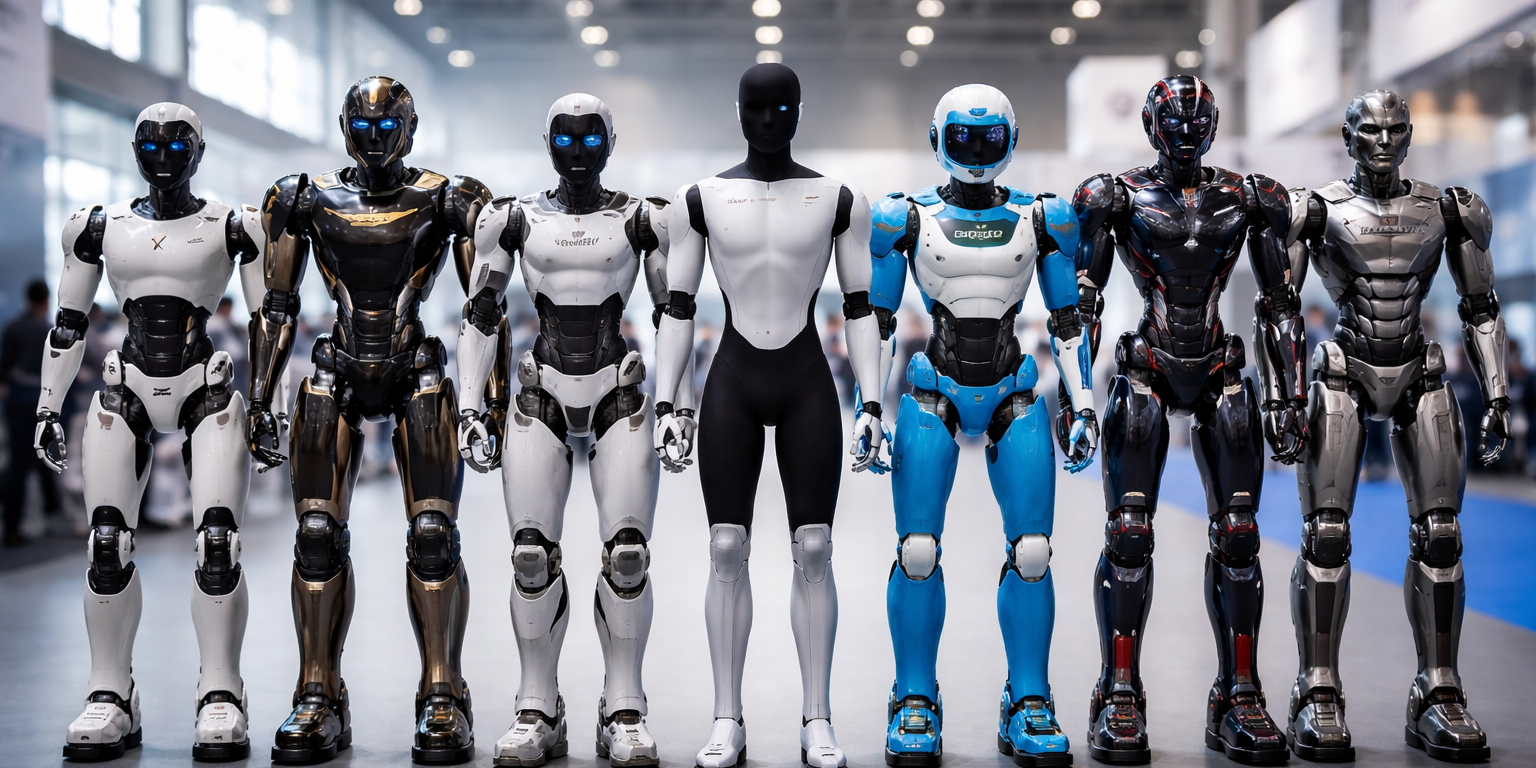
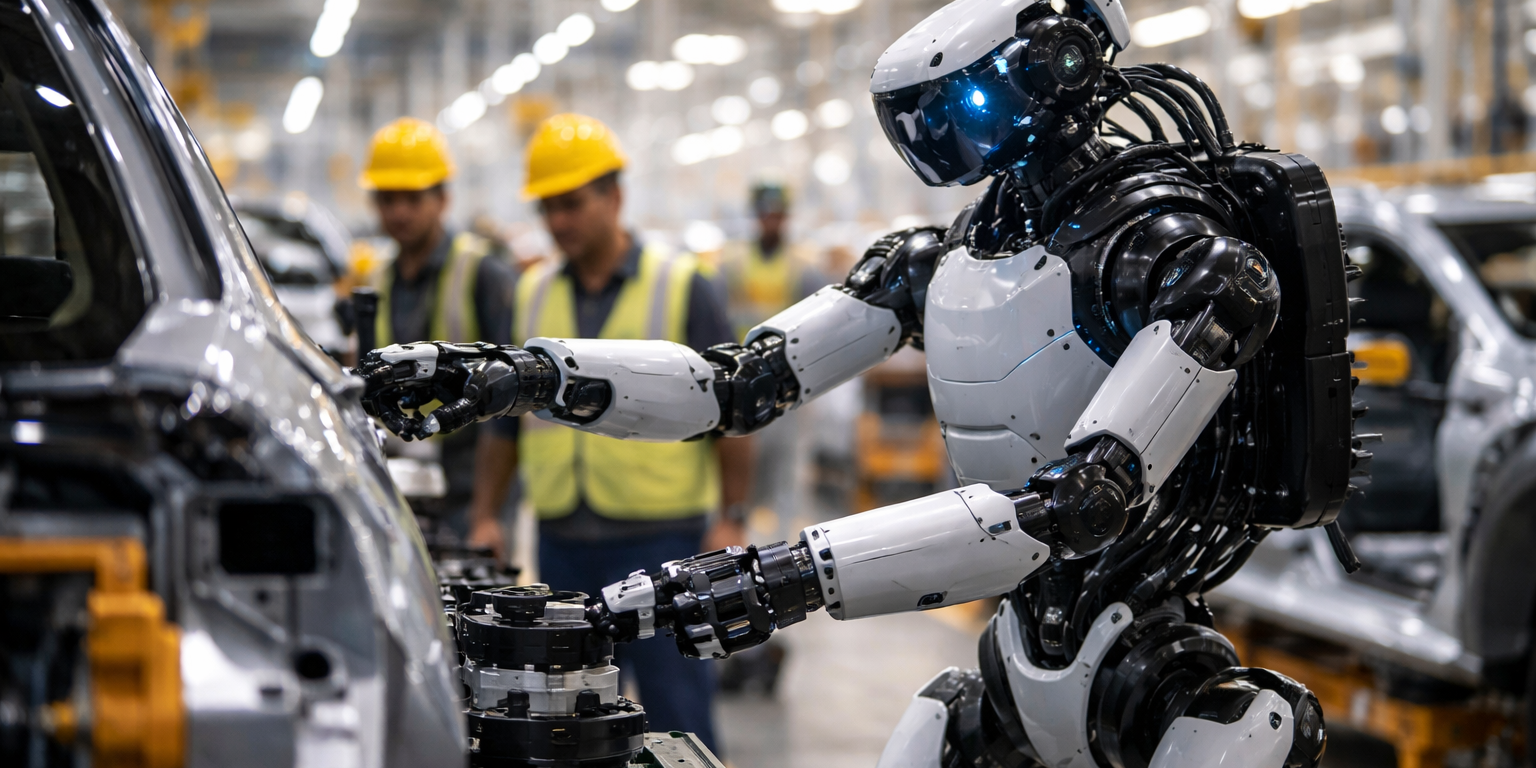
NVIDIA made available a suite of open source agent tools and physical AI skills aimed at letting developers translate complex robotics operations into tasks that AI agents can execute autonomously. The framework addresses a persistent bottleneck in robotics development: the gap between high-level instructions and the granular, multi-step processes required for robots to operate in unstructured environments. Rather than hand-coding each interaction, developers can now draw from pre-built skills that cover common manipulation, navigation, and perception tasks. The release arrives as humanoid robot makers face mounting pressure to demonstrate practical applications beyond controlled demos, and as autonomous vehicle developers struggle with the computational demands of real-time decision-making in unpredictable settings.
The tools sit within NVIDIA's broader physical AI ecosystem, which includes the Omniverse simulation platform and Isaac robotics framework. What sets this release apart is the focus on agentic behavior—systems that can interpret goals, plan sequences of actions, and adapt to obstacles without step-by-step human guidance. NVIDIA has positioned the collection as infrastructure for what it calls "embodied AI," where large language models and vision systems must interface with actuators, sensors, and physics engines. The company has spent the past two years building out simulation environments that mirror real-world physics with enough fidelity to train robots virtually before deploying them. This latest release attempts to standardize the layer between those simulations and actual hardware, providing a common vocabulary for tasks like "grasp object," "navigate to waypoint," or "inspect surface."
The timing coincides with a wave of humanoid robot announcements from companies including Figure, Agility Robotics, and Tesla, all of which have showcased units performing warehouse tasks or simple assembly operations. Yet the path from demonstration to deployment remains expensive and time-intensive, largely because each robot maker develops proprietary systems for translating objectives into motion. NVIDIA's open source approach could accelerate convergence around shared standards, much as ROS did for earlier generations of mobile robots. The toolset also extends to autonomous vehicles, where the computational load of sensor fusion, path planning, and decision-making under uncertainty has pushed developers toward increasingly powerful onboard processors. NVIDIA has supplied chips to most AV companies, but software fragmentation has limited the reusability of code across platforms. By open-sourcing these agent tools, NVIDIA positions itself as the provider of not just silicon but also the runtime environment that sits on top of it.
Industrial digital twin applications represent another target. Manufacturing facilities increasingly rely on virtual replicas to test process changes, train operators, and optimize layouts before touching physical equipment. Integrating AI agents into these twins allows for automated testing of robotic cells, predictive maintenance workflows, and material handling strategies. Companies like Siemens and Rockwell Automation have built proprietary digital twin platforms, but interoperability remains limited. NVIDIA's tools could provide a bridge, letting agents trained in one environment transfer skills to another. The company has not disclosed which specific tasks the open source skills cover, nor how many pre-built modules it has released. What matters to developers is whether the skills generalize across different robot morphologies and whether the framework supports fine-tuning for domain-specific tasks. Early adoption will likely come from research labs and startups with less legacy code to migrate, rather than established OEMs with deeply integrated proprietary stacks.
The broader implication is that NVIDIA is making a calculated bet on a future where robotics development resembles software development—modular, reusable, and built on shared infrastructure. Open sourcing the tools lowers barriers for smaller players while expanding the addressable market for NVIDIA's hardware. If the framework gains traction, it could shift competitive dynamics in robotics away from vertical integration and toward specialization, with companies competing on application-layer innovation rather than low-level control algorithms. The success of this approach hinges on whether the open source community contributes improvements and extensions, or whether the tools remain a one-way release from NVIDIA. Unlike ROS, which was incubated at Willow Garage and later grew through academic and commercial contributions, NVIDIA's tools emerge from a single vendor with a vested interest in hardware sales. That may limit trust among companies wary of lock-in, even as the open source license technically permits forking and independent development.
What to Watch: Track adoption metrics for NVIDIA's toolset among humanoid developers and AV companies over the next quarter, particularly whether Figure or Agility Robotics integrates any of the released skills into public-facing deployments. Monitor whether competing chip vendors like AMD or Intel release analogous frameworks, which would signal a broader industry shift toward standardized agent tooling. Watch for announcements from industrial automation giants regarding digital twin integration with NVIDIA's open source stack, especially from Siemens or Fanuc.