The most consequential thing about Nvidia's decision to extend Halos into robotics is not the technology. It is the precedent. Halos began life as the company's full-stack safety system for autonomous vehicles, a bundle of hardware, software, and evaluation methods meant to show that a self-driving stack behaves predictably when something goes wrong. Applying the same architecture to robots that share floors, hallways, and homes with people turns a product feature into something closer to a standard. Nvidia is betting that the industry would rather adopt a common safety vocabulary than invent forty incompatible ones. For a sector where no single certification regime yet governs learned, general-purpose behavior, that bet looks well timed.
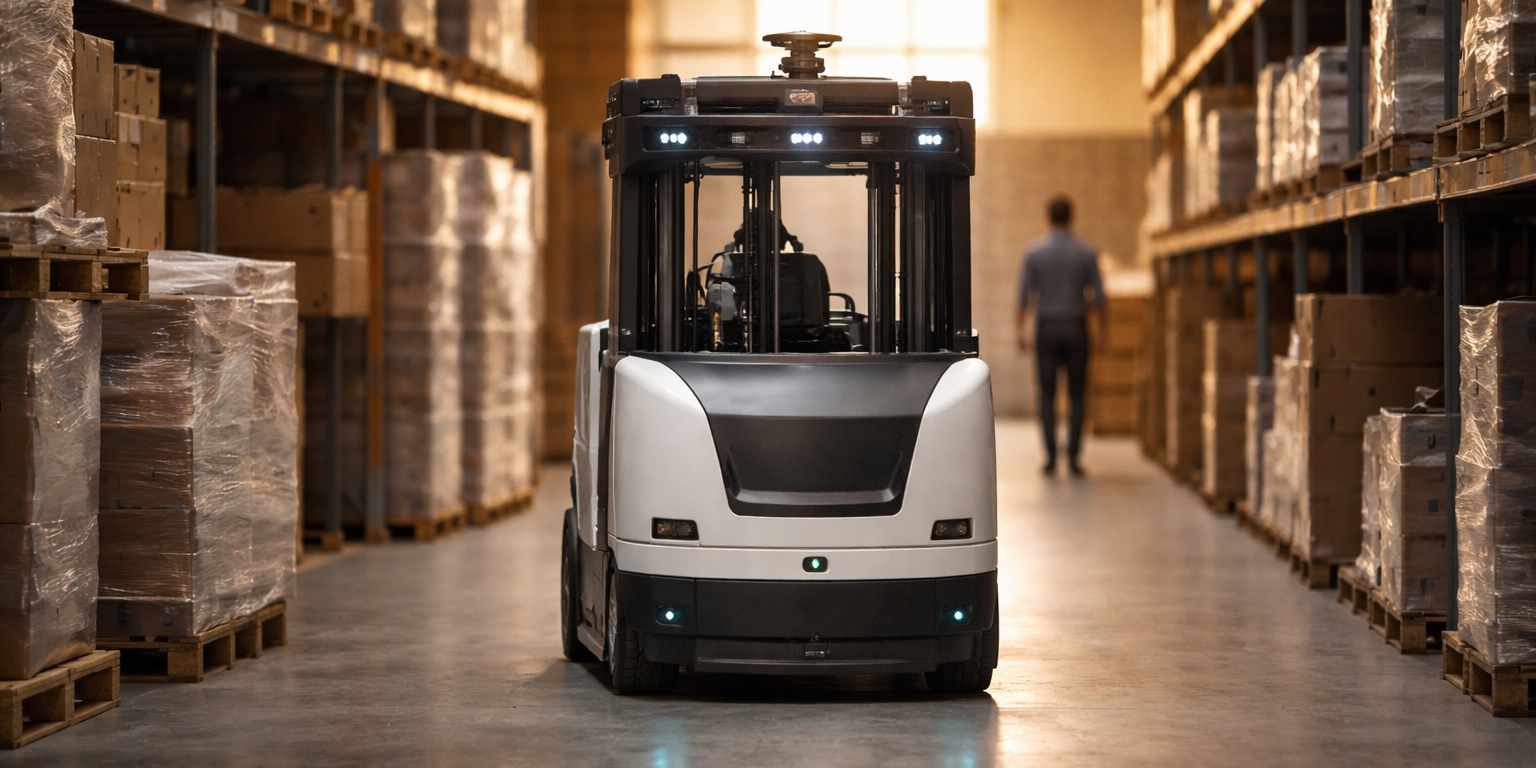
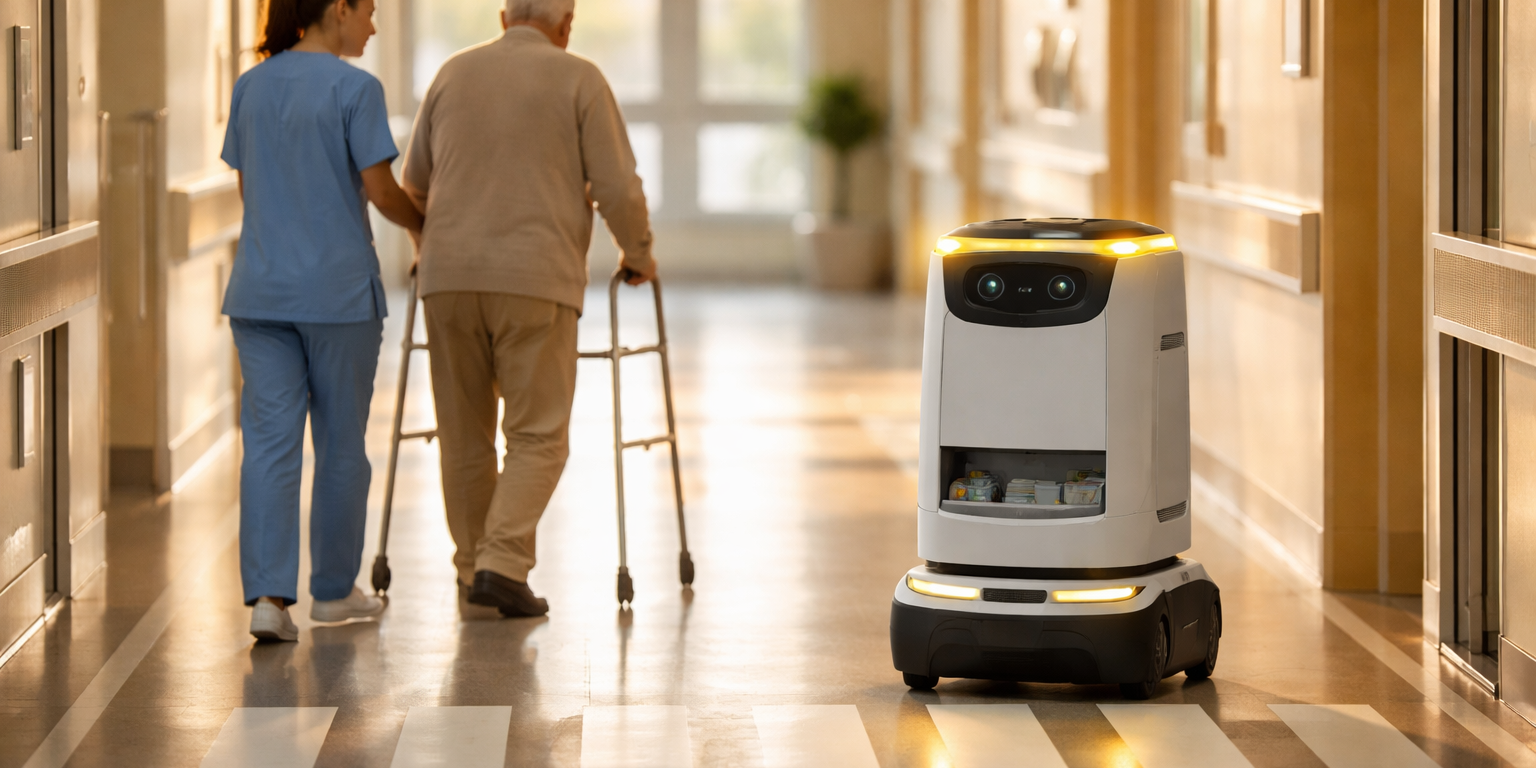
The timing is not accidental. Through 2025 and into 2026, the industry's center of gravity has moved from laboratory demonstrations to pilot programs with real liability attached. Humanoid makers are placing units in logistics facilities and automotive plants, and mobile manipulators are working alongside hospital staff. Every one of those deployments raises the same uncomfortable question: who certifies that a neural-network-driven controller will not injure someone in a situation its training data never covered? Traditional machinery standards were written for deterministic systems with fixed safety zones. A robot that improvises is a different regulatory animal, and standards bodies have been slow to catch up.
Nvidia's approach leans on its existing position in the stack. The company already supplies the compute modules, simulation tools, and foundation-model infrastructure that many robot builders use, which gives Halos a distribution advantage no startup framework could match. Safety evidence tends to be strongest when it is generated at the same layer where decisions are made, and Nvidia controls much of that layer. Its simulation environments can stress-test a policy against thousands of edge cases before a robot touches a physical floor, and the same tooling can log the results in a form auditors can read. That combination of runtime monitoring, simulation-based validation, and documentation is what makes the framework attractive to buyers who must answer to insurers.
The competitive implications are sharper than the announcement's measured tone suggests. A safety framework tied to one vendor's silicon creates gravity: the more a manufacturer relies on Halos-aligned tooling to satisfy customers and regulators, the costlier it becomes to move to a rival platform. Qualcomm, Intel, and a growing field of in-house chip efforts at humanoid makers will have to answer with their own assurance stories or argue for vendor-neutral alternatives. Meanwhile, engineers should read the expansion as a signal about where liability is heading. Customers deploying robots near workers are increasingly asking suppliers for evidence of safe behavior, not just performance metrics, and a recognized framework shortens those procurement conversations considerably. The open question is whether regulators will treat Halos as a starting point or an industry-authored shortcut, and the answer will shape how much of the safety burden Nvidia ends up carrying alongside its customers.
What to Watch
Track which robot manufacturers publicly commit to Halos-aligned validation over the next 30 to 90 days; named adopters among humanoid and mobile-manipulator makers will show whether this becomes a norm or stays a marketing layer. Watch for any reference to the framework from standards bodies such as ISO and from European regulators working under the EU Machinery Regulation, since formal recognition would change its weight overnight. Keep an eye on Nvidia's next developer events and GTC announcements for concrete tooling, benchmarks, or third-party audit partners attached to Halos. Finally, follow insurer and warehouse-operator language in procurement filings and pilot announcements, because the first contract that cites Halos compliance by name will be the clearest sign the framework has moved from slide deck to requirement.