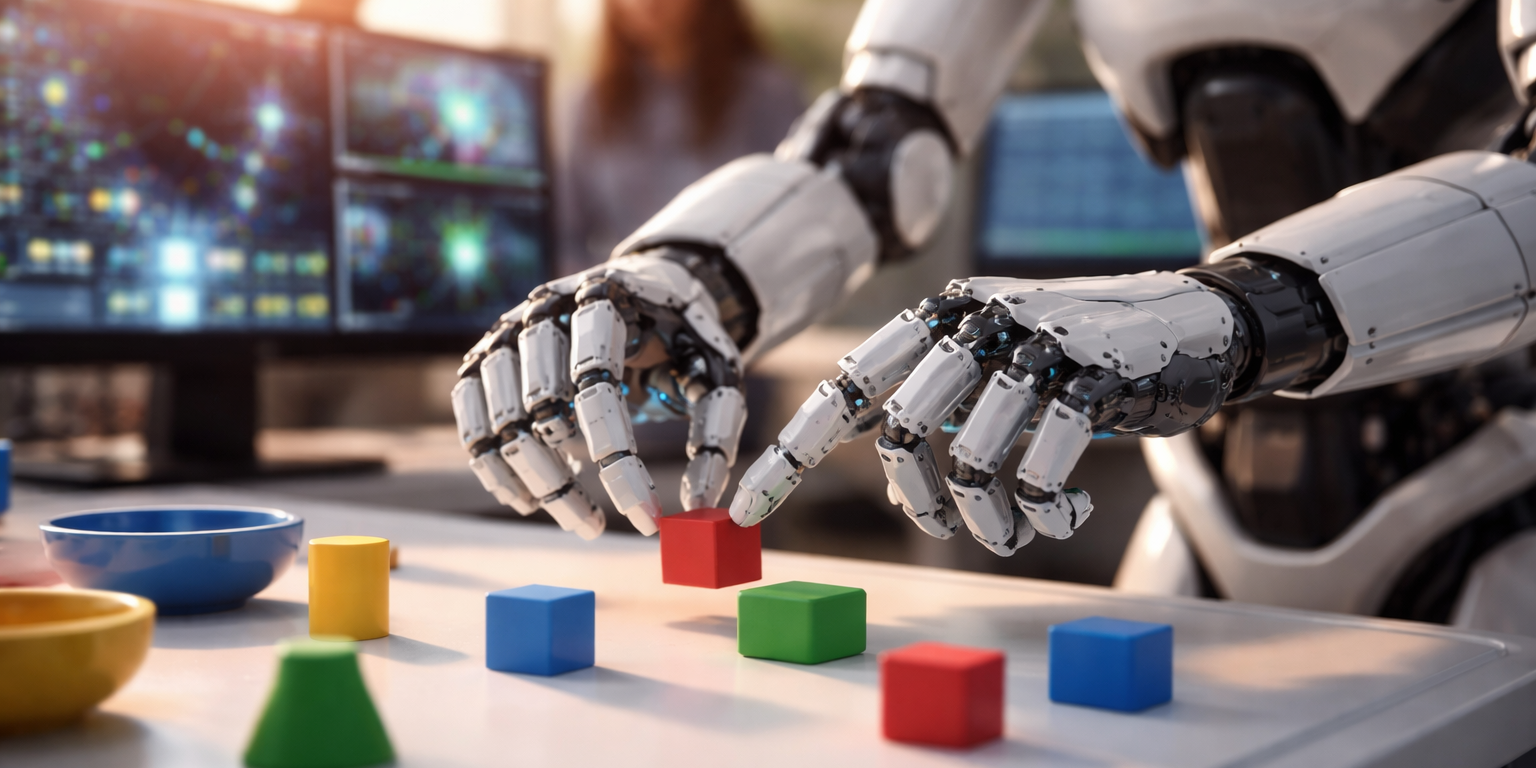
A robotics engineer who led NASA's robotics division has publicly faulted the design priorities driving American humanoid development, claiming domestic companies chase performance specifications at the expense of adaptability. The criticism surfaced in an interview with Yahoo Entertainment, though the source spoke on condition of anonymity. The engineer's central complaint: U.S.-based firms have produced robots that impress in demonstrations—backflips, factory floor routines, controlled manipulation tasks—yet falter when confronted with the messy unpredictability of commercial environments outside research facilities. Boston Dynamics, Figure, and Tesla all operate humanoid programs aimed at manufacturing and logistics, sectors that demand reliability across thousands of operational hours rather than headline-grabbing athletic stunts.
The tension between demonstration appeal and practical deployment runs deeper than mere marketing strategy. Robots engineered for controlled settings rely on assumptions about lighting consistency, surface predictability, and task repeatability that rarely hold outside factory walls. A humanoid trained to navigate warehouse aisles with polished concrete floors and standardized shelf heights faces entirely different challenges in a residential home with carpets, pets, varying furniture layouts, and dynamic human occupants. The former NASA engineer argues this design divergence represents more than technical nuance—it constitutes a strategic miscalculation that could determine which platforms achieve commercial traction. Perception systems, reinforcement learning frameworks, and generalized manipulation capabilities enable robots to handle variability, yet these software investments often receive less attention than locomotion speed or payload metrics that translate more directly into demonstration videos.
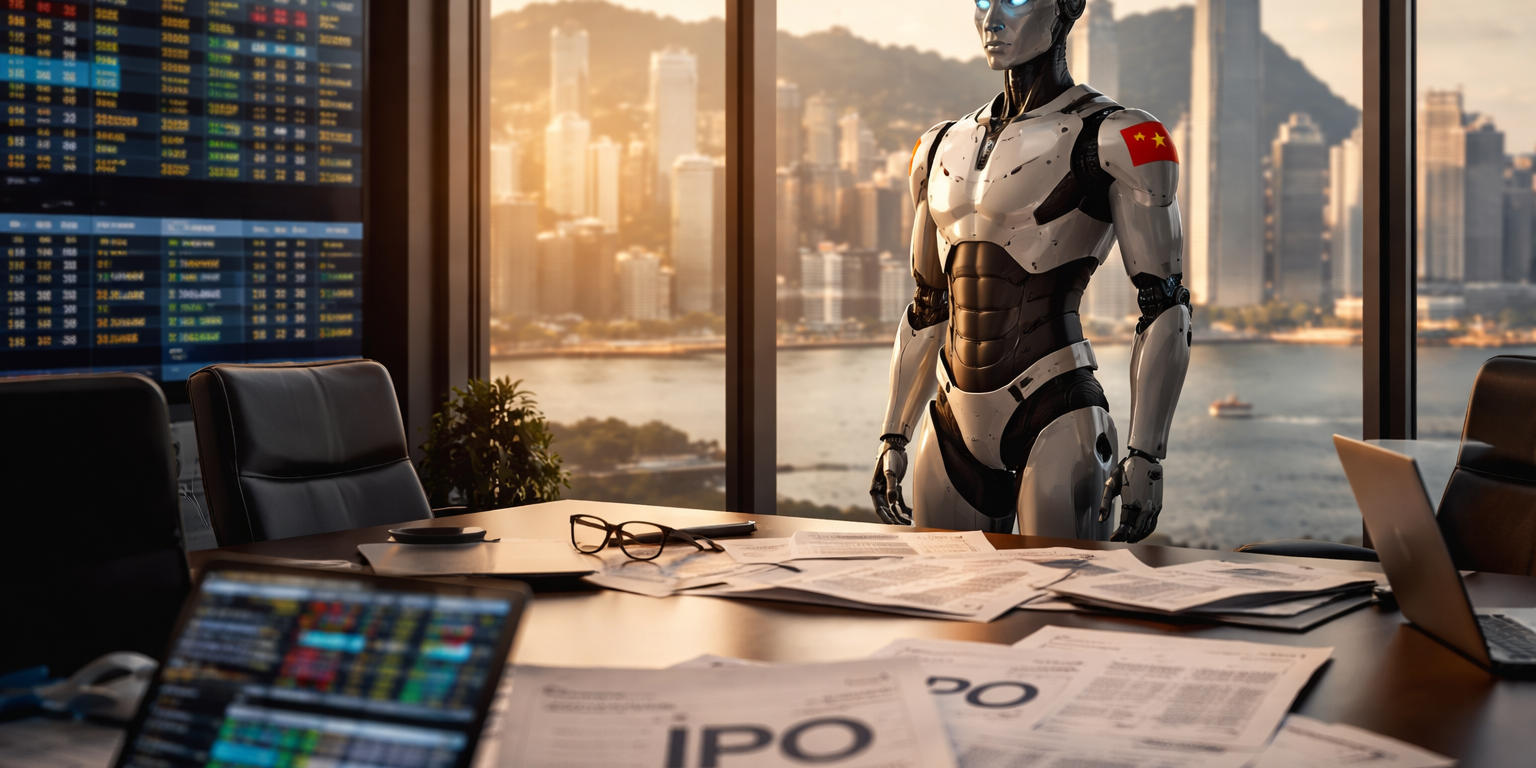
The unnamed source drew particular contrast with Chinese robotics development, which reportedly emphasizes resilience and environmental adaptability over raw performance benchmarks. While American companies dominate English-language robotics media with viral demonstration footage, Chinese manufacturers have concentrated resources on software architectures allowing operation in minimally structured environments with reduced human oversight. This philosophical split mirrors broader patterns in technology development between the two nations, where U.S. firms frequently optimize for venture capital narratives and market excitement while Chinese counterparts focus on manufacturing scale and deployment infrastructure. Several Chinese robotics companies have announced partnerships with electronics manufacturers and logistics operators that prioritize operational reliability metrics over the athletic capabilities showcased in American press events. The difference matters as the industry transitions from pilot programs—where controlled conditions and engineering support remain available—toward commercial-scale deployments where robots must function autonomously across diverse, unpredictable scenarios.
The criticism arrives as investment capital floods into humanoid robotics, with several U.S. companies raising nine-figure funding rounds over the past eighteen months. Figure AI closed $675 million in Series B funding in February 2024, with backing from Jeff Bezos, Nvidia, and Microsoft. Tesla continues developing its Optimus platform, which Elon Musk has claimed could eventually constitute the majority of Tesla's value despite current limitations in autonomous capability. Boston Dynamics, now owned by Hyundai Motor Group, retired its hydraulic Atlas robot in April 2024 and introduced an electric version designed for commercial applications. These platforms share impressive specifications: Atlas reportedly lifts 25-kilogram objects, while Figure's humanoid walks at 1.2 meters per second. Yet specifications reveal little about performance in environments where floor surfaces change unexpectedly, lighting varies throughout the day, or objects appear in configurations the robot hasn't encountered during training. The former NASA engineer's point centers on this gap between controlled demonstration and chaotic reality—a chasm that separates functioning prototypes from products customers will pay to deploy at scale. Companies that crack generalized adaptability may leapfrog competitors with superior athletic capabilities but limited environmental flexibility, particularly as application domains expand beyond structured manufacturing floors into construction sites, healthcare facilities, and residential spaces where standardization proves impossible.
What to Watch: Figure AI's deployment timeline with BMW's manufacturing facilities in South Carolina will test whether current humanoid platforms can sustain commercial operations beyond pilot programs. Tesla's Optimus team has indicated they will share updated capability metrics at an AI event before year-end, providing insight into whether the platform has advanced beyond teleoperation for most tasks. Chinese robotics firms including Unitree and Fourier Intelligence are expected to announce international commercial partnerships in Q1 2025, potentially validating their adaptability-first development approach.