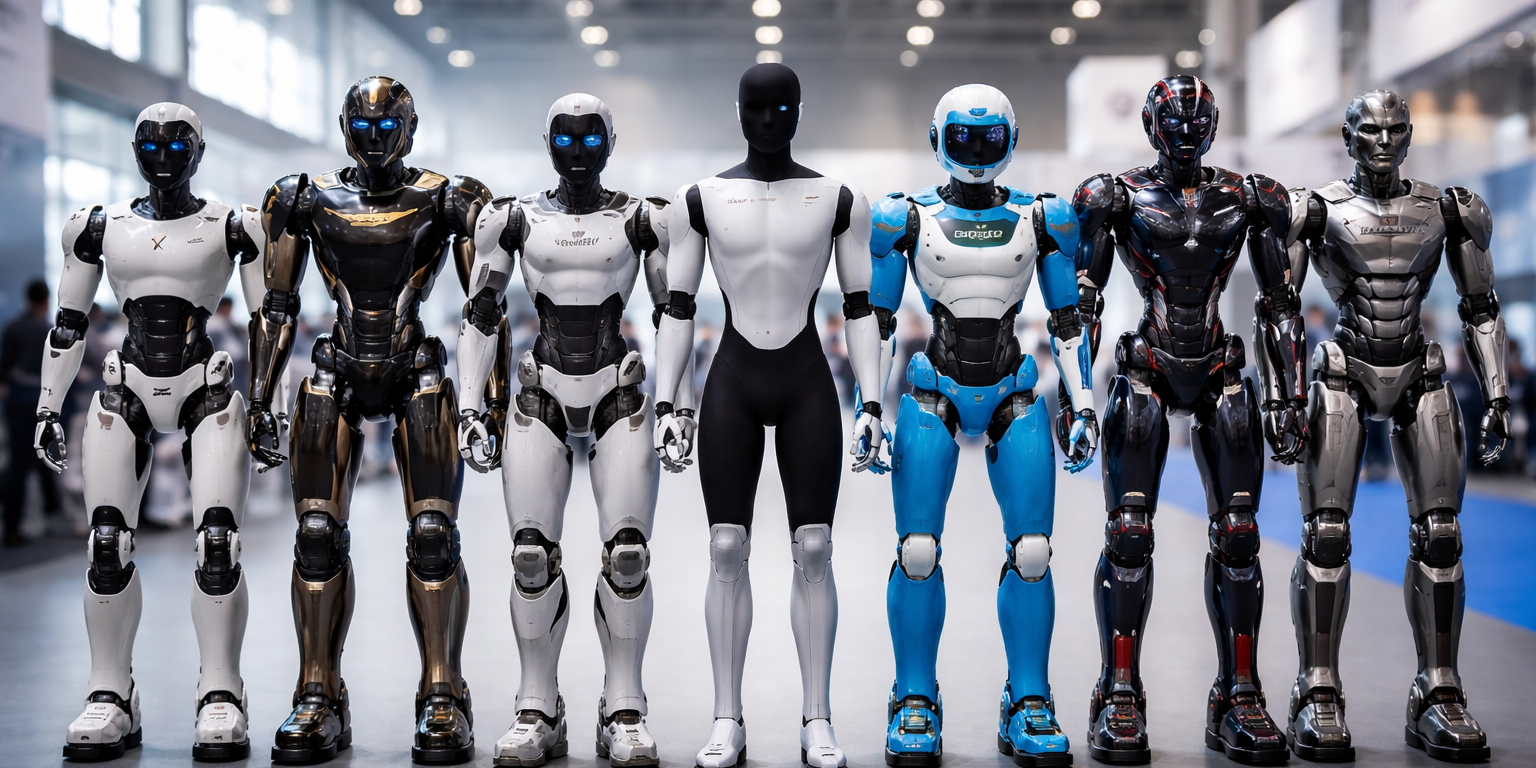

Mouser Electronics has released a technical education series examining the component-level challenges of humanoid robot design, partnering with semiconductor manufacturers Texas Instruments and Analog Devices to address questions around actuator control, power distribution, and sensor integration that design teams face when moving from prototype to production. The program, part of the distributor's Empowering Innovation Together initiative, arrives as companies from Boston Dynamics to Figure AI scale manufacturing of bipedal platforms and confront the gap between research-grade hardware and cost-effective commercial systems.
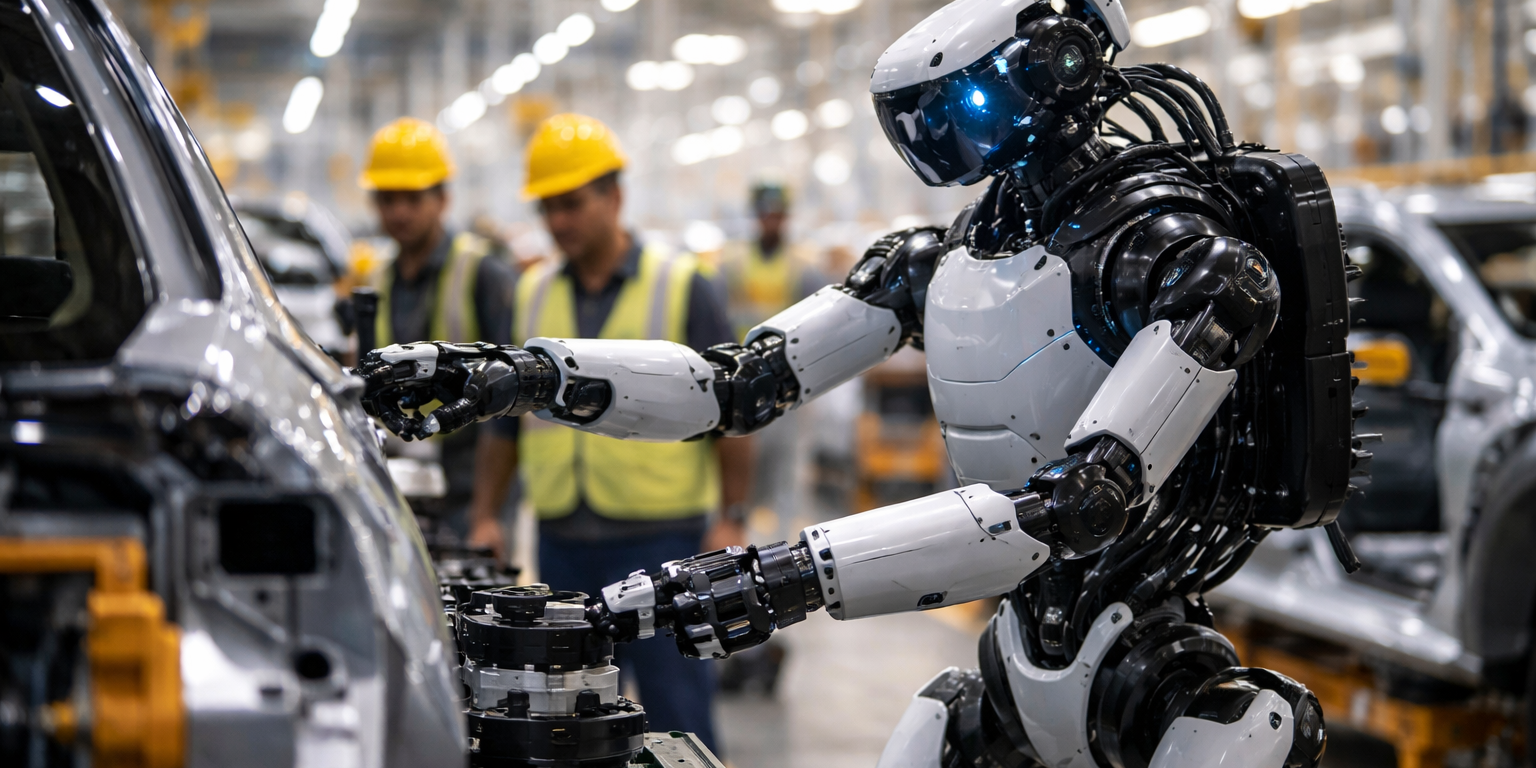
The distributor's timing reflects a practical shift in the robotics industry. Humanoid platforms have moved from university labs into factories, with Tesla deploying Optimus prototypes at its Fremont facility and Amazon testing Digit robots from Agility Robotics in logistics centers. These deployments expose design constraints that academic research often sidesteps: thermal management in enclosed torsos, power supply redundancy for safety-critical applications, and the economics of specifying components that must hit sub-$30,000 bill-of-materials targets while delivering human-equivalent dexterity. Mouser, which stocks more than 1,200 manufacturers and ships same-day to design teams globally, has seen inquiry volume for high-torque motor drivers and multi-axis inertial measurement units climb 40 percent year-over-year, according to company data. That demand signal pushed the distributor to develop content addressing not whether humanoids will achieve commercial viability, but what component choices will determine which platforms succeed.
The series breaks humanoid design into subsystems that matter to electrical engineers making purchasing decisions. Texas Instruments contributes modules on motor control architectures, comparing field-oriented control implementations for brushless DC motors in hip and knee joints against the computational overhead and latency requirements for real-time balance adjustments. Analog Devices addresses sensor fusion, specifically how to combine data from accelerometers, gyroscopes, and force-torque sensors in feet to achieve stable walking gaits without overspecifying components that add cost and complexity. Both manufacturers provide reference designs and bill-of-materials examples, giving engineers a starting point for evaluating tradeoffs between performance and budget. For smaller robotics companies designing their first humanoid, access to these validated architectures reduces the risk of costly redesigns when early prototypes fail thermal testing or can't meet power consumption targets for untethered operation.
Mouser's educational content serves a dual purpose: it positions the distributor as a technical resource for emerging robotics companies while generating demand for higher-margin components like precision analog-to-digital converters and isolated gate drivers that humanoid designs require in quantity. The company has expanded its robotics and automation category significantly since 2020, adding product lines for collaborative robots and autonomous mobile robots as those segments grew. Humanoids represent the next wave, with market research firm ABI Research projecting shipments of bipedal robots will reach 180,000 units annually by 2030, up from fewer than 2,000 today. That growth hinges on solving integration challenges the Mouser series addresses. Component selection directly impacts performance metrics that determine whether a humanoid can operate in human environments: battery life exceeding four hours per charge, joint response times under 10 milliseconds, and the ability to withstand repeated falls without component failure. Engineers who specify the wrong motor driver or undervolt a sensor array often don't discover the problem until field testing, when redesigns cost months and capital.
What to Watch: Track whether Mouser expands the series to cover artificial intelligence accelerators for on-robot processing, an area where NVIDIA and Qualcomm compete for humanoid design wins. Monitor reference design adoption rates from Texas Instruments and Analog Devices as a proxy for how many startups move from simulation to hardware builds in the next two quarters. Watch for similar educational initiatives from competitors like Digi-Key and Arrow Electronics, which would signal that component distributors see humanoids as a sustained revenue opportunity rather than speculative hype.