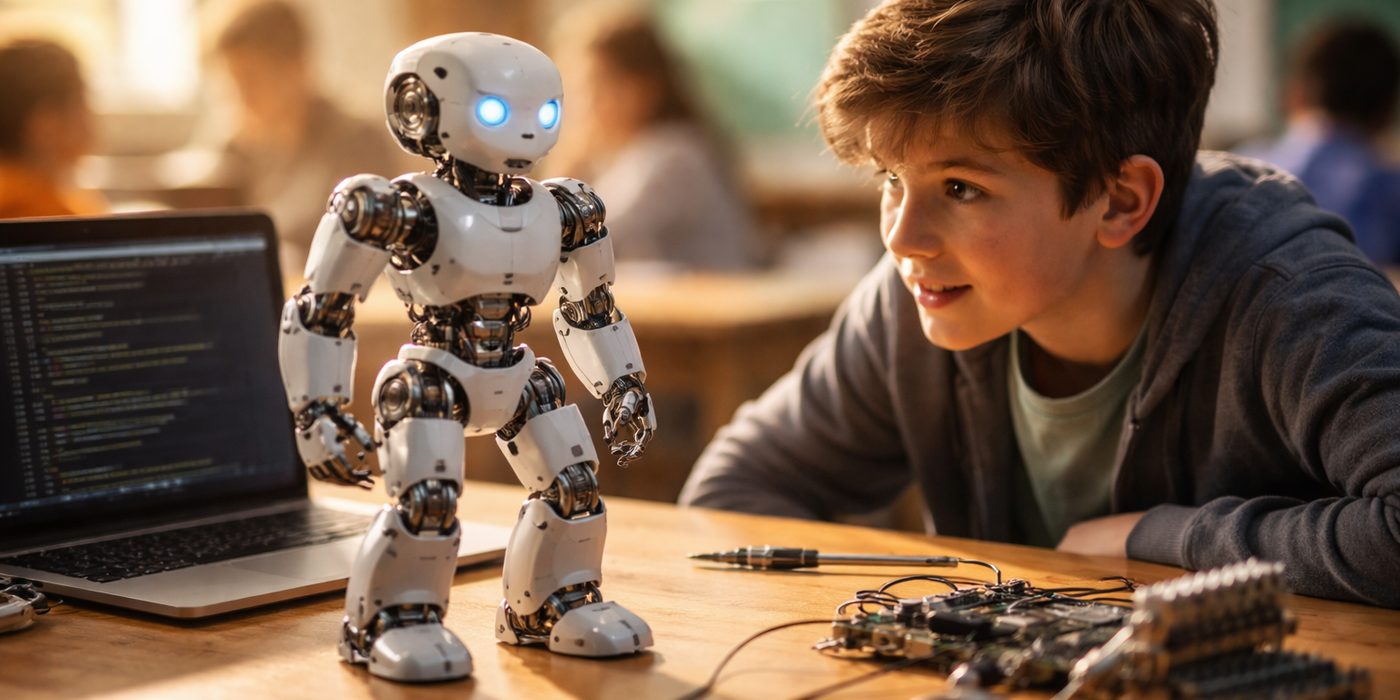
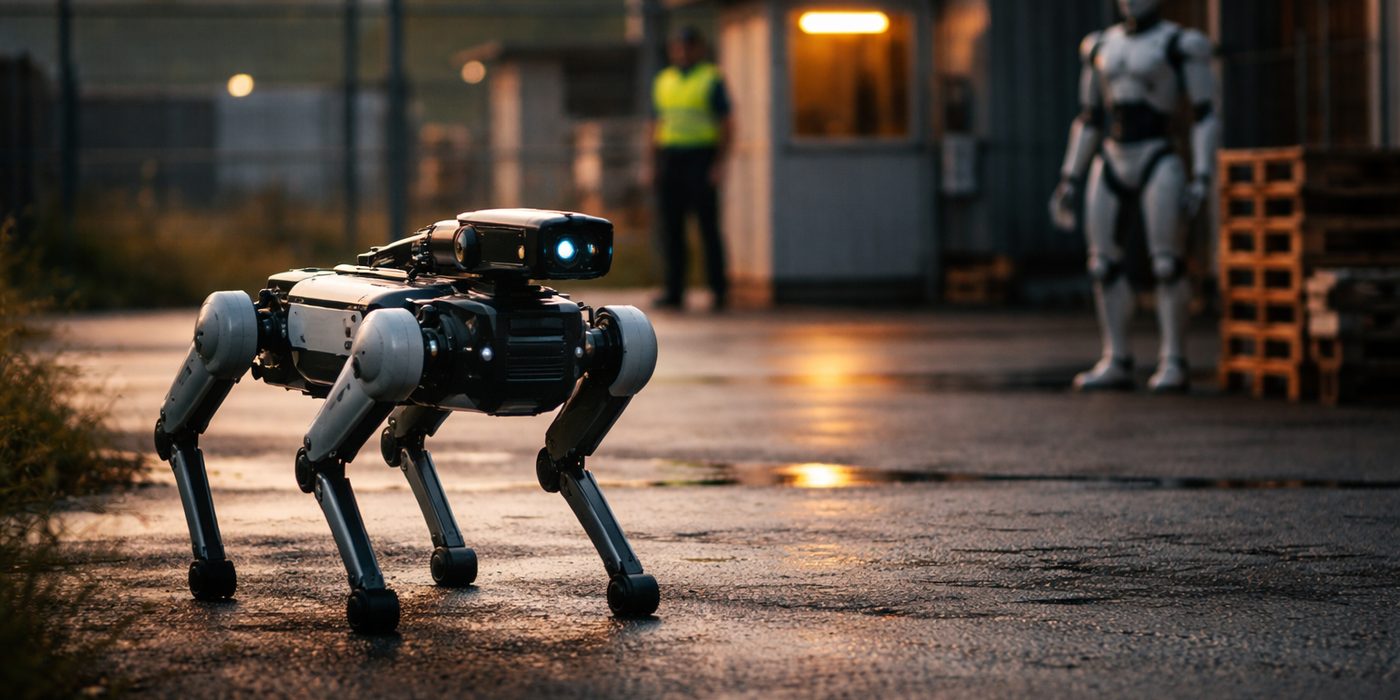
A humanoid robot built by university students is drawing crowds to one of the most distributor-heavy booths at electronica 2026 in Munich. RoboTUM, the robotics team from the Technical University of Munich, is running a live demonstration at Mouser Electronics' stand, C3/578, which the distributor shares with its Berkshire Hathaway sibling TTI. The pairing is deliberate. Mouser and TTI together carry catalogs numbering in the millions of parts, and a walking, gesturing machine is the most persuasive way to show how those parts become a system. Around the demo, the booth is running interactive quizzes, prize draws, and staffed customer support for engineers who came to talk sourcing rather than watch a show.
The choice of a student-built platform over a commercial humanoid says something about where the market sits. Unitree, Agility Robotics, and Figure AI sell or lease finished machines. Distributors, by contrast, sell what goes inside them. RoboTUM's robot is effectively a living bill of materials: servo drives, motor controllers, inertial measurement units, power management ICs, and the processing modules that stitch perception to motion. Putting it on the booth floor lets Mouser point at a joint and say which manufacturer's encoder is inside it. That is a sharper pitch than a product-category banner, and it speaks directly to design engineers who are tired of datasheet-only marketing.
Munich is a natural home for this. TUM has produced a steady stream of robotics research and startups, and the Bavarian capital hosts a cluster of automotive, industrial automation, and semiconductor firms that all show up at electronica, the biennial trade fair that anchors the electronic-components calendar. For a distributor, partnering with a local university team serves a second purpose beyond spectacle. Student groups are tomorrow's hiring pool and, increasingly, early adopters of new silicon. Engineers who prototype on a given vendor's motor driver or microcontroller in a university lab tend to specify it later in production. Distributors know this, and they court the pipeline early.
The broader signal is about where humanoid supply chains are forming. Over the past two years, actuators, harmonic reducers, high-torque-density motors, and tactile sensors have moved from niche industrial catalogs to the center of purchasing conversations. Distributors that once treated robotics as a sub-segment of industrial automation are now building dedicated content, reference designs, and engineering support around it. Mouser's booth is a bet that the component buyer of 2026 is not only a factory-automation engineer but also a humanoid developer who needs small quantities of many different parts, fast, with traceable provenance. That buying pattern favors broadline distributors over direct vendor relationships, because prototype-stage teams rarely have the volume to command attention from tier-one suppliers.
There is a caution embedded in the optimism. A trade-show demo proves that parts can be assembled into a robot that performs on a carpeted floor for a few minutes at a time. It does not prove that those parts survive thousands of duty cycles, or that the supply of specialized components will scale when humanoid programs move from dozens of units to thousands. Lead times on precision reducers and high-performance motors remain a practical bottleneck for builders, and distributors can smooth availability only so far. Still, by making the component stack visible and purchasable in one place, Mouser and TTI are lowering the friction for the early-stage teams that will determine which architectures reach production.
What to Watch
Track whether Mouser and TTI publish bill-of-materials breakdowns or reference-design content tied to the RoboTUM platform in the weeks after electronica 2026, since that would show the demo is feeding a real design-in funnel. Watch Q4 2026 earnings commentary from the major component makers supplying the humanoid stack, particularly motor-control and sensor vendors, for any explicit mention of humanoid-driven order growth. Follow RoboTUM's own announcements for hardware revisions or competition entries heading into early 2027. Finally, monitor lead-time data for harmonic reducers and high-torque servo motors through year-end, which will indicate whether distributor-led sourcing is keeping pace with prototype demand.