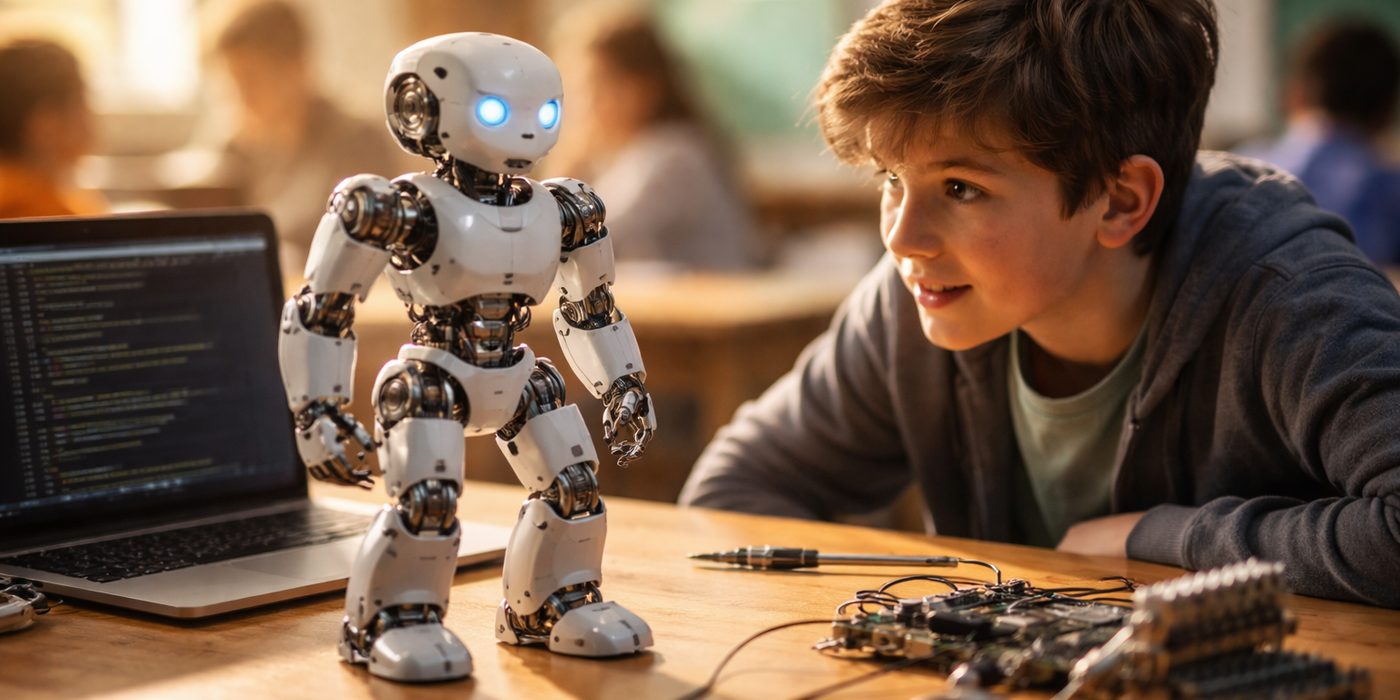

One million is the number that matters here, and it is not a humanoid number. UBTECH and Tianyi Telecom Terminal signed their comprehensive strategic cooperation agreement on November 9, 2026, with a headline goal of helping the household-companion robot-terminal industry exceed one million units within three years. The humanoid-specific target is far smaller: more than 100,000 ultra-bionic humanoid, wheeled humanoid and related terminals over the same window, according to the figures UBTECH published on its official WeChat account. That ten-to-one ratio tells the real story. The volume play is in companion devices, with humanoids positioned as the premium tier on top.
Tianyi is the piece of this deal that deserves scrutiny. A wholly owned subsidiary of China Telecom Group, it runs terminal operations for one of the country's three state-owned carriers, which means it already moves consumer hardware at scale through carrier stores, bundled service plans and enterprise channels. Humanoid makers have spent years building machines and struggling to sell them. Shipments to date have gone largely to research labs, universities, exhibition halls and pilot programs, not living rooms. Distribution, financing and after-sales support are the unglamorous bottlenecks, and a telecom terminal arm is built to solve precisely those. For UBTECH, a Shenzhen-based company long associated with its Walker series of humanoids and its consumer education robots, the agreement trades some margin control for reach it could not build alone.
The structure of the targets invites careful reading. Companion robots in the Chinese market today are mostly wheeled or tabletop devices: voice-driven, screen-equipped, sold as elder-care aids, child-education tools and smart-home hubs. They are cheap enough, and mechanically simple enough, to reach seven figures in annual volume across a market of this size. Ultra-bionic humanoids and wheeled humanoids, with dexterous hands, torso articulation and onboard compute capable of running large multimodal models, sit in a completely different cost bracket. Neither company disclosed pricing, bill-of-materials figures or a per-year ramp in the announcement as reported, which leaves the 100,000-unit goal as an aspiration with no visible cost model behind it. Three years is also short. Even the most aggressive humanoid producers are still counting annual output in the low thousands to tens of thousands.
For engineers and investors outside China, the more durable signal is about go-to-market architecture. Western humanoid developers such as Figure AI, Agility Robotics and Apptronik have pursued industrial and logistics customers first, where a single buyer can absorb dozens of units and justify an integration team. The UBTECH and Tianyi model inverts that sequence, betting that a state-backed carrier can aggregate consumer and small-business demand through channels that already handle installation, billing and service. If it works, it offers a template for turning humanoids into a managed, subscription-adjacent product rather than a capital purchase. If it fails, it will fail on the old problems: unit economics, reliability in unstructured homes, and whether buyers find enough daily utility to keep the machines switched on.
What to Watch The first test is specificity. Watch for UBTECH or Tianyi to publish named products, retail pricing and a regional rollout schedule, ideally before the end of Q1 2027, since the announcement so far offers only unit targets. Track UBTECH's next earnings disclosure for humanoid order volumes and any change in how it reports consumer versus enterprise robot revenue. Look for China Telecom Group's terminal showcases and carrier-store pilot programs, which would show whether robots are being bundled into mobile and broadband plans. Finally, compare progress against domestic rivals including Unitree and AgiBot, whose shipment figures will show whether a carrier channel meaningfully outpaces direct and distributor sales.