Fifty thousand procedures is a number that changes how a surgical robot gets discussed. Medtronic's Hugo system is on track to cross that cumulative threshold worldwide by the end of the company's fiscal year, which closes in April 2027, according to figures reported by The Robot Report. For context, it took Intuitive Surgical years of compounding adoption to move da Vinci from early-adopter curiosity to default standard of care. Hugo is compressing part of that curve. The number matters less as a trophy than as evidence of utilization: a robot that sits idle in a hospital's capital inventory is a liability, while one logging procedures steadily is a revenue engine for the health system and a data engine for its maker.
Hugo's path to this point was anything but linear. Medtronic unveiled the platform in 2021 and secured CE marking in Europe in 2021, then spent years building clinical evidence while competitors expanded. The U.S. was the harder gate. The FDA granted clearance for urologic procedures in December 2025, opening the world's largest soft-tissue surgery market and giving Medtronic the regulatory foothold it had lacked for the better part of five years. Since then, the company has been working to broaden the indication set, with gynecologic and general surgery applications the logical next steps for a system designed to span multiple specialties. Each added indication widens the pool of procedures a single installed system can absorb, which is the lever that drives per-robot utilization.
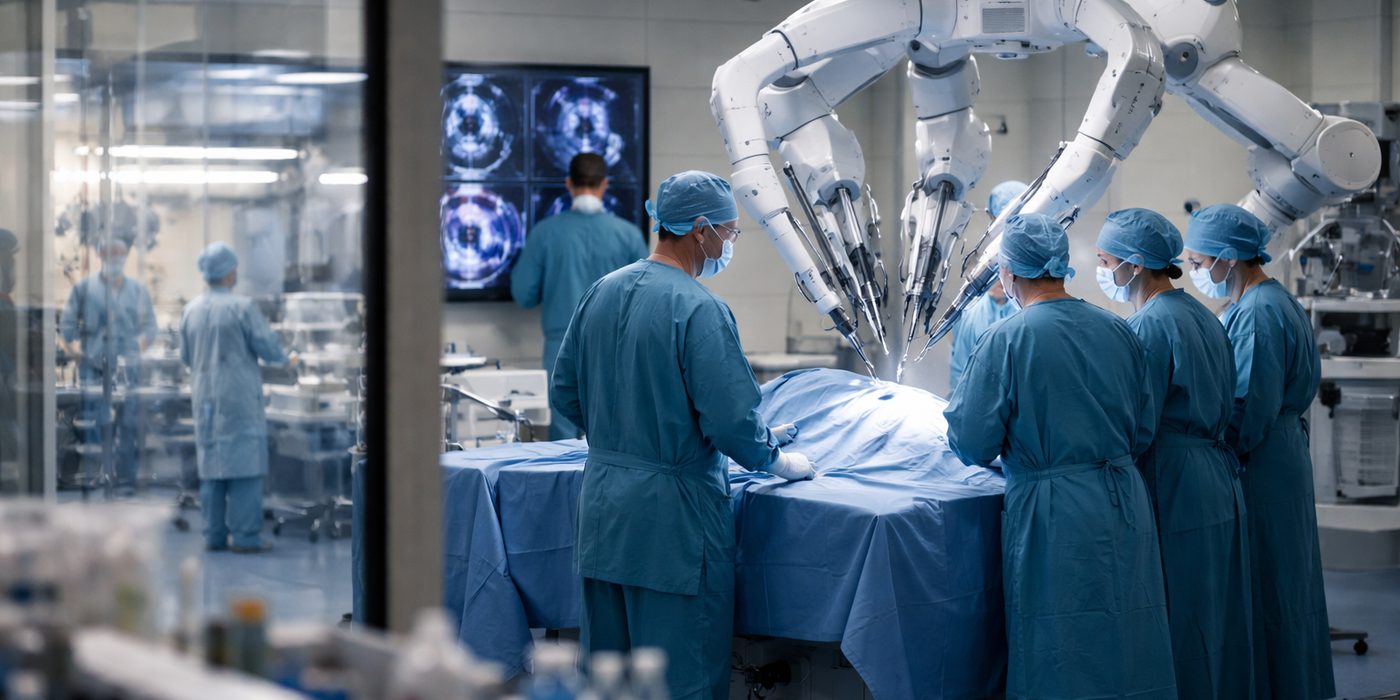
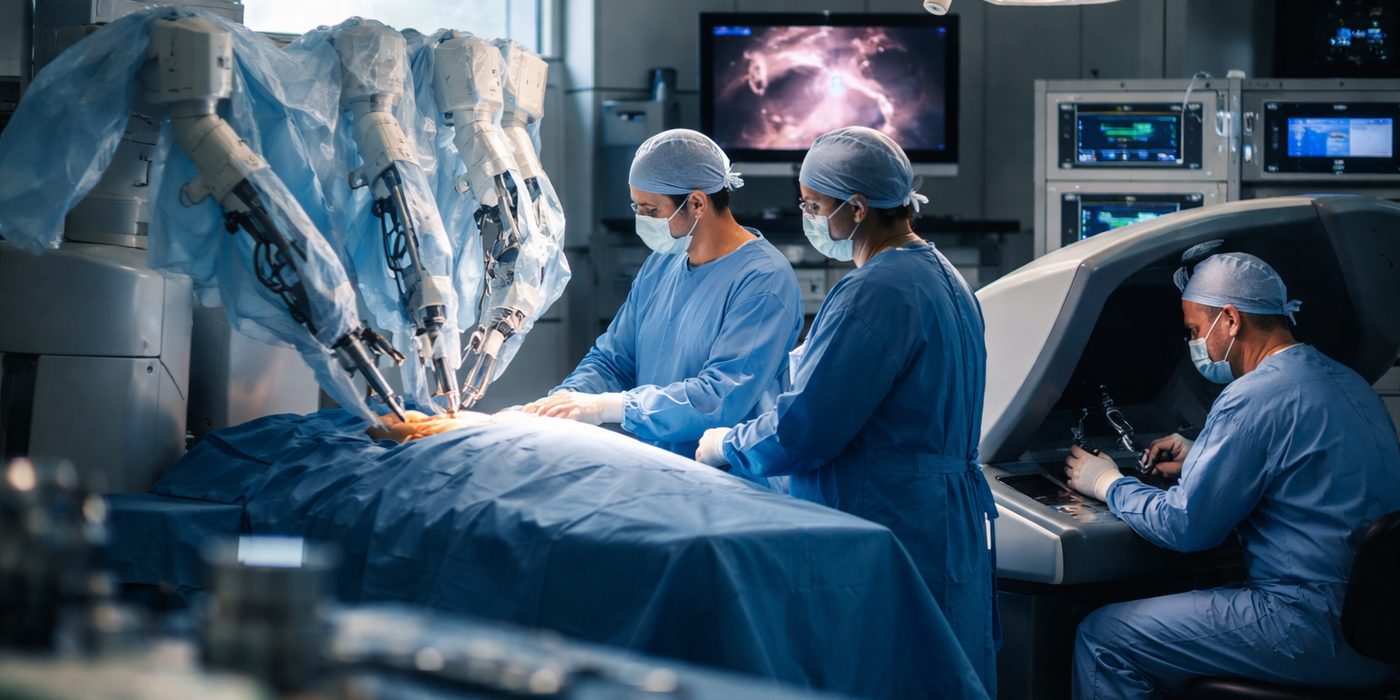
The engineering choices behind Hugo help explain both its appeal and its challenge. Where da Vinci centralizes its arms on a single patient-side cart, Hugo uses independent, wheeled arm carts that can be positioned around the operating table, paired with an open surgeon console featuring a 3D display. Proponents argue the modularity fits a wider range of operating-room layouts and lets hospitals configure the system around the case rather than the reverse. Critics counter that independent carts add setup complexity and registration demands that a unified architecture avoids. Medtronic has also leaned into software, pairing the hardware with its Touch Surgery ecosystem for video capture and analytics, a bet that surgical data will become a durable differentiator as robotic platforms converge on similar mechanical capability.
For the broader industry, Hugo's trajectory is a test case in whether the soft-tissue robotics market can support a credible second incumbent. Intuitive's installed base numbers in the thousands of systems, and its razor-and-blade model of instruments and accessories generates the recurring revenue that analysts prize. Medtronic's advantage is distribution: a global sales force with existing relationships in the same operating rooms, plus the balance sheet to subsidize aggressive placement and financing. Others are circling, including Johnson & Johnson's Ottava platform and CMR Surgical's Versius, which means hospital buyers now hold genuine negotiating leverage for the first time in two decades. That pressure should flow downstream into pricing, service contracts, and instrument costs, and robotics suppliers of actuators, force sensors, and vision modules stand to benefit from multi-vendor demand.
The harder question is clinical and economic proof at scale. Fifty thousand cases generate a meaningful dataset, but the market will want peer-reviewed comparisons on operative time, conversion rates, complication profiles, and learning-curve length against the incumbent. Hospital administrators, meanwhile, are weighing total cost of ownership rather than sticker price, including the cost of instrument reprocessing and the training burden on surgical teams already fluent in a competing interface. Medtronic's ability to demonstrate that Hugo shortens onboarding and keeps procedure times competitive will shape whether placements convert into sustained utilization. If it does, the company gains something rarer than unit sales: a self-reinforcing loop of clinical data, software refinement, and surgeon familiarity that raises switching costs in its own favor.
What to Watch
Track Medtronic's fiscal third-quarter earnings call, expected in February 2027, for updated Hugo procedure counts, U.S. installed-base figures, and any commentary on utilization per system. Watch the FDA docket for additional Hugo indication clearances in gynecologic and general surgery, which would materially expand the addressable case volume. Keep an eye on Johnson & Johnson's Ottava rollout timeline and CMR Surgical's Versius U.S. progress, since competitive placements in the next quarter will reveal how much pricing pressure hospitals can extract. Finally, look for peer-reviewed outcomes data from the growing Hugo case registry, which will determine whether surgeons treat it as a true alternative or a secondary option.