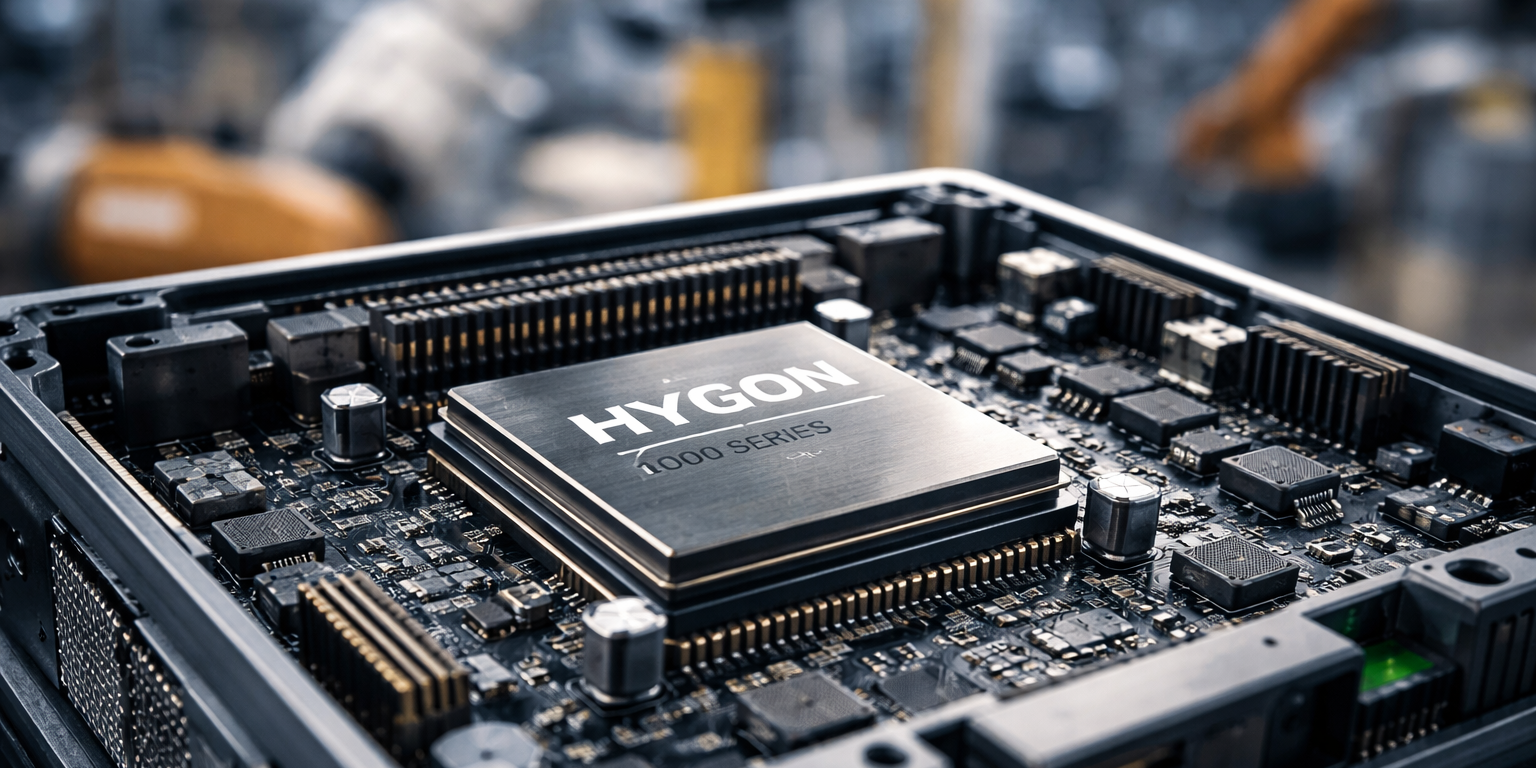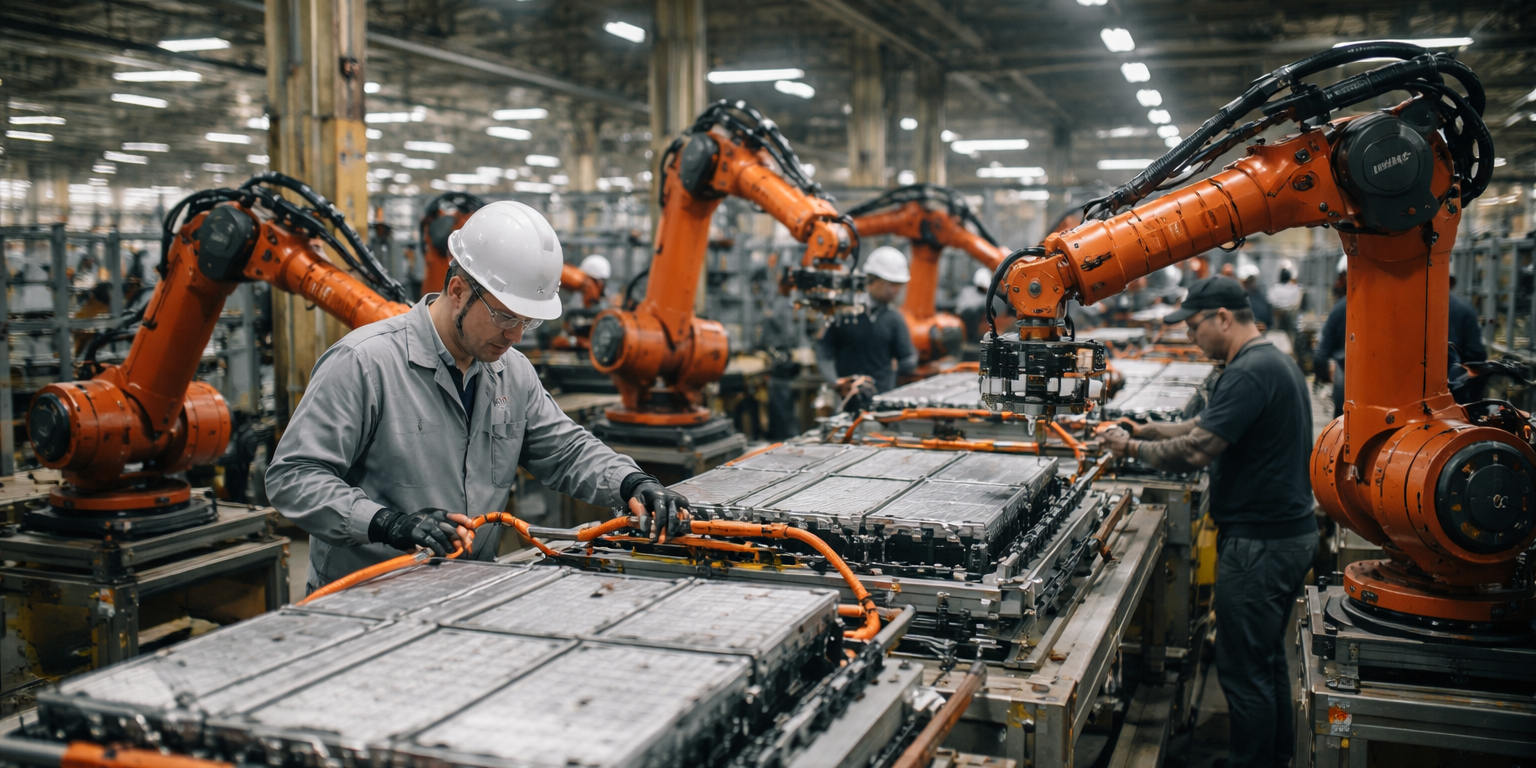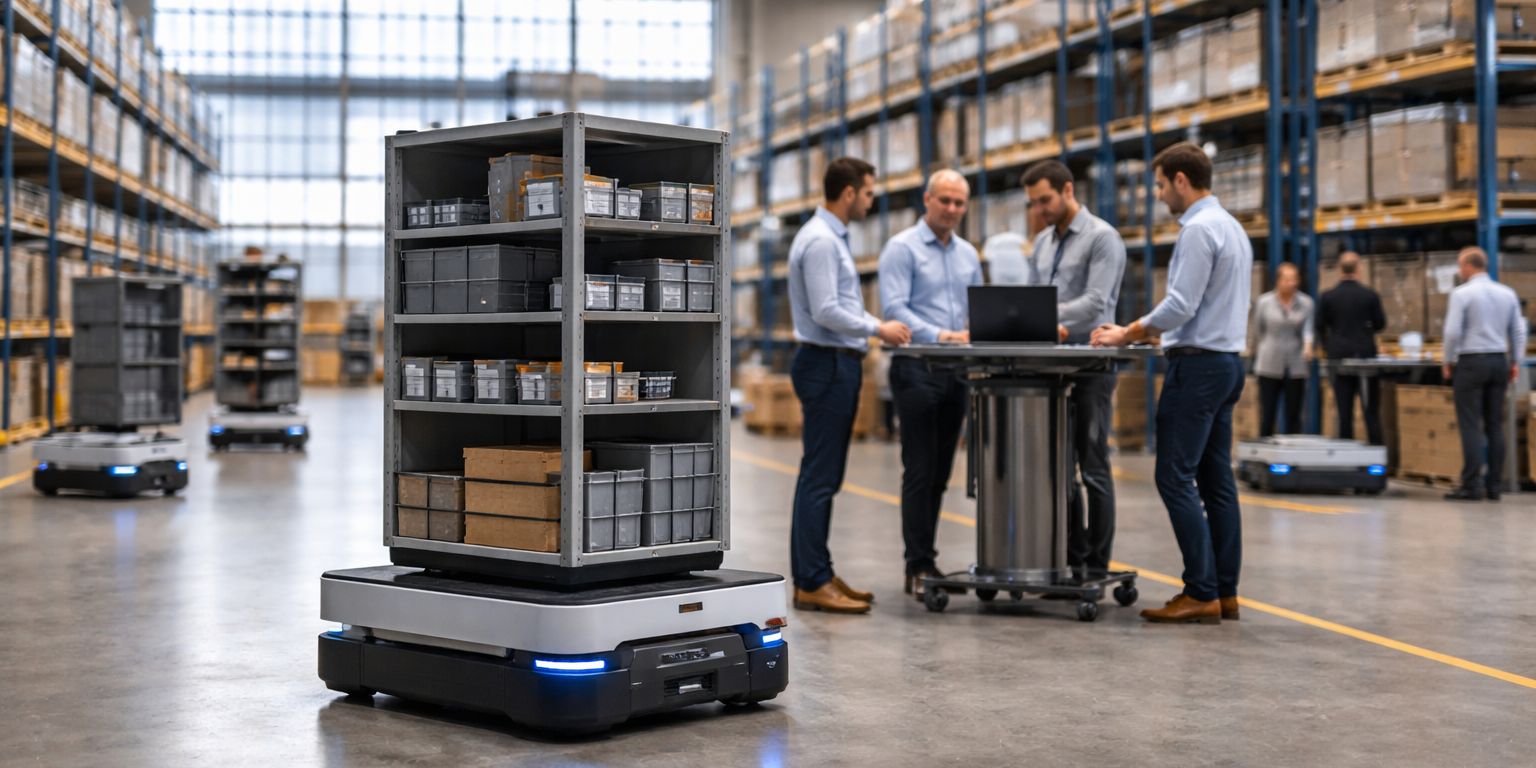

Locus Robotics closed an acquisition of Nexera Robotics in late March 2024, purchasing the Massachusetts-based mobile manipulation startup to gain control of its NeuraGrasp gripper system. Financial terms remain undisclosed, though the transaction includes Nexera's engineering team and intellectual property portfolio covering adaptive grasping algorithms and end-effector designs. Locus plans to integrate NeuraGrasp into its Array autonomous mobile robot platform, which currently operates in more than 200 fulfillment centers across retail, third-party logistics, and direct-to-consumer segments. The acquisition marks Locus's first major technology purchase since raising $150 million in Series F funding in February 2022, bringing its total capital raised above $400 million. Nexera had operated in stealth mode for two years, developing manipulation technology in collaboration with several undisclosed logistics partners who provided warehouse testing environments.
Warehouse automation faces a stubborn physics problem. Robots excel at moving standardized containers and navigating structured environments, but struggle with the actual picking—the moment a gripper must identify, approach, and secure an item. Current systems handle predictable objects in controlled presentations: boxed goods with flat surfaces, items in known orientations, products within specific weight and dimension ranges. The economics break down when SKU variety increases. A typical fulfillment center stocks 50,000 to 100,000 distinct items spanning rigid and flexible packaging, cylindrical bottles, irregular shapes, loose garments, and fragile goods. Human workers adapt instantly to this variety. Robotic systems require extensive programming, fail at edge cases, and confine automation to the 30 to 40 percent of SKUs that fit narrow parameters. NeuraGrasp claims to expand that envelope through real-time grasp planning that adjusts gripper approach and force based on visual and tactile feedback. The system combines multi-fingered end-effectors with control algorithms that model deformation and compliance, theoretically enabling robots to handle soft packaging, non-rigid items, and objects without obvious grasp points. If the technology delivers on those claims in production environments, Locus could automate picking workflows that currently demand human dexterity and judgment.
Locus built its business on a different automation model than competitors pursuing general-purpose manipulation. Its Array robots—standing roughly waist-high with integrated shelving—collaborate with human workers in a goods-to-person workflow. Workers pick items into totes that robots transport between picking stations and packing areas, eliminating walking time but preserving human judgment for the actual grasp. The approach delivered fast deployment and clear productivity gains, helping Locus secure contracts with DHL Supply Chain, GEODIS, Port Logistics Group, and Radial. The company reported deploying 12,000 robots by mid-2023, with fleet utilization rates above 80 percent in mature installations. But the model left significant labor costs untouched. Workers still performed every pick, limiting how much total fulfillment cost could drop. Competitors sensed opportunity. Berkshire Grey developed integrated pick-and-place systems combining computer vision, artificial intelligence, and custom grippers. RightHand Robotics focused specifically on piece-picking with its RightPick system, deployed at customers including DHL and Geodis. These companies argued that eliminating human picking entirely would deliver superior economics once the technology matured. Locus needed a credible answer. Building manipulation capability organically would take years and require expertise outside its core navigation and fleet management strengths. Acquiring Nexera provides an immediate technical foundation and experienced team, though integration risk remains high.
The acquisition unfolds against intensifying competition for warehouse automation dollars. Amazon continues expanding its internal robotics capabilities, having deployed over 750,000 robots across its fulfillment network and developed its own manipulation systems. Zebra Technologies acquired Fetch Robotics in 2021 for $290 million, consolidating mobile robotics and data capture in a single platform. Honeywell Intelligrated builds automation systems spanning conveyance, sortation, and increasingly autonomous vehicles. Meanwhile, pure-play robotics companies face pressure to demonstrate sustainable unit economics and paths to profitability. Several high-profile failures have reminded investors that successful pilots don't guarantee production readiness. Fetch Robotics sold after struggling to scale beyond early customers. IAM Robotics shut down in 2022 despite raising significant capital. The market is bifurcating between platforms with demonstrated scale and startups still proving technology. Locus occupies a middle position: substantial deployment numbers but incomplete automation coverage and mounting pressure to show how it will compete as rivals close the technology gap. The Nexera acquisition represents a bet that buying innovation beats building it, assuming Locus can integrate new technology without disrupting existing operations or alienating customers who deployed Array precisely because it didn't require disruptive changes to warehouse layouts or workflows.
What to Watch: Locus plans to demonstrate NeuraGrasp-equipped Array robots at the Modex supply chain conference in Atlanta during the first week of April 2024, providing the first public look at integration progress. Customer pilots will begin in Q2 2024 at three unnamed North American fulfillment centers, testing expanded SKU coverage against baseline metrics. Competitors RightHand Robotics and Berkshire Grey will likely accelerate their own customer deployments and technology announcements to counter Locus's expanded capabilities. Financial results from Locus's next funding round or potential IPO filing will reveal whether investors believe the acquisition justifies its costs and accelerates the path to profitability.