Robotics investment reached unprecedented levels in 2025, with venture capital firms, corporate strategic investors, and private equity funds deploying billions into companies developing AI-powered machines for industrial, commercial, and consumer applications. The funding surge comes as multiple technology trends converge: neural networks capable of processing visual and tactile data in real time, improved actuator efficiency, and simulation environments that compress training cycles from months to days. Unlike previous investment waves driven by hardware innovation alone, current capital flows toward firms demonstrating measurable performance gains through machine learning integration. Boston Dynamics, ABB Robotics, Universal Robots, and dozens of well-funded startups now compete across overlapping market segments, each claiming proprietary advantages in perception, manipulation, or autonomous navigation. The competitive intensity reflects both opportunity and uncertainty—nobody knows which technical approach will dominate, or whether the market can support this many players long-term.
The comparison to ChatGPT's November 2022 launch has become unavoidable in boardrooms and investor presentations. That moment demonstrated how suddenly a technology could shift from niche tool to mass-market phenomenon, compressing adoption curves that typically span decades into mere quarters. Robotics executives and their backers openly speculate whether a similar inflection point awaits their industry. The analogy holds appeal: just as large language models synthesized years of natural language processing research into an accessible interface, robotics may be approaching a moment when disparate technical advances coalesce into something consumers and businesses immediately recognize as useful. Yet the comparison breaks down upon examination. Language models operate in purely digital environments where deployment costs approach zero and safety concerns remain largely theoretical. Robots occupy physical space, require maintenance, pose injury risks, consume energy, and must navigate regulatory frameworks designed for human workers. A viral robotics moment seems less likely than a distributed rollout across multiple verticals, each achieving critical mass at different rates.
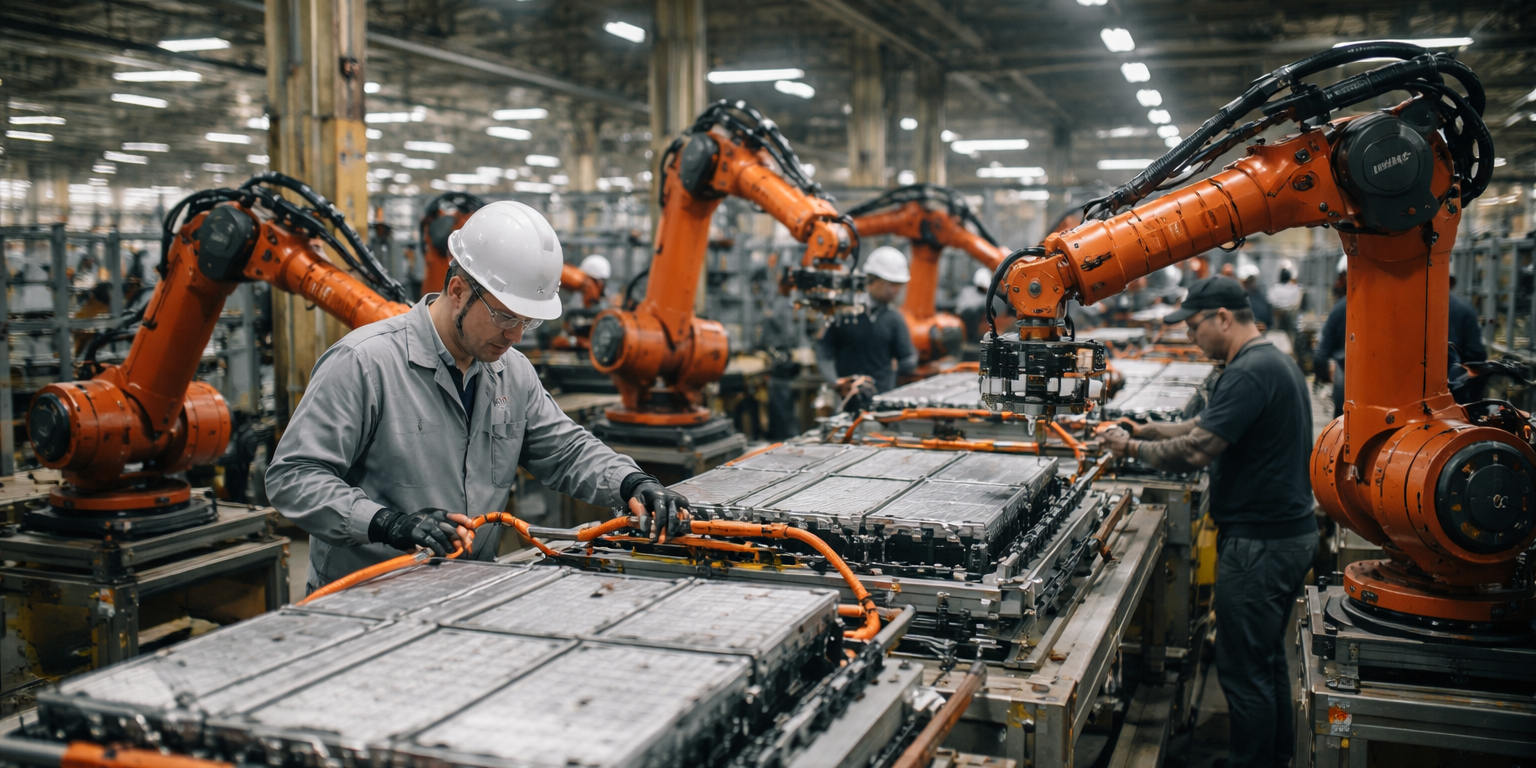
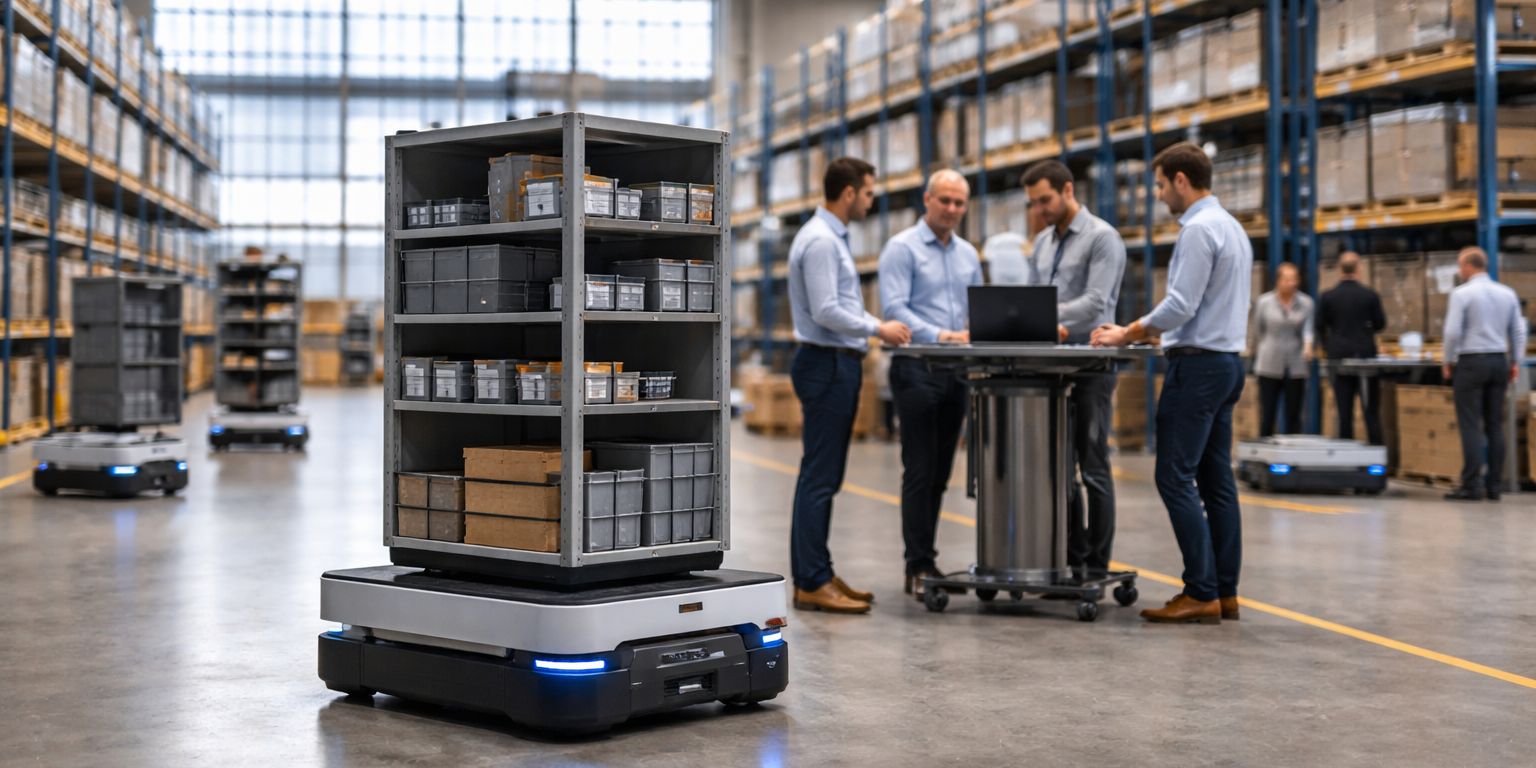
Manufacturing automation represents the most mature deployment environment, with automotive and electronics assembly lines integrating AI-enhanced robots for quality inspection, parts handling, and collaborative tasks alongside human workers. BMW's Spartanburg facility now operates 1,400 robots incorporating vision systems trained on millions of defect images, reducing false positives in quality control by 73 percent compared to 2022 baseline performance. Amazon continues expanding its warehouse robot fleet—now exceeding 750,000 units globally—while testing generative AI systems that optimize picking routes and predict inventory placement. Tesla's Optimus humanoid remains in limited production, but the company reports shipping 50 units to third-party manufacturers for evaluation. Elder care applications have progressed more slowly despite urgent demographic need in Japan, South Korea, and parts of Europe. Current systems handle medication reminders, fall detection, and basic fetch tasks, but physical assistance with bathing, dressing, and mobility requires liability frameworks that remain unresolved in most jurisdictions. Disaster response represents a small but technically demanding niche where funding flows disproportionately to capabilities—DARPA's latest subterranean challenge winners now commercialize robots that navigate collapsed structures and identify survivors without GPS or reliable communication links.
The capital intensity of robotics creates different dynamics than software-focused AI companies experience. Manufacturing robots carry unit costs between $25,000 and $150,000 depending on capabilities, while humanoid platforms currently exceed $100,000 per unit at low production volumes. These economics force buyers into rigorous payback calculations that limit impulse adoption. Service robots face consumer price sensitivity—few households will pay $10,000 for devices that vacuum floors when $400 alternatives exist. The path to mass deployment therefore depends on manufacturing scale that reduces costs by an order of magnitude while simultaneously improving capability and reliability. Tesla claims Optimus will eventually retail below $30,000, but achieving that price point requires production volumes exceeding 100,000 units annually. No humanoid manufacturer currently operates at that scale. Industrial robots benefit from established supply chains and decades of manufacturing optimization, but adding AI capabilities has introduced new cost structures around compute hardware, sensor arrays, and ongoing model training. The return-on-investment calculation becomes more complex as capabilities expand—a robot that adapts to new tasks without reprogramming delivers more value but costs more upfront and requires technical staff to maintain its learning systems.
What to Watch: Monitor Tesla's Optimus production ramp through Q2 2025 earnings calls for concrete shipment numbers beyond pilot programs. Track ABB Robotics and FANUC announcements regarding AI-enhanced collaborative robots priced below $20,000, which would open mid-market manufacturing segments. Watch for FDA guidance on autonomous mobility aids and patient-handling robots as regulatory clarity will determine healthcare deployment timelines. Follow Amazon's Prime Air drone delivery expansion beyond current test markets in College Station and Lockeford as a signal of regulatory acceptance for autonomous logistics.