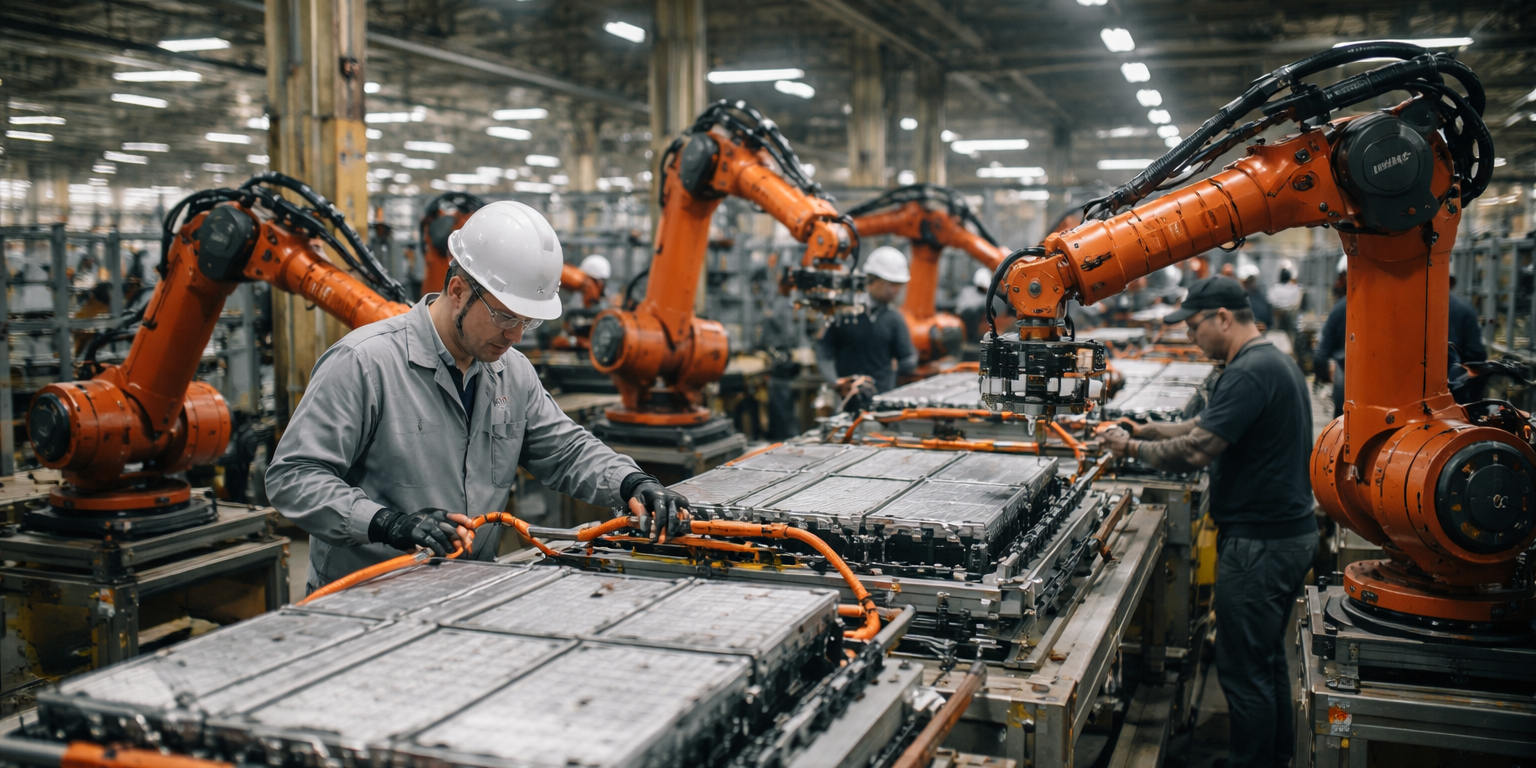
Fanuc shipped 550,000 industrial robots in 2023 alone, more than any competitor globally. That install base now becomes the proving ground for Google Cloud's Gemini AI platform, following a partnership the companies formalized Wednesday in Tokyo. Rather than develop its own robotics hardware or acquire a manufacturer outright, Google is pursuing the same strategy that made Android dominant in mobile phones: build the software layer, let established hardware makers handle production and distribution, then capture the ecosystem. For Fanuc, the deal offloads AI development costs while differentiating its yellow robot arms from competitors using legacy control systems. The partnership gives Google immediate reach into automotive assembly lines, consumer electronics factories, and precision machining facilities across Asia, Europe, and North America—markets where building credibility from scratch would take years.
Google's enterprise cloud division has trailed Amazon Web Services and Microsoft Azure in manufacturing sector revenue since 2019, despite heavy investment in industrial IoT platforms and edge computing hardware. Manufacturing customers have historically preferred AWS for its maturity and Microsoft for its enterprise software integration. Gemini changes that calculation by offering capabilities neither competitor currently matches at scale: multimodal AI that processes visual, linguistic, and sensor data simultaneously. A Fanuc robot equipped with Gemini can adjust pick-and-place operations based on visual inspection, natural language instructions from human operators, and real-time sensor feedback about part tolerances—all without specialized programming for each input type. That flexibility matters in modern factories where production runs grow shorter and customization demands increase. A single robot might assemble five different smartphone models in one shift, each requiring slightly different component handling. Legacy systems require separate programming for each variant. Gemini-equipped robots adapt using training data rather than explicit instruction sets.
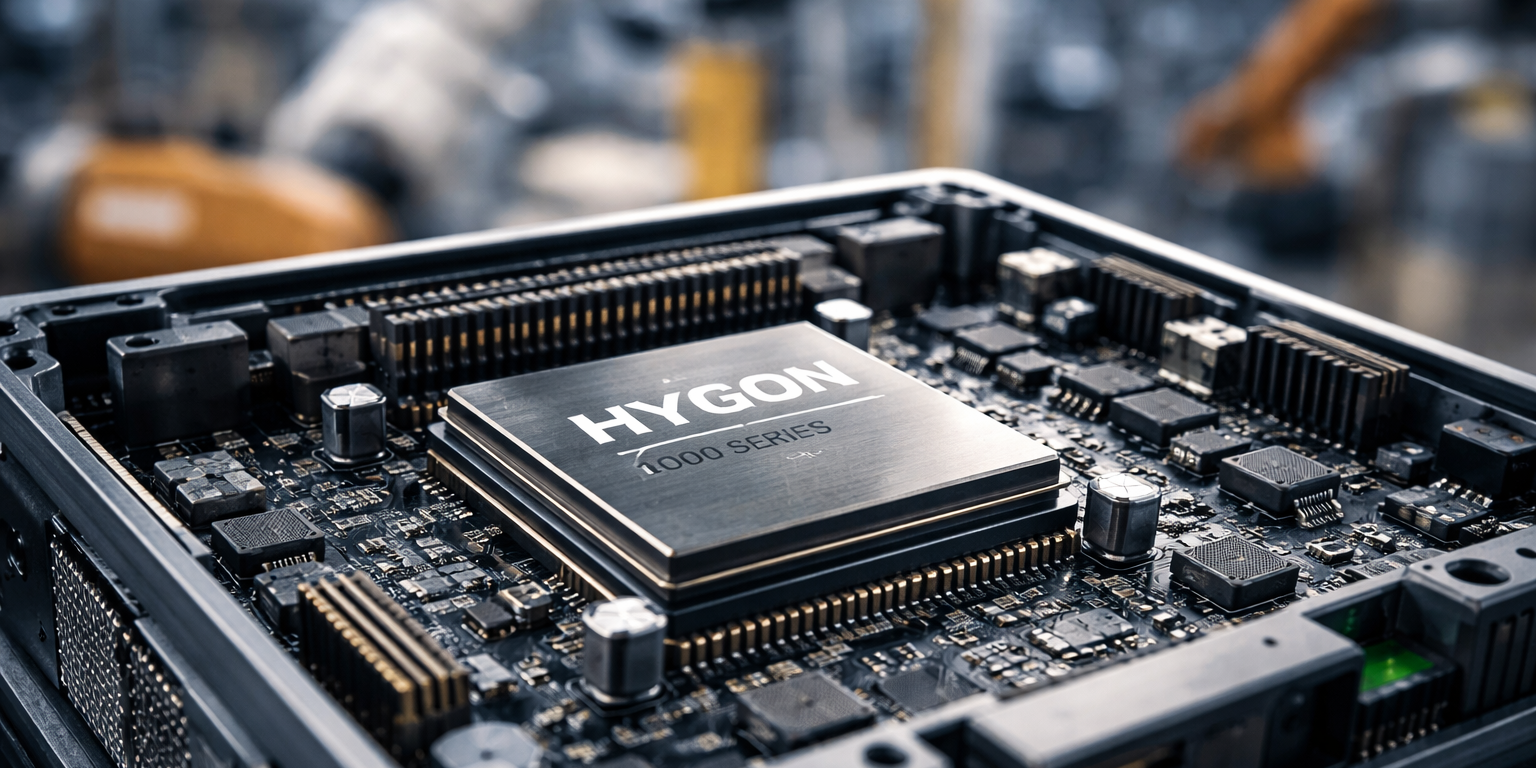
The technical integration happens at the controller level, where Fanuc's proprietary robot operating system meets Google's cloud infrastructure. Fanuc robots will run local inference using Gemini models optimized for edge deployment, with cloud connectivity for model updates and aggregate learning across factory installations. That architecture addresses the latency requirements of industrial automation—robotic welding and assembly operations demand response times measured in milliseconds, incompatible with cloud-dependent processing. Google developed specialized tensor processing units for edge deployment specifically to meet these requirements, competing directly with NVIDIA's Jetson platform and Intel's industrial edge processors. The partnership announcement did not disclose pricing structure, but industry analysts expect Google to subsidize early deployments heavily to establish market presence, similar to its strategy with Android handset makers between 2008 and 2012. Fanuc likely negotiated favorable terms given its leverage as the largest potential distribution partner. Smaller robot manufacturers including ABB, KUKA, and Yaskawa now face a strategic decision: adopt a competing AI platform, develop proprietary systems, or partner with Google on less favorable terms than Fanuc secured.
The manufacturing robotics market generated $17.3 billion in revenue during 2023, with industrial robots representing approximately 60 percent of that total. Software and AI services currently account for less than 15 percent of robotics company revenue, but that proportion is shifting as customers demand adaptive automation rather than fixed-sequence industrial robots. Boston Consulting Group projects AI-enabled robotics software will grow to 35 percent of total market revenue by 2030, driven largely by manufacturers seeking flexible automation that accommodates high-mix, low-volume production. Google is positioning Gemini to capture that growth across multiple hardware platforms simultaneously rather than betting on a single robotics form factor. If the Fanuc partnership proves successful, expect similar announcements with CNC machine tool makers, collaborative robot manufacturers, and autonomous mobile robot companies within eighteen months. Microsoft will likely respond by deepening its partnership with automation software provider Siemens, while Amazon doubles down on its internal robotics development for warehouse operations. The competition ultimately benefits manufacturers, who gain access to sophisticated AI capabilities without building internal machine learning teams or negotiating directly with multiple technology vendors.
What to Watch: Track Gemini deployment numbers in Fanuc's quarterly earnings reports starting Q2 2025—meaningful adoption requires thousands of installations, not pilot programs. Monitor whether ABB or KUKA announce competing AI partnerships with Microsoft, Amazon, or independent providers like Scale AI within six months. Watch for Google to announce edge TPU pricing and availability for third-party robotics manufacturers by September 2025, signaling expansion beyond the Fanuc relationship into a broader platform play.