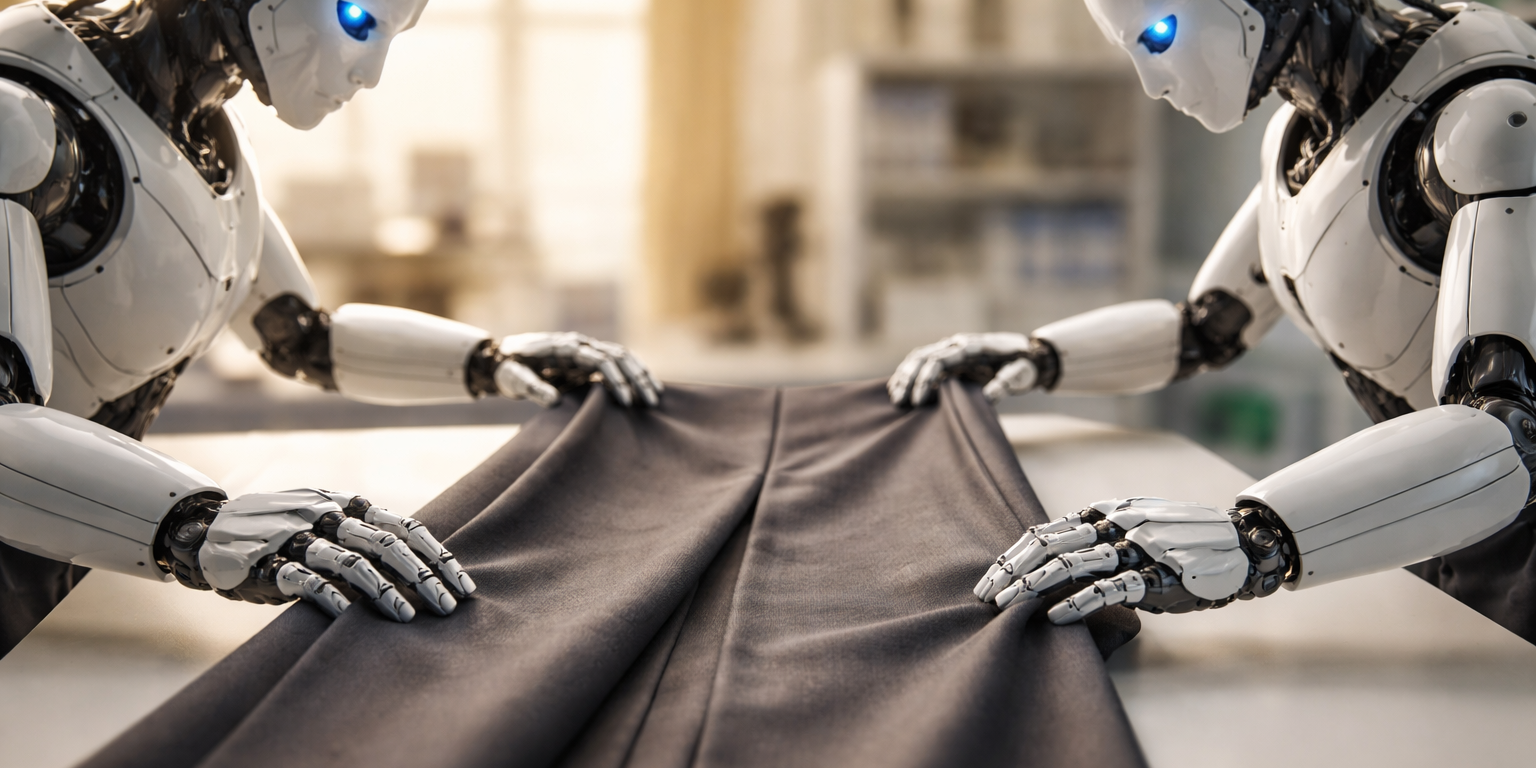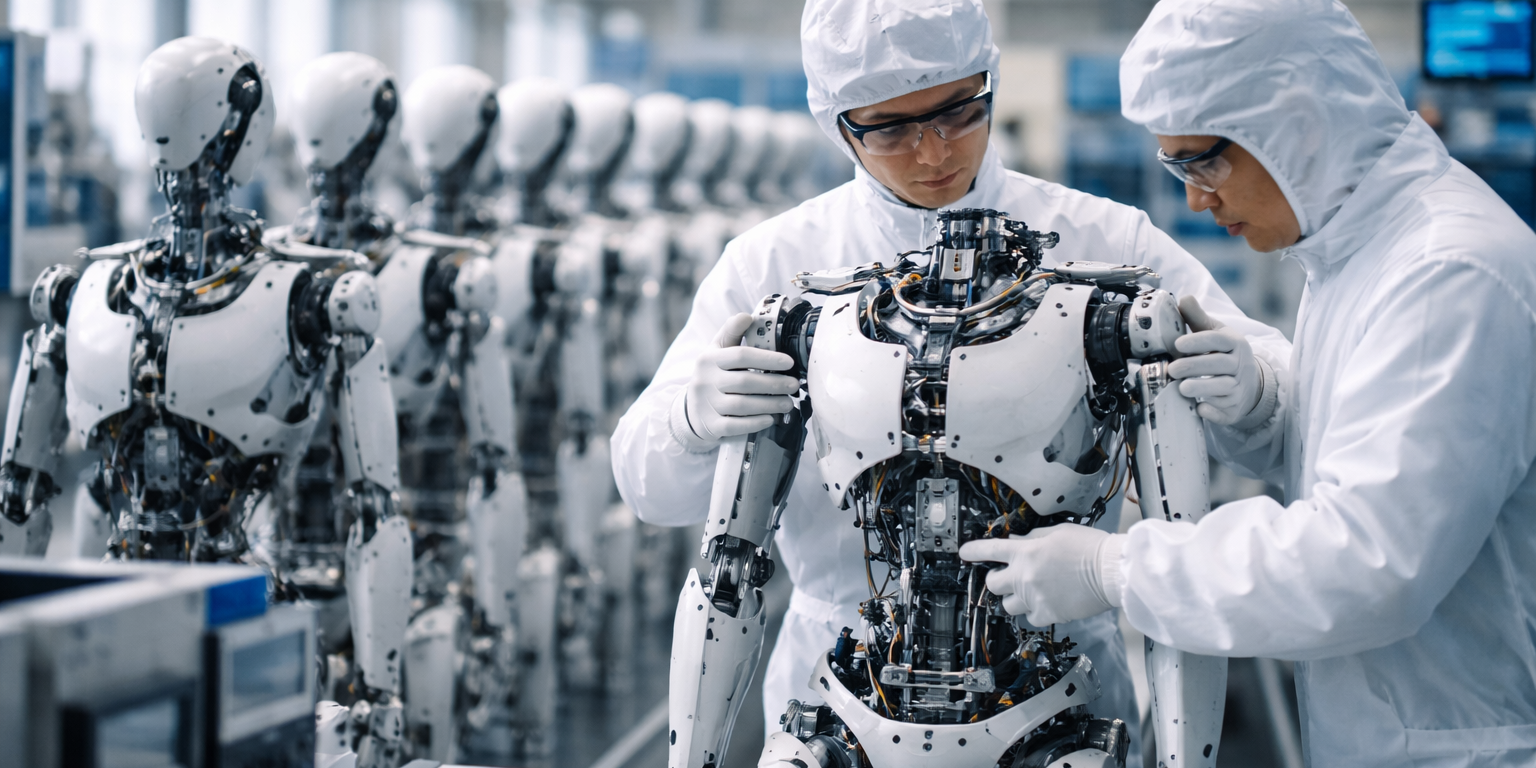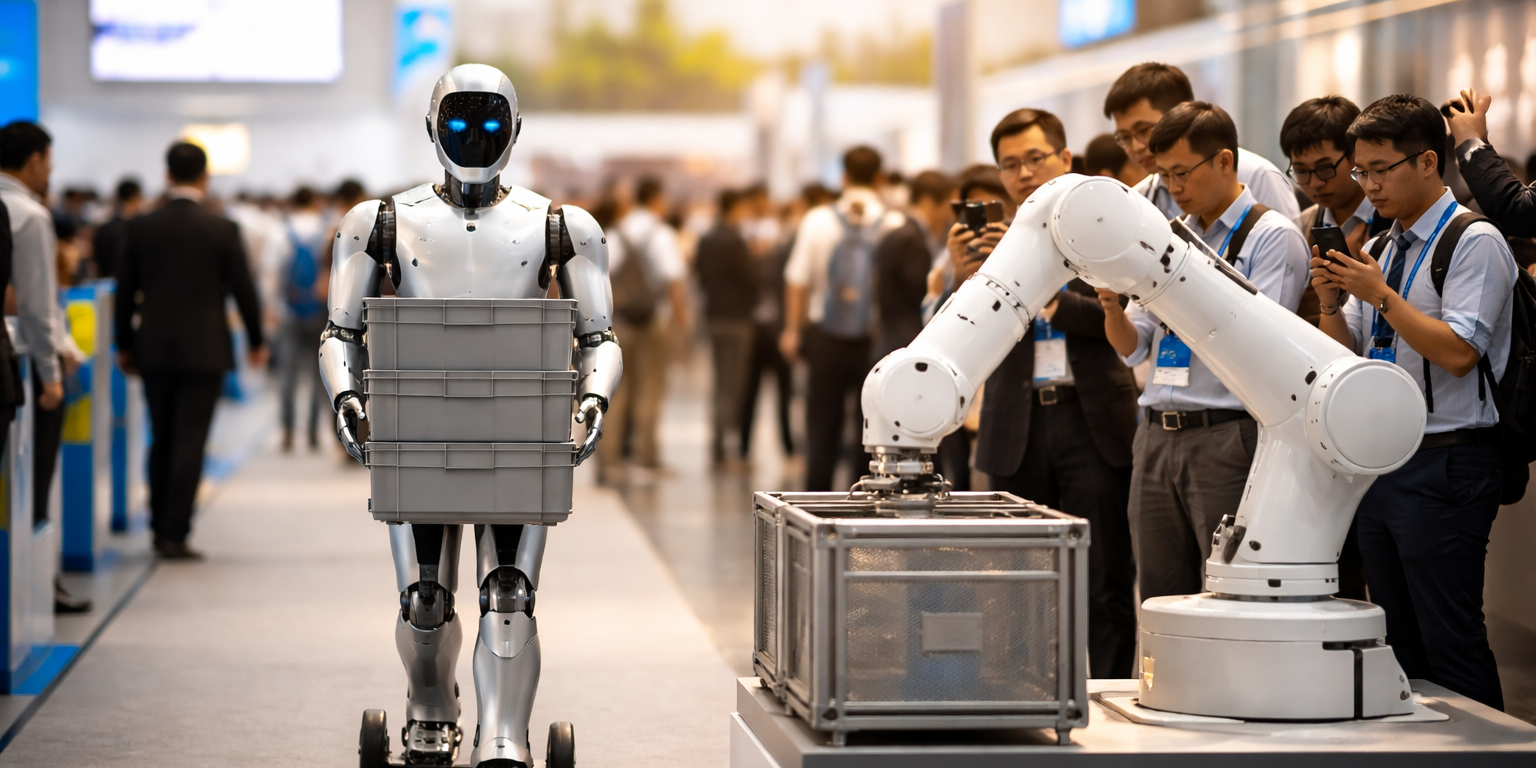
Fifty kilograms is a number that should make cobot engineers pause. Most collaborative arms top out between 5 and 20 kg, and the few that stretch higher tend to sacrifice speed, reach, or the safety certifications that justify the word collaborative in the first place. JAKA Robotics is now putting that figure in the name of a new arm, the Zu50, and pairing it with a wheeled humanoid called the Kargo50 designed to haul totes around factory floors. Both products were shown at the China International Industry Fair in Shanghai, the country's largest annual showcase for industrial automation, where the Shanghai-based company chose to lead with payload rather than spectacle.
The pairing makes more sense once you look at where JAKA came from. Founded in 2014, the company built its reputation on conventional six-axis collaborative arms and has spent the past decade selling them into electronics assembly, machine tending, and light logistics, with a growing export business. The Zu series has been its workhorse line. Moving to a 50 kg variant extends that family into territory previously held by traditional industrial robots, which need guarding, cages, and floor space. A cobot that can lift a full tote, a motor housing, or a stack of parts without a fence around it changes the layout math for a plant manager, even if the cycle times never match a caged arm.
The Kargo50 is the more unusual bet. Rather than copying the bipedal designs that dominate humanoid headlines, JAKA has put the upper body on a wheeled base, a configuration that trades the ability to climb stairs for stability, battery efficiency, and the capacity to carry heavy loads without the balance problems that plague legged machines. The name and its tote-handling mission tell the story: this is a machine built to pick containers from shelves and conveyors, move them, and set them down, repeatedly, across a shift. That is a narrower job than the general-purpose pitch favored by many humanoid startups. It is also a job that factories already pay people to do, which gives buyers a clear baseline for judging return on investment.
The wider context is a Chinese humanoid sector crowded with well-funded players, from Unitree and UBTech to AgiBot and Fourier, many of them chasing bipedal designs and consumer attention. JAKA's wheeled approach lines up more closely with a quieter cohort building mobile manipulators for logistics, a category where Western firms such as Agility Robotics and Apptronik have also focused on tote movement as the first commercial use case. What sets JAKA apart is its installed base and channel. A company that already sells thousands of arms to manufacturers has existing customer relationships, service networks, and safety documentation that pure humanoid startups must build from scratch. If the Kargo50 shares components, controllers, and software with the Zu line, that reuse could prove a real cost advantage over rivals developing everything new.
What to Watch The first signal is pricing and availability: JAKA has yet to publish unit costs or ship dates for either product, so watch for quotes and delivery commitments emerging from Shanghai show contacts through the fourth quarter of 2026. Second, look for third-party safety certification on the Zu50, since a 50 kg payload in a human-shared workspace will draw scrutiny from integrators and regulators alike. Third, track whether JAKA names a pilot customer for the Kargo50 in electronics, automotive, or e-commerce fulfillment, because a named deployment will say more than any demo reel. Finally, compare JAKA's wheeled tote-handling approach against Agility Robotics' Digit deployments and Apptronik's Apollo pilots as 2026 closes out, to see whether wheels or legs win the first paying contracts.