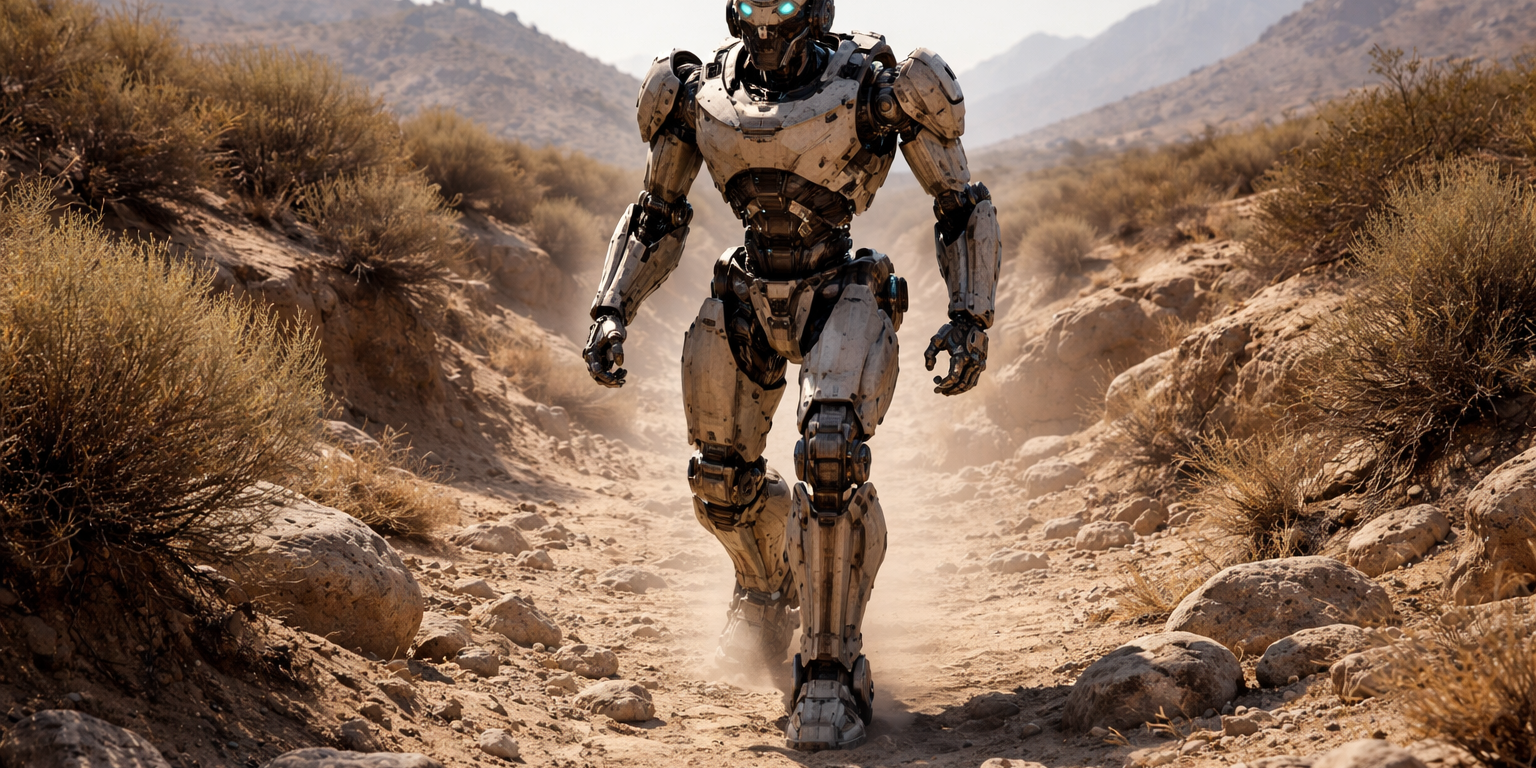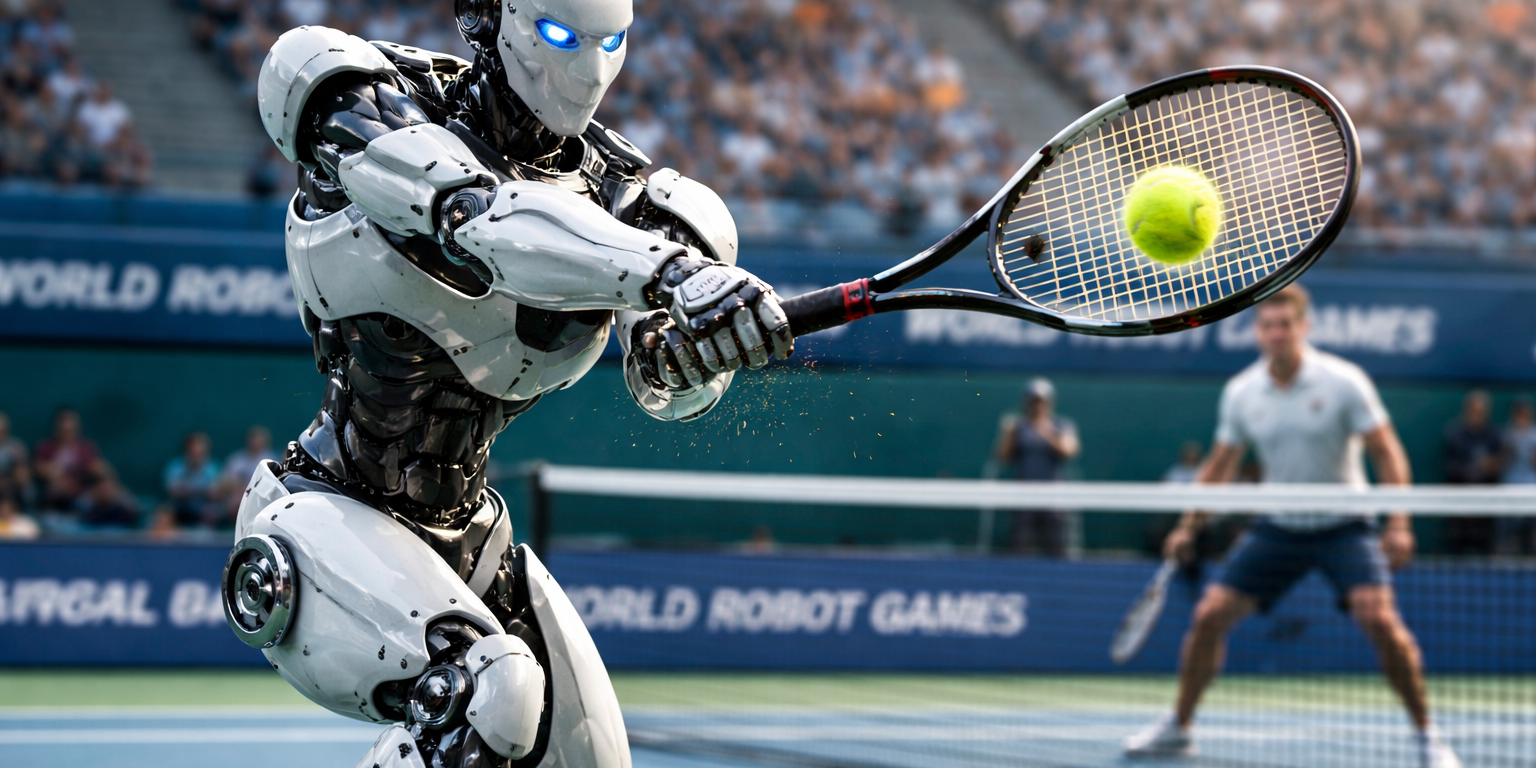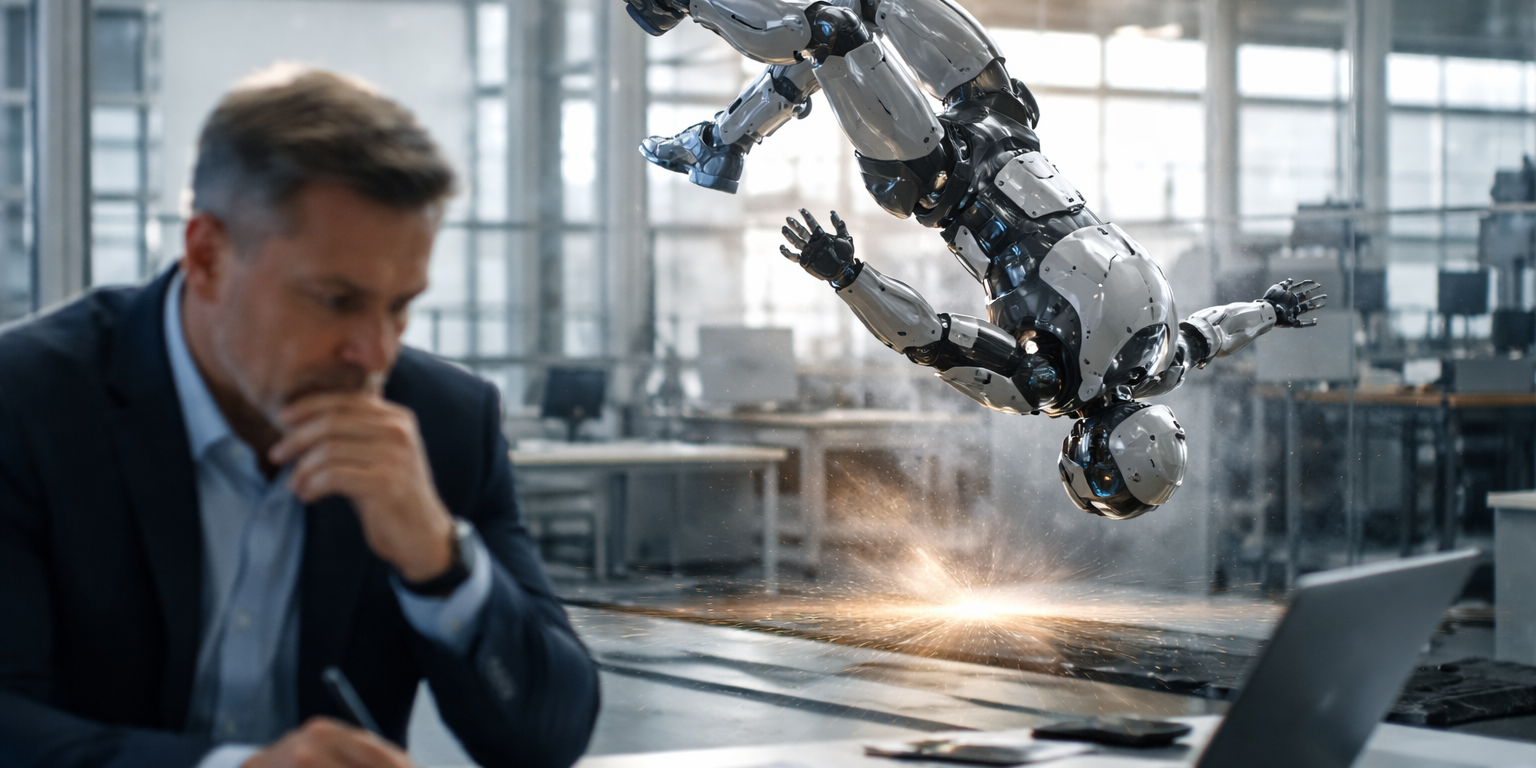
IEEE Spectrum's Video Friday feature this week asked a question that has been circulating quietly in engineering circles for months: do we actually need superhuman humanoid robots? The query appeared alongside the publication's weekly robotics video compilation, but the subtext points to a broader tension in the humanoid development space between technical capability and market fit. As companies pour resources into robots that can perform backflips, navigate obstacle courses, and execute increasingly complex movements, the commercial justification for these capabilities remains frustratingly vague. One unnamed video featured in the roundup prompted the observation: "This is very, very cool. But I'm trying to think of what the commercial use case will be."
The question arrives as the industry prepares for a concentrated series of technical gatherings. The Humanoids Summit Seoul is scheduled for September 22-23, 2026, followed immediately by IROS 2026 in Pittsburgh from September 27 through October 1. The Conference on Robot Learning (CoRL 2026) closes out the sequence in Austin from November 9-12. These events will likely surface the latest humanoid prototypes and research directions, making the timing of IEEE Spectrum's question particularly relevant. Engineers and executives attending these conferences will need to articulate not just what their robots can do, but why those capabilities matter to potential customers. The gap between technical achievement and commercial deployment has widened noticeably over the past eighteen months, with several high-profile humanoid projects struggling to identify specific tasks that justify their development costs.
The economics of humanoid robotics have always been challenging, but the bar has shifted. Early justifications centered on flexibility and general-purpose utility a single robot platform that could handle multiple tasks across different environments. That value proposition made sense when compared to developing specialized machines for each application. But as mobile manipulators, collaborative arms, and autonomous mobile robots have matured into reliable commercial products, the humanoid form factor increasingly needs to prove it offers something those alternatives cannot. Superhuman capabilities like extreme agility or strength sound impressive in demonstrations, yet most industrial and logistics environments require consistency, precision, and uptime rather than athletic performance. Warehouse operators need robots that can work twelve-hour shifts without failure, not robots that can do a standing backflip. Healthcare facilities need robots gentle enough to work safely around patients, not robots with superhuman grip strength.
The commercial hesitation extends beyond capability questions to fundamental design philosophy. Several humanoid projects have prioritized mimicking or exceeding human physical abilities, operating under the assumption that human-level performance represents the baseline requirement. But human workers in factories and warehouses are not valued primarily for their strength or speed they are valued for their problem-solving, adaptability to novel situations, and ability to communicate with team members. A robot that can lift twice what a human can lift but requires specialized programming for each new task may actually be less useful than a slower robot with robust task-learning capabilities. The focus on superhuman physical performance may be solving the wrong problem entirely. Meanwhile, companies developing more modest humanoid platforms with better software architectures and lower price points are beginning to secure pilot deployments in retail and light manufacturing, suggesting the market may care more about cost and reliability than peak performance specifications.
The IEEE Spectrum piece did not offer answers, but its appearance in a publication read closely by working roboticists suggests the question is gaining traction beyond investment circles. As the September and November conferences approach, humanoid developers will face increasing pressure to demonstrate not just technical sophistication but clear paths to revenue. The robotics industry has seen multiple technology waves where impressive demonstrations failed to translate into sustainable businesses bipedal locomotion research in the 1990s and early 2000s produced remarkable academic results but virtually no commercial products. The current humanoid wave has significantly more funding and better component technology, but it faces the same fundamental challenge: proving that the form factor solves real problems better than alternatives. The next six months will likely determine whether superhuman capabilities become a competitive advantage or an expensive distraction.
What to Watch: Track announcements from the Humanoids Summit Seoul in late September 2026 for any pilot deployment commitments or commercial partnerships, particularly in manufacturing and logistics. Monitor whether IROS 2026 presentations shift focus from capability demonstrations toward task-specific performance benchmarks and total cost of ownership analysis. Watch for pricing announcements or volume production timelines from any major humanoid platform developers before CoRL 2026 in November concrete commercial terms will signal which companies are moving beyond research prototypes.