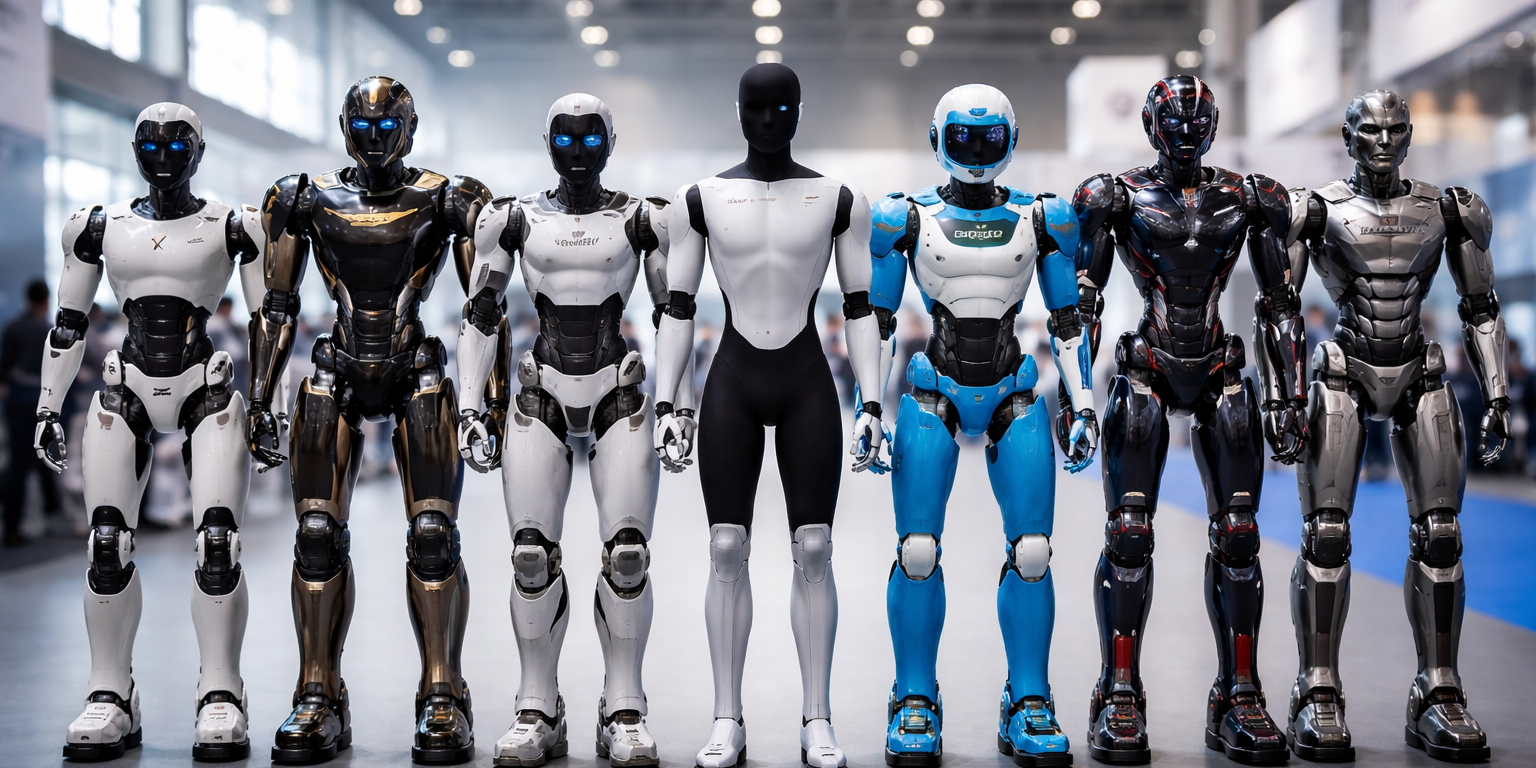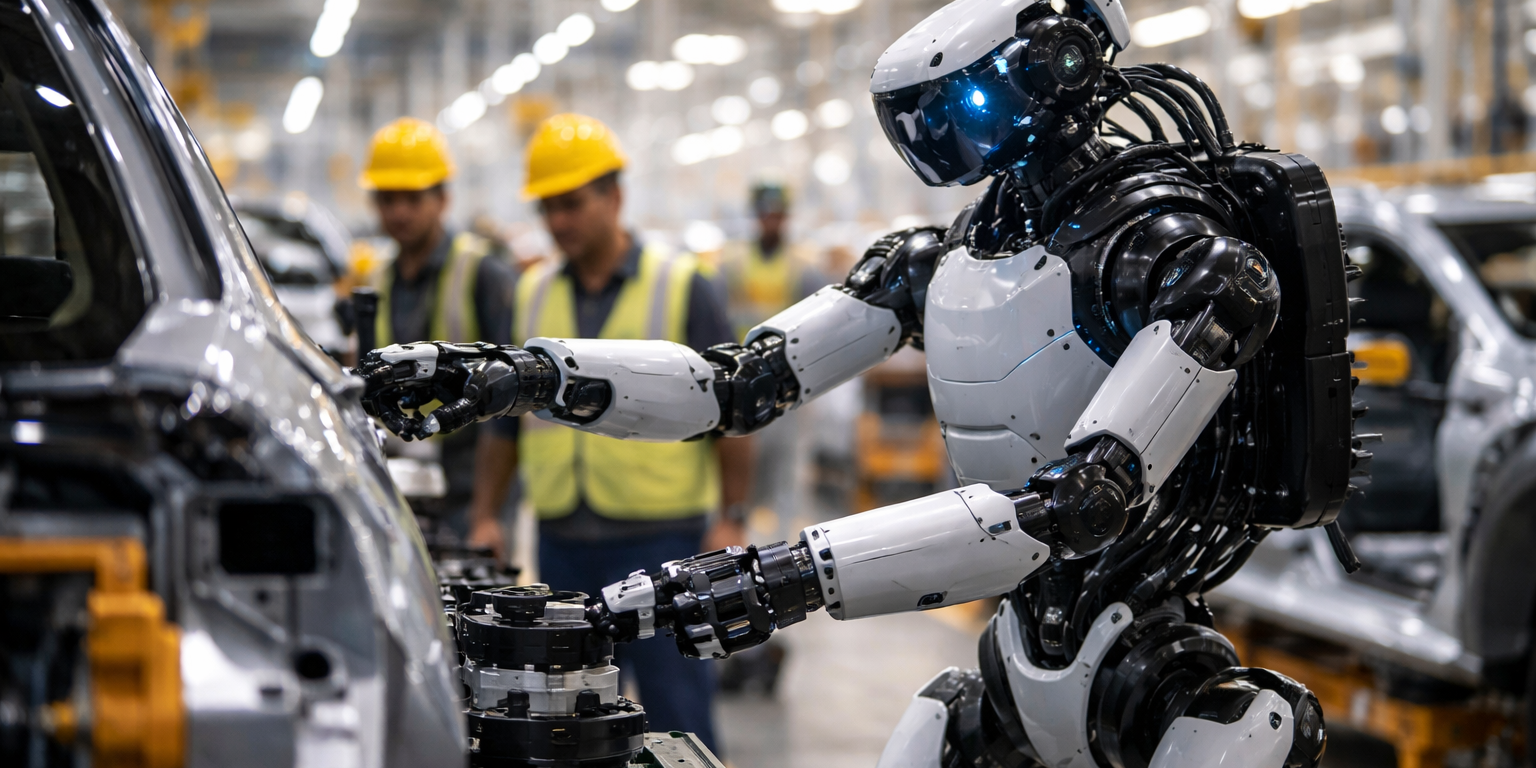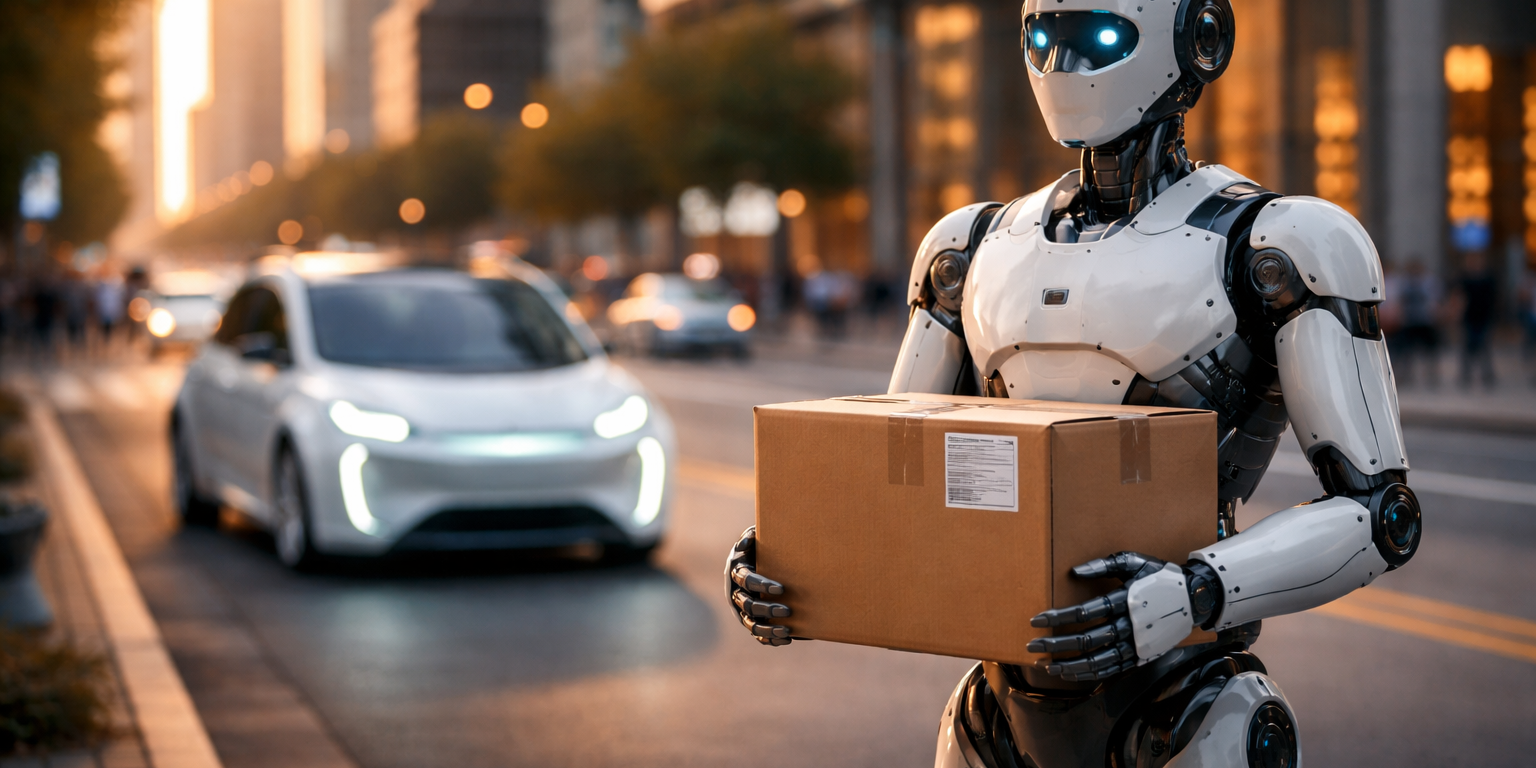
The 2004 film I, Robot depicted a 2035 Chicago where humanoid robots delivered packages, autonomous vehicles dominated streets, and centralized AI systems coordinated urban infrastructure. Twenty-two years after its release, that timeline has compressed. Figure AI shipped its first commercial humanoid units to BMW manufacturing facilities in March 2026. Tesla deployed Optimus Gen 3 robots across Gigafactory Texas the same quarter. Waymo autonomous vehicles now complete more than 150,000 paid rides weekly across four metropolitan areas. The NS-5 robots that once seemed like Hollywood fantasy now have functional analogs moving through warehouses in Tennessee and assembly lines in Bavaria.
The film's production designers worked with MIT robotics researchers and automotive engineers from Audi, which supplied the RSQ concept vehicle that became central to the plot. Those consultations produced surprisingly accurate predictions about bipedal locomotion, sensor fusion architectures, and the regulatory frameworks that would emerge around autonomous systems. The movie's depiction of robots using LIDAR arrays for navigation, communicating via mesh networks, and requiring government-mandated fail-safes anticipated debates that consumed the robotics industry between 2022 and 2026. Even the film's premise of centralized AI control systems managing distributed robot fleets mirrors architectures deployed by companies like Sanctuary AI and Agility Robotics, which use cloud-based reasoning engines to coordinate humanoid workers across multiple facilities.
The timeline accuracy extends beyond form factors. I, Robot positioned its technology 31 years after production, placing advanced humanoids and fully autonomous vehicles in 2035. Current deployment trajectories suggest commercial humanoids will reach the film's depicted capability levels between 2032 and 2038, according to projections from Boston Dynamics, Figure AI, and Tesla. The movie showed robots performing domestic tasks like walking dogs, collecting garbage, and providing elder care—applications now targeted by startups including 1X Technologies, which raised $125 million in Series B funding in January 2026 specifically to develop home assistance robots. The film's autonomous vehicle density, with roughly 80 percent of traffic consisting of self-driving cars, matches forecasts from McKinsey and Goldman Sachs for major metropolitan areas by 2037.
Specific technical details also proved prescient. The NS-5 robots used what the film called a "positronic brain" housed in a torso-mounted processing unit, similar to current humanoid architectures where NVIDIA Jetson Thor or Qualcomm Snapdragon processors sit in the chest cavity for optimal weight distribution. The movie depicted robots with 28 degrees of freedom in their hands, compared to 27 in Figure AI's hands and 24 in Tesla's Optimus Gen 3. The film showed humanoids running at speeds matching human athletes—Unitree's H1 robot achieved exactly that in February 2026, reaching sustained speeds of 13 miles per hour. Even seemingly minor details like charging stations embedded in floors appeared in Boston Dynamics' new Spot Enterprise charging dock system and Tesla's Optimus charging protocols.
The autonomous vehicle predictions carry equal weight. The RSQ concept car featured full drive-by-wire systems, 360-degree sensor coverage, and vehicle-to-vehicle communication protocols—all standard components in Waymo's sixth-generation robotaxi platform and GM's Cruise Origin vehicle before its program suspension. The film depicted a centralized traffic management AI called VIKI controlling vehicle flow, preventing accidents through predictive routing. Similar systems now exist in pilot programs across Singapore, Dubai, and portions of Los Angeles, where traffic authorities use AI coordination platforms from companies including Mobileye and Nvidia to manage autonomous vehicle fleets. The movie also showed human drivers as outliers creating unpredictability in otherwise smooth traffic, a scenario playing out in mixed autonomy environments where legacy vehicles complicate autonomous routing algorithms.
What to Watch: Monitor Figure AI's expansion beyond BMW into additional automotive manufacturers through Q3 2026, particularly negotiations with Volkswagen and Hyundai rumored for August announcements. Track regulatory frameworks emerging from the National Highway Traffic Safety Administration's autonomous vehicle guidelines expected in September, which may formalize centralized coordination requirements similar to I, Robot's VIKI system. Watch for 1X Technologies' consumer humanoid demonstration scheduled for October 2026 in Oslo, targeting the domestic assistance market the film depicted.