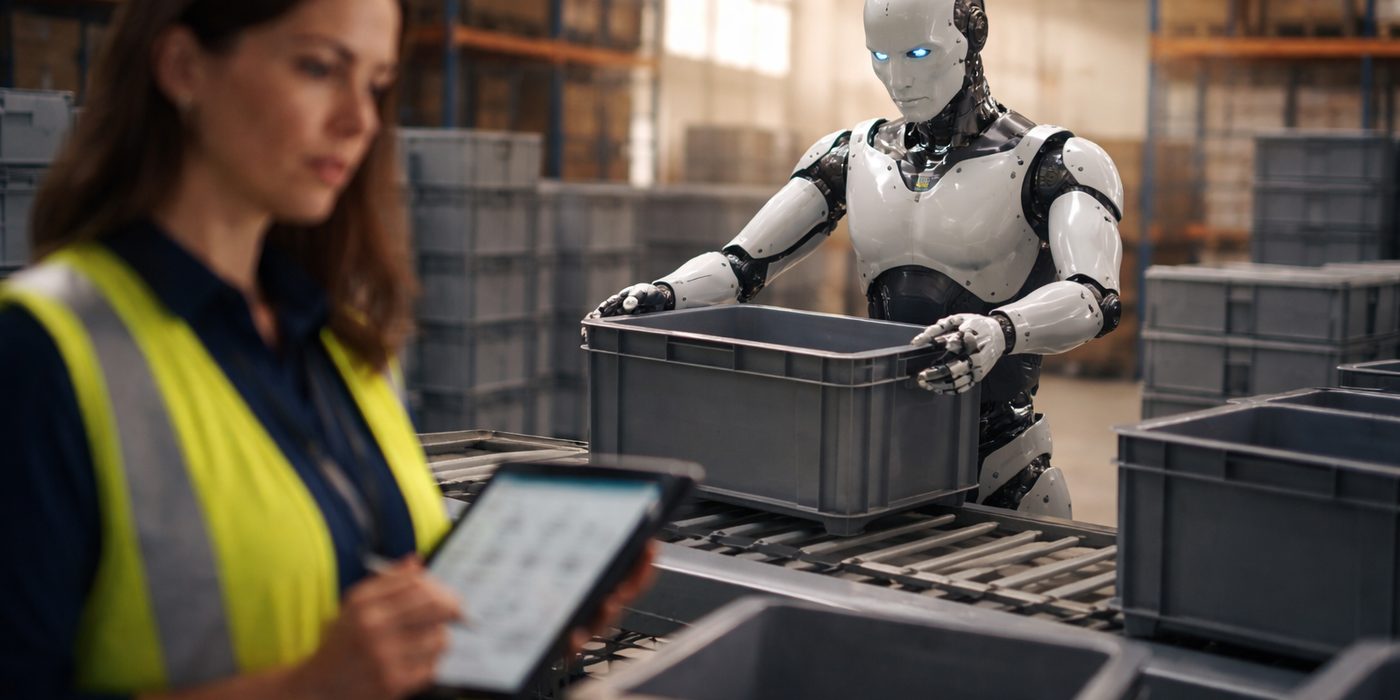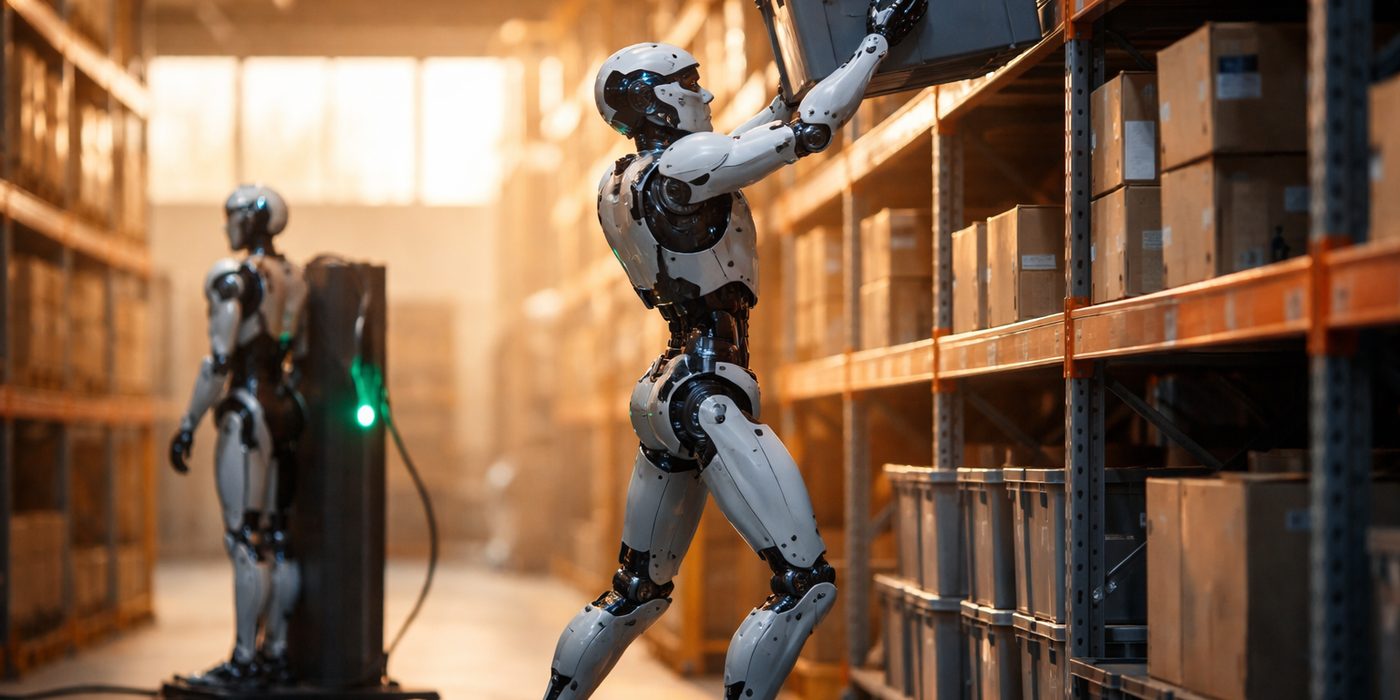

The org chart is the story. Hyundai Motor Group has stood up a dedicated RX Business Strategy Team to run its robotics ambitions under a banner it calls "Robotics Everything," and the team's first job is to get the Atlas humanoid out of the lab and onto a production line. The unit sits above the operating companies rather than inside any one of them. That placement matters. Robotics at Hyundai has long been a collection of strong but loosely coupled efforts: Boston Dynamics building machines in Waltham, Massachusetts; the carmaker's own research arms testing wearables and mobility concepts; suppliers eyeing actuators. The RX team exists to end that fragmentation and set one strategy, one budget logic and one timeline.
Hyundai has been signaling this direction for years, but the pace has changed. The group completed its acquisition of a controlling stake in Boston Dynamics from SoftBank in 2021, valuing the company at roughly $1.1 billion, and for several seasons treated it as a showcase for technical prestige more than a revenue line. Spot and Stretch found paying customers. Atlas, the biped that became famous for parkour, did not. That changed when Boston Dynamics retired the hydraulic Atlas in 2024 and replaced it with an all-electric version designed from the start for work rather than spectacle. Hyundai then began testing the electric Atlas in its own plants, including its Georgia electric-vehicle facility, giving the robot a real factory to learn in and a captive first customer to learn for.
What distinguishes Hyundai from most humanoid contenders is that it controls the whole chain. Few startups can say they own the robot designer, the contract manufacturer, the component suppliers and the end-user factory floor. Hyundai Mobis already makes actuators and drive systems at automotive scale. Kia and Hyundai Motor operate plants where repetitive part-handling, kitting and sequencing tasks are plentiful and well documented. And the group has the balance sheet to commit to tooling before demand is proven, which is exactly the leap that separates a prototype run of dozens from a production run of thousands. Industry observers have pointed to Hyundai's stated ambition of building on the order of tens of thousands of robots a year at maturity, a figure that would dwarf every humanoid shipment recorded to date. Converting that ambition into a reliable bill of materials is a manufacturing problem more than a robotics one, and it is one Hyundai is unusually equipped to attack.
The sharper observation for engineers and investors is what the RX team implies about how Hyundai views Atlas: as a product line with a P&L, not a corporate science project. Selling the robot externally, which Hyundai has said it intends to do, puts it in direct competition with Tesla's Optimus, Figure AI, Agility Robotics, Apptronik and a crowded field of Chinese entrants including Unitree and UBTech. Most of those rivals are racing to prove a single use case. Hyundai can afford to prove many across its own operations first, then sell a robot with a real deployment record. The risk is that internal demand flatters the numbers. A humanoid that works well in one affiliate's plant still has to survive the messier integration realities of third-party customers, and a group-wide strategy team will be judged by whether it can export what it learns at home.
What to Watch Track whether Hyundai names a head for the RX team and publishes a production-volume target with a firm year attached, since the absence of numbers is the biggest gap in the announcement. Watch Boston Dynamics for any commercial pricing, lease structure or early external customer disclosure for Atlas, and for updated pilot results from the Georgia plant. Follow Hyundai Mobis's actuator capacity announcements for the clearest read on real manufacturing intent. Finally, monitor how rivals respond, particularly any Tesla Optimus production update or new automaker partnerships from Figure and Apptronik, because Hyundai's move raises the bar for everyone claiming a path to scale.