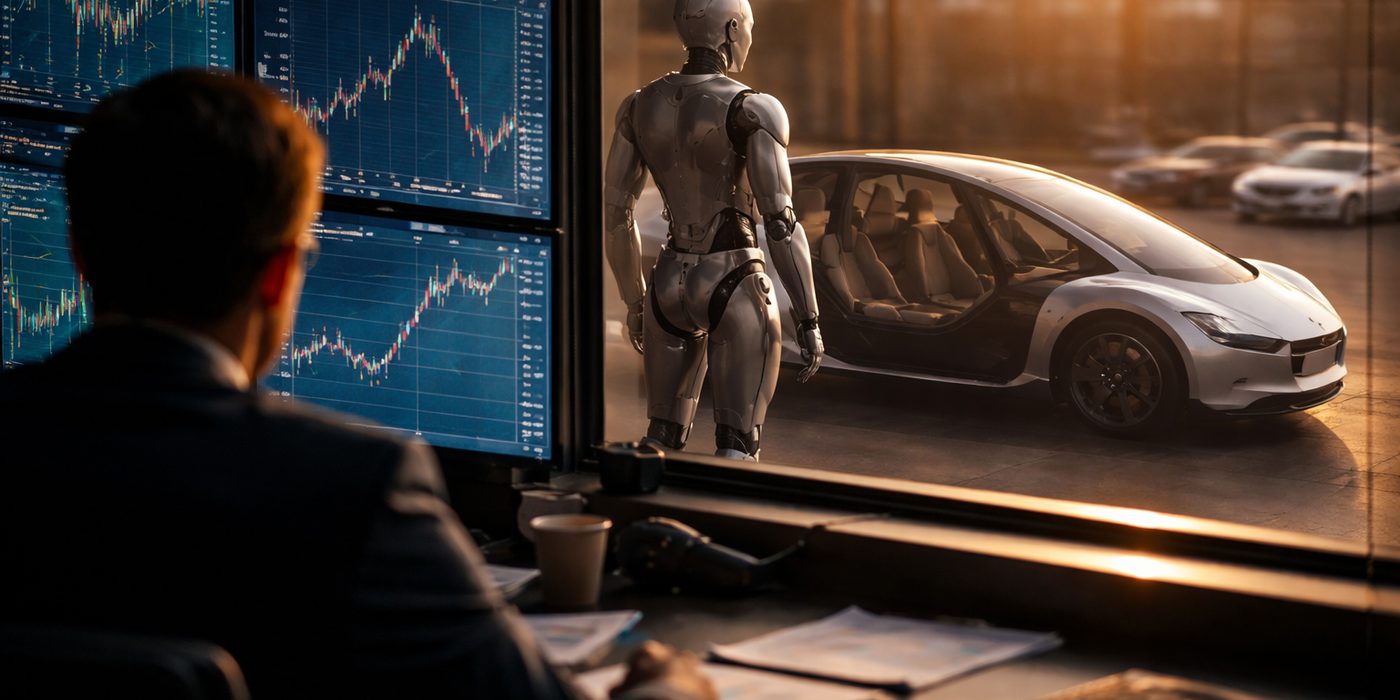
Elon Musk wants investors to stop thinking of Tesla as a car company, and he said so again on Sunday. The Optimus humanoid robot and the Cybercab autonomous vehicle, he argued, will make up the 'vast majority' of Tesla's value, a statement that effectively assigns the legacy vehicle business a supporting role. It is a bold framing for a company that still earns most of its revenue from selling Model 3 and Model Y vehicles. Neither flagship product has yet produced meaningful commercial revenue. Musk has made versions of this argument for years, but the repetition matters: it sets the yardstick against which Tesla's execution will now be judged, and it is a demanding one.
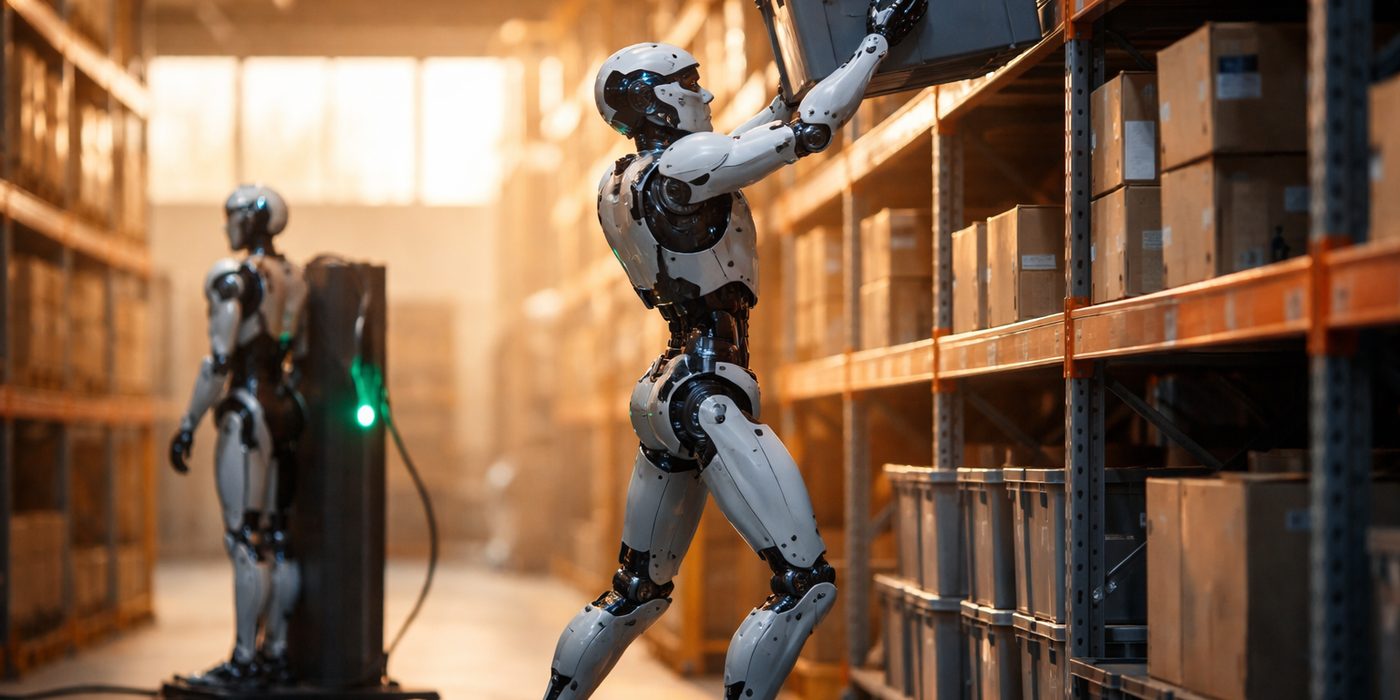
The path to this point has been uneven. Optimus debuted as a person in a spandex suit at Tesla's AI Day in August 2021, and the hardware has matured considerably since, with walking, object-sorting, and battery-cell handling demos shown at company events. Musk has repeatedly projected internal factory deployment and eventual external sales at volumes in the thousands, then the millions, with timelines that have slipped more than once. Cybercab, the two-seat, steering-wheel-free robotaxi unveiled at the 'We, Robot' event in October 2024, carries its own schedule risk. Both programs depend on the same underlying bet: that Tesla's vision-based neural network stack can generalize from roads to factory floors.
That shared foundation is the sharpest point in Musk's argument, and also its biggest vulnerability. Tesla's pitch is that the perception and planning software trained on billions of miles of fleet driving data transfers to a bipedal robot manipulating objects in unstructured spaces. Engineers who work on humanoids will recognize the appeal of that logic and the gaps within it. Driving is largely a navigation problem with a constrained action space. Dexterous manipulation is a contact-rich control problem where the hard parts, such as grip modulation, tactile feedback, and recovery from slips, have resisted vision-only approaches. Tesla's custom actuators and hand design, which have reportedly gone through repeated redesigns, are where the program's real engineering risk sits. Demos are not deployments, and the gap between them is measured in reliability, not choreography.
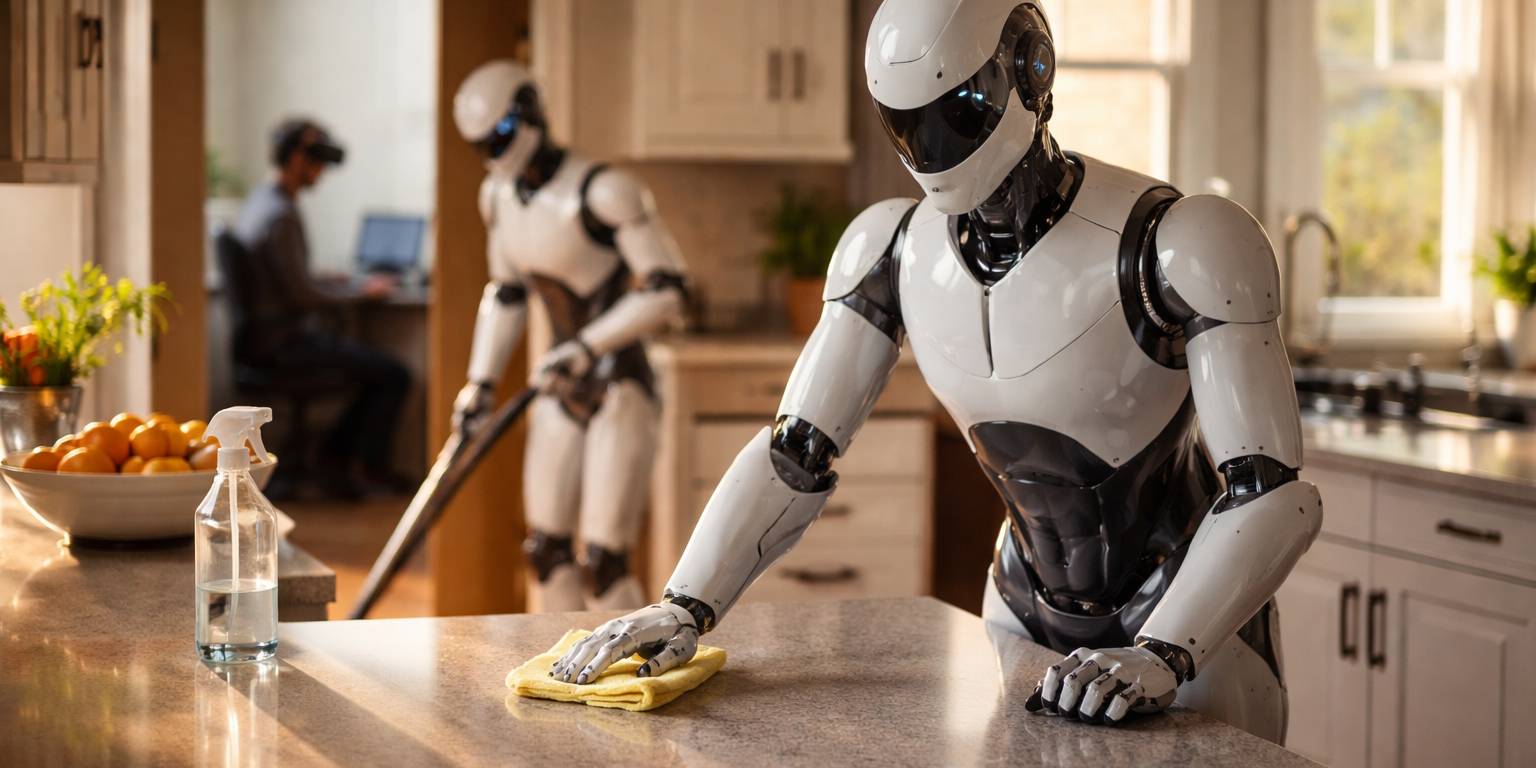
The wider competitive field complicates the picture. Figure AI, Agility Robotics, Apptronik, and Boston Dynamics are all pursuing commercial humanoids with narrower, task-specific deployments in logistics and manufacturing, and several Chinese players, including Unitree and UBTech, are pushing unit prices down aggressively. Unitree has sold humanoids at prices far below what Western rivals quote, forcing a conversation about whether the hardware itself will commoditize before anyone captures durable margins. If it does, Tesla's advantage would have to come from software, data, and manufacturing scale rather than from the robot body. That is precisely the case Musk is making, but it concentrates enormous expectation on a software moat that outsiders cannot yet verify.
For the robotics industry, the practical effect of Musk's statement is attention and capital. A Tesla valuation anchored to humanoids and robotaxis pulls investor focus toward the sector and raises the bar for everyone else's funding pitch. It also raises the stakes of any stumble. A visible delay or safety incident in either program would reverberate beyond Tesla, shaping how regulators and customers view autonomy and general-purpose robots at large. Suppliers of actuators, reducers, sensors, and compute have a direct interest in whether Tesla's volume projections materialize, because a credible ramp would reshape component pricing across the whole humanoid supply chain. Musk has given the market a target. The industry will spend the next several quarters watching whether the hardware, the software, and the unit economics can meet it.
What to Watch
Track Tesla's next quarterly earnings call for hard figures on Optimus production volumes, internal factory deployment counts, and any first external pricing or order commitments. Watch for regulatory filings and state-level permitting news tied to Cybercab, including any expansion of Tesla's driverless service areas beyond current geofences. Monitor competing humanoid announcements from Figure AI, Agility Robotics, and Unitree over the next 90 days, particularly unit price disclosures and paid commercial deployments, since those will set the benchmark Tesla's numbers get compared against. Finally, follow supplier-side signals on rare-earth magnets, planetary roller screws, and harmonic reducers, where capacity announcements would indicate whether the humanoid supply chain is genuinely scaling.