SoftBank Group is selling its remaining 9.65% stake in Boston Dynamics to Hyundai Motor Group for $325 million, ending the Japanese conglomerate's five-year entanglement with the high-profile robotics company. The transaction values Boston Dynamics at approximately $3.4 billion, a modest premium over the implied $3.1 billion valuation when Hyundai took majority control in June 2021. For Hyundai, full ownership removes a complicated partner from the cap table. For SoftBank, it closes the book on one of Masayoshi Son's more conspicuous missteps in robotics investing. The deal is expected to close in the second quarter of 2025, subject to standard regulatory approvals. Boston Dynamics will remain headquartered in Waltham, Massachusetts, operating as a wholly owned subsidiary within Hyundai's Robotics and Advanced Automation division, which the automaker established in late 2023 to consolidate its automation investments including stakes in Rainbow Robotics and a manufacturing automation JV with automotive supplier Mobis.
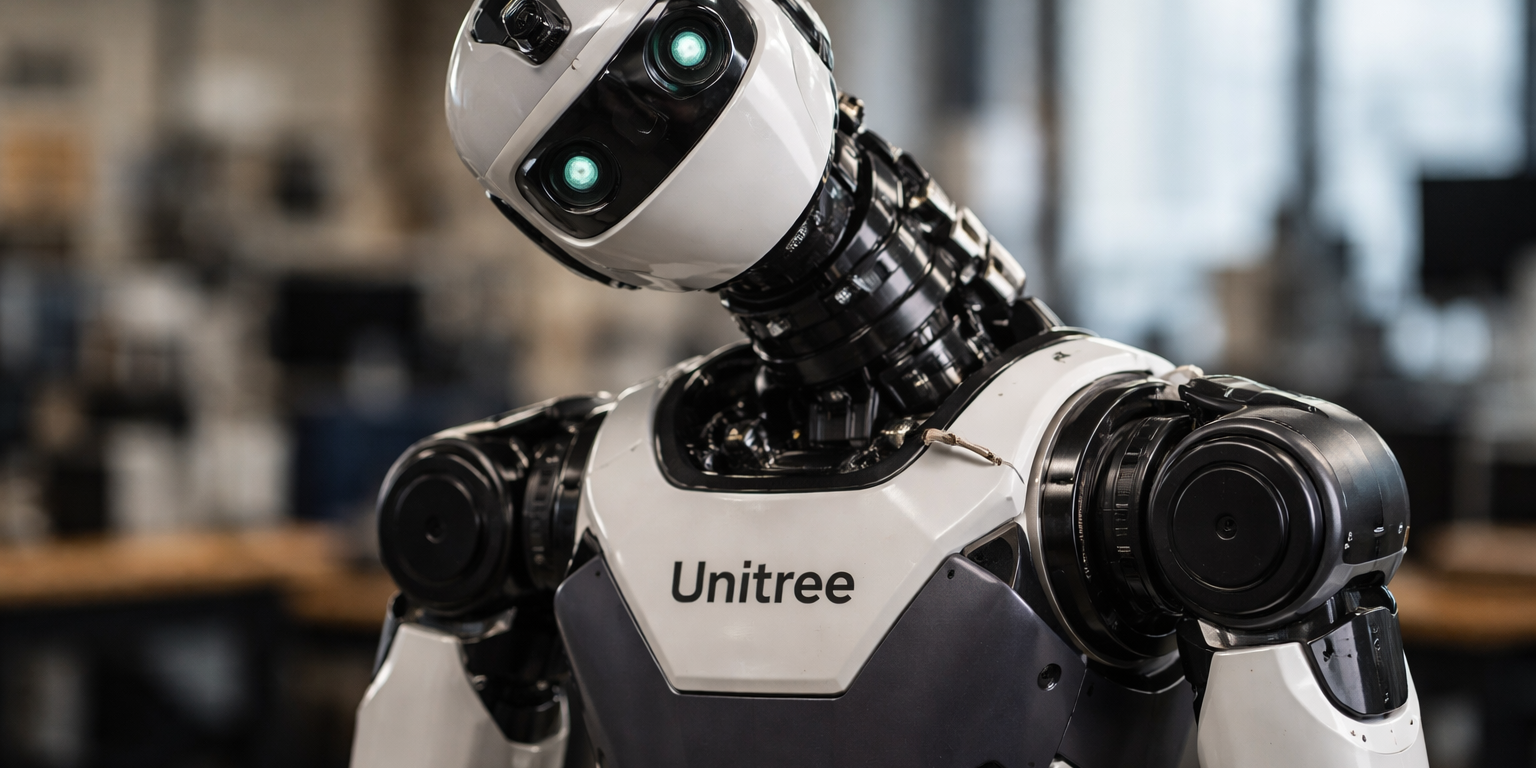
SoftBank originally acquired Boston Dynamics from Google's parent Alphabet in June 2017 for an undisclosed sum widely reported in the range of $100 million to $165 million. At the time, the purchase seemed aligned with Son's vision of a robotics-powered future. He had already deployed billions into warehouse automation through acquisitions of companies like Fetch Robotics and invested heavily in AI chip designer ARM. Boston Dynamics brought marquee engineering talent and viral marketing appeal through Atlas backflips and Spot door-opening demonstrations. But SoftBank struggled to translate YouTube views into revenue. The company shipped its first commercial product, the Spot quadruped, in June 2020 at a $74,500 price point that limited market penetration beyond research labs, utilities inspection, and a handful of construction pilots. When Hyundai stepped in with a majority stake deal valued at $1.1 billion in December 2020, finalized in June 2021, SoftBank retained only the 9.65% stake it has now liquidated. That structure gave SoftBank a face-saving partial exit while allowing Hyundai to gain control without paying the full freight upfront.
Hyundai's interest in Boston Dynamics aligns with the automaker's broader pivot toward mobility solutions beyond traditional passenger vehicles. The company has spent the past four years integrating robotics into its strategic roadmap, launching purpose-built autonomous delivery vehicles, investing in urban air mobility through partnerships with NASA and Uber, and funding internal research into humanoid platforms for factory automation. Boston Dynamics fits that thesis as both a technology asset and a talent magnet. Since the 2021 takeover, Hyundai has pushed Boston Dynamics to accelerate commercialization. Spot production ramped modestly with deployments reported at oil and gas facilities operated by BP and mining operations in Australia. Stretch, the mobile case-handling robot aimed at warehouse unloading, began pilot programs with DHL and Gap in 2022 and entered limited production in 2023. Atlas remains a research platform, though Hyundai executives have hinted at exploring commercial humanoid applications by 2026. The company claims more than 1,500 Spot units deployed globally as of early 2025, though it does not break out robotics revenue in financial disclosures. Industry analysts estimate Boston Dynamics generated between $80 million and $120 million in revenue for 2024, still well short of the scale needed to justify a $3.4 billion valuation on operating metrics alone. The valuation instead reflects Hyundai's strategic calculus that robotics will play a central role in its manufacturing and service ecosystems over the next decade.
The $325 million exit price suggests SoftBank is recovering most or all of its original investment, depending on what it actually paid Google in 2017. That outcome looks competent compared to other SoftBank robotics bets. The Vision Fund wrote down its investment in warehouse robotics company Symbotic by more than 40% in 2023. Its stake in autonomous trucking firm TuSimple evaporated when that company pivoted to gaming and animation after hemorrhaging cash and failing to commercialize its technology. Boston Dynamics, for all its commercial challenges, at least retained its core technology team and brand equity. The timing of SoftBank's exit coincides with a broader retrenchment in Vision Fund deployments. SoftBank has sold or written down positions across AI, logistics, and automation over the past 18 months as rising interest rates and investor skepticism squeezed valuations for pre-profitable tech companies. The firm reported a $5.9 billion loss on its Vision Fund portfolio for the fiscal year ending March 2024. Divesting the Boston Dynamics stake converts a minority position with no board influence into cash SoftBank can redeploy or use to satisfy creditors and investors questioning the fund's strategy.
What to Watch: Hyundai is expected to consolidate Boston Dynamics financials into its Robotics and Advanced Automation reporting segment starting in Q3 2025, which may finally provide public revenue and unit shipment figures. Watch for announcements on Atlas commercialization or a humanoid joint development program with Hyundai's manufacturing division before the end of 2025. SoftBank's next moves in robotics also merit attention; the firm still holds positions in AutoStore and several Chinese automation startups, and how it manages those will signal whether it's abandoning the sector entirely or simply culling underperformers.