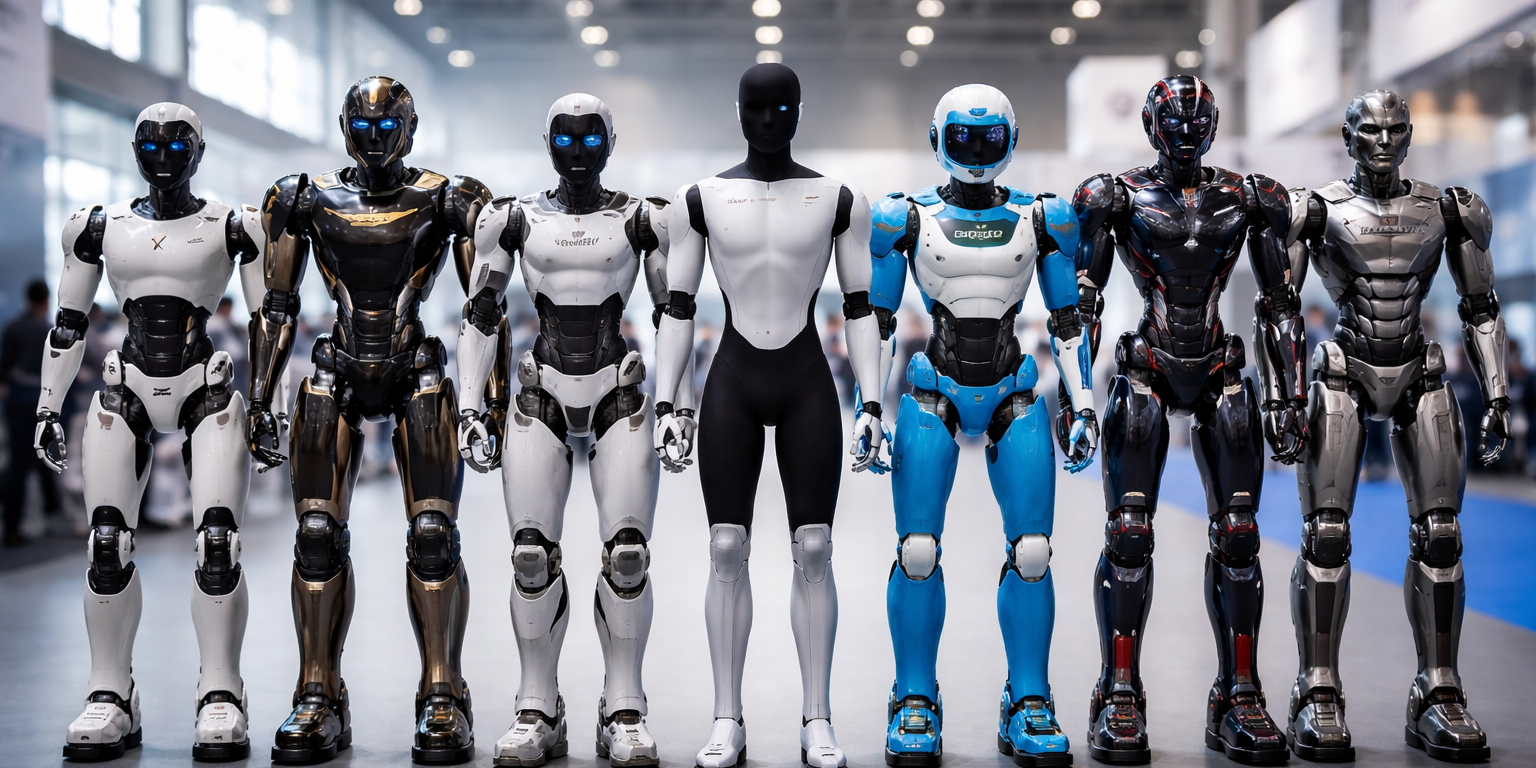
A pair of mechanical hands threaded a needle Thursday at the Humanoids Summit Tokyo, executing a task that most deployed humanoid robots cannot perform. The demonstration opened a two-day event featuring childlike dancing robots and adult-sized delivery assistants, but the needle-threading exercise captured the technical ambition underlying Japan's humanoid strategy. Sub-millimeter precision in end effectors represents a capability gap that separates laboratory prototypes from production systems, and Japanese developers positioned the demonstration as evidence of superior manipulation control. The summit attracted robotics engineers, component suppliers, and venture investors tracking an industry segment where technical milestones increasingly diverge from commercial deployment. While the identity of the developer behind the needle-threading system was not disclosed in initial reporting, the demonstration itself signals Japan's intent to compete on dexterity rather than production volume as Chinese manufacturers accelerate hardware shipments.
Japan built its robotics reputation on industrial automation, where companies like Fanuc and Yaskawa dominate factory floor installations worldwide. That legacy now faces pressure from Chinese humanoid manufacturers including Unitree and Fourier Intelligence, which have compressed development cycles and reduced hardware costs through vertical integration and government subsidies. Unitree's G1 humanoid reached customers in 2024 at price points below $20,000, establishing a benchmark that forces Japanese competitors to demonstrate technical advantages justifying premium positioning. The Humanoids Summit Tokyo reflects this strategic calculus, emphasizing capabilities like fine motor control that Chinese platforms have not yet matched at scale. Japanese firms retain advantages in precision manufacturing and sensor integration, competencies honed through decades of industrial robot production. Whether those advantages matter in humanoid applications remains uncertain, as most current deployments prioritize gross motor skills for warehouse logistics and material handling rather than the intricate manipulation required for electronics assembly or medical device work.
The summit's range of demonstrations—from dancing child-sized robots to delivery assistants—illustrates an industry still searching for the killer application that will justify humanoid development costs. Needle-threading showcases technical achievement but lacks an obvious commercial pathway, while delivery robots address identified market needs but compete against wheeled alternatives with simpler mechanical designs and lower failure rates. This tension between impressive capabilities and practical deployment runs through the humanoid sector, where venture investment has surged despite absent revenue models. Investors have committed billions to humanoid startups in the past eighteen months, betting that human-shaped robots will eventually access labor markets worth trillions annually. That thesis assumes humanoids can achieve cost parity with human workers while performing comparably across diverse tasks, a milestone that current technology does not approach. Japanese developers at the summit positioned their work as incremental progress toward that distant goal, emphasizing technical differentiation in a market where Chinese competitors have established production capability as the baseline for credibility.
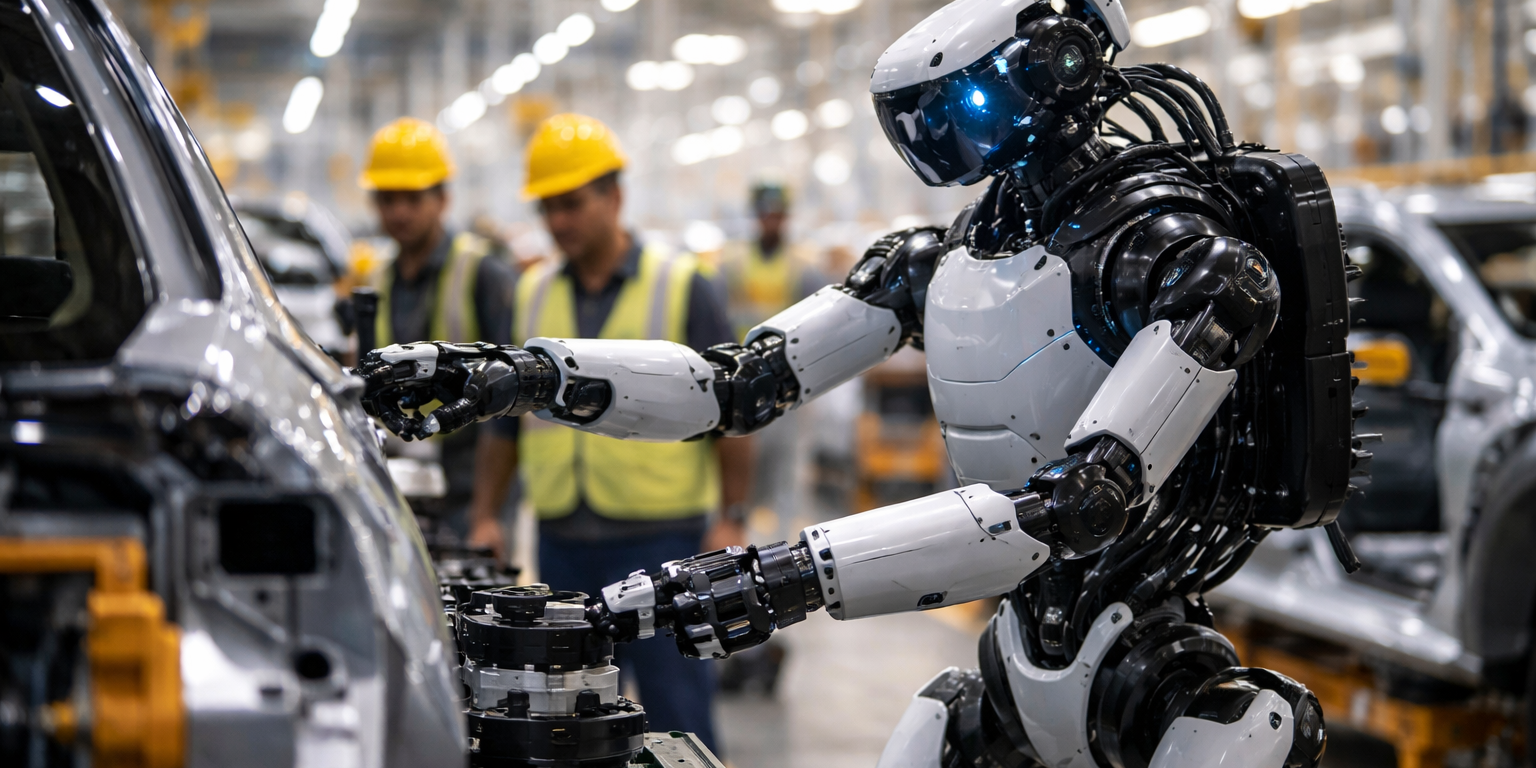
The manipulation dexterity on display carries implications for manufacturing sectors currently inaccessible to humanoid platforms. Electronics assembly requires sub-millimeter precision across repetitive tasks, a combination that humanoid hands have struggled to deliver reliably. If Japanese developers package needle-threading precision into production systems, they could address markets in consumer electronics, medical devices, and aerospace components where labor costs justify automation investment but existing robotic solutions lack the flexibility to handle product variation. Medical device assembly presents particularly attractive economics, as regulatory requirements and component complexity create barriers that favor dexterous manipulation over high-speed repetition. However, moving from demonstration to deployment requires solving integration challenges that extend beyond end effector design. Vision systems must identify and track small components under variable lighting, control algorithms must compensate for mechanical tolerances in real time, and safety systems must prevent damage to fragile parts while maintaining throughput. These integration challenges explain why laboratory demonstrations of impressive capabilities rarely translate quickly into commercial products, and why investors scrutinizing humanoid startups now emphasize deployment timelines and customer commitments alongside technical specifications.
What to Watch: Track whether Japanese humanoid developers announce commercial partnerships in electronics manufacturing or medical device assembly within the next quarter, which would validate the needle-threading capability beyond demonstration value. Monitor pricing announcements from summit exhibitors to assess whether Japanese platforms will compete on cost or maintain premium positioning against Chinese alternatives. Watch for production volume commitments from companies that demonstrated at the summit, as manufacturing scale separates viable competitors from technology showcases in a market where Chinese firms shipped measurable humanoid volumes in 2024.