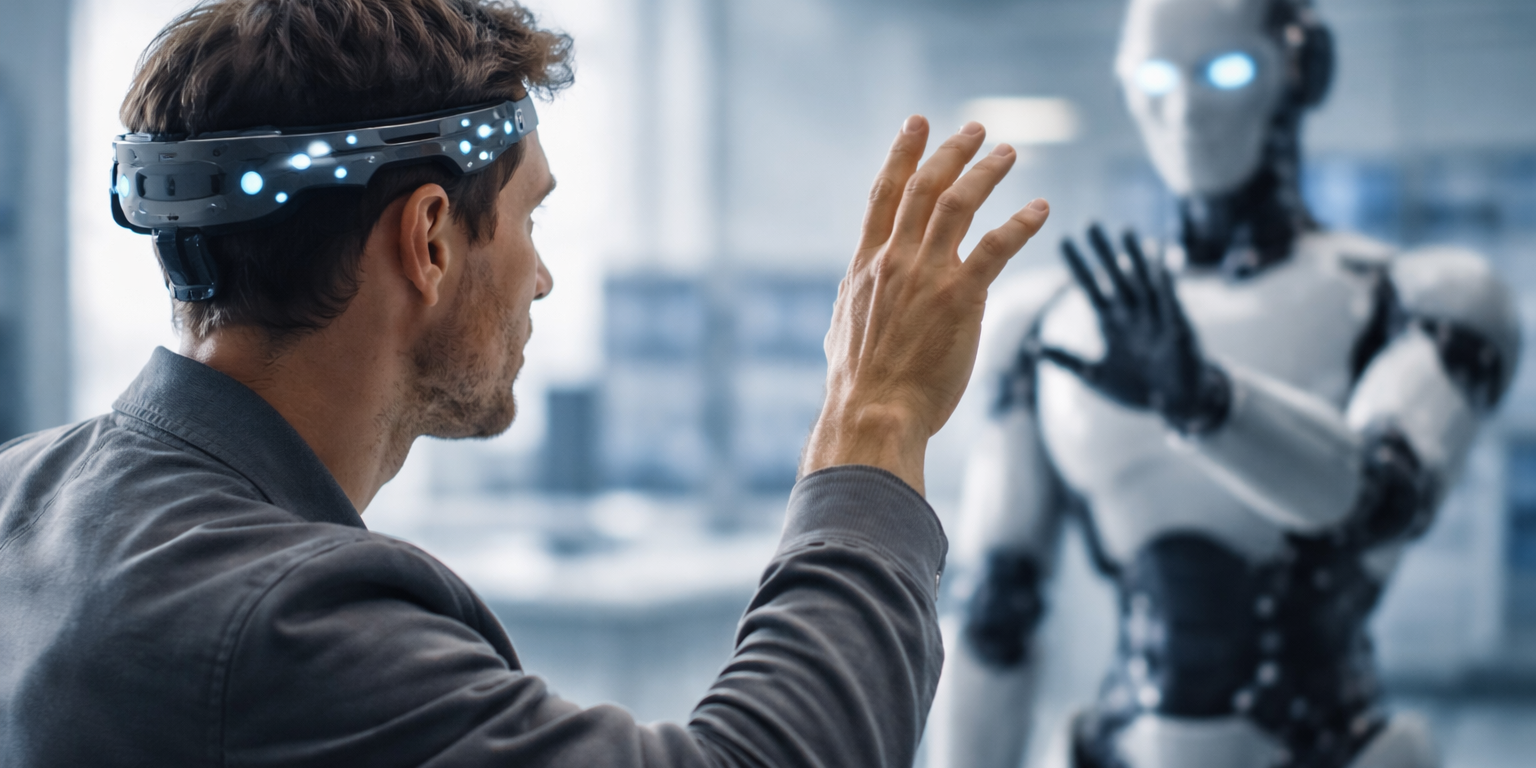
Neuralink and Synchron have both confirmed active discussions with humanoid robotics manufacturers about incorporating brain-computer interface technology into next-generation platforms, according to multiple sources familiar with the negotiations. The talks mark the first sustained commercial engagement between the neural interface sector and humanoid developers, shifting what has been largely academic research into product development timelines that could see early prototypes demonstrated before the end of 2027. Synchron, which received FDA clearance for human trials of its Stentrode device in 2021, has been particularly active in these discussions, meeting with at least two humanoid manufacturers in the past six months about teleoperation applications for individuals with mobility impairments.
The technical challenges are formidable but increasingly tractable. Current brain-computer interfaces can decode motor intent with sufficient fidelity to control computer cursors and simple robotic arms, but translating those signals into the complex, multi-joint movements required for humanoid operation demands processing speeds and signal resolution that exceed existing commercial systems. Engineers at one robotics firm described the latency problem as the primary barrier: even a 100-millisecond delay between neural signal and robotic response creates a disorienting disconnect that makes fine motor tasks nearly impossible. Neuromorphic computing architectures, which process information in ways that more closely mirror biological neural networks, are emerging as a potential solution. Intel's Loihi 2 chip and IBM's TrueNorth processor have both demonstrated the ability to process sensory data and generate motor commands with sub-10-millisecond latency, a threshold that neuroscientists consider acceptable for creating the illusion of direct control.
The biotechnology dimension adds another layer of complexity and possibility. Researchers at several institutions are exploring how biological tissues might be integrated with robotic systems to create hybrid platforms that blur the traditional boundaries between organic and synthetic. The University of Tokyo's Biohybrid Systems Laboratory has successfully integrated living muscle tissue with robotic skeletons, creating actuators that respond to electrical stimulation in ways that purely mechanical systems cannot replicate. These biohybrid actuators offer compliance and adaptability that rigid motors lack, potentially solving one of the persistent challenges in humanoid design: how to interact safely and naturally with humans and fragile objects. The work remains experimental, but three robotics companies have established research agreements with the Tokyo lab, suggesting commercial interest in translating these principles into deployable systems.
The implications extend beyond teleoperation and assistive technology into manufacturing, healthcare, and defense applications where the ability to transfer human skill directly to robotic platforms could compress training cycles and enable new categories of work. A surgical robotics firm based in Switzerland is developing a system that would allow experienced surgeons to directly control robotic instruments through neural interfaces, eliminating the current need for hand controllers and potentially enabling remote procedures with greater precision than current teleoperative systems allow. The defense sector has shown particular interest, with DARPA's Neural Engineering System Design program funding research into bi-directional brain-machine interfaces that could allow operators to receive sensory feedback from robotic platforms, creating a closed-loop system where the human and machine function as an integrated unit. While specific military applications remain classified, industry sources indicate that at least one major defense contractor has accelerated development timelines for neural-controlled ground robots intended for reconnaissance and explosive ordnance disposal.
What to Watch: Neuralink's planned device implantation targets will indicate whether the company can scale manufacturing beyond its current single-digit patient cohort, a prerequisite for any serious robotics integration. Synchron's partnership announcements, expected in Q4 2026, should name specific humanoid platforms and deployment timelines for teleoperation trials. Monitor FDA guidance on neural interfaces in commercial robotics applications regulatory clarity could accelerate development cycles by 18-24 months across the sector.