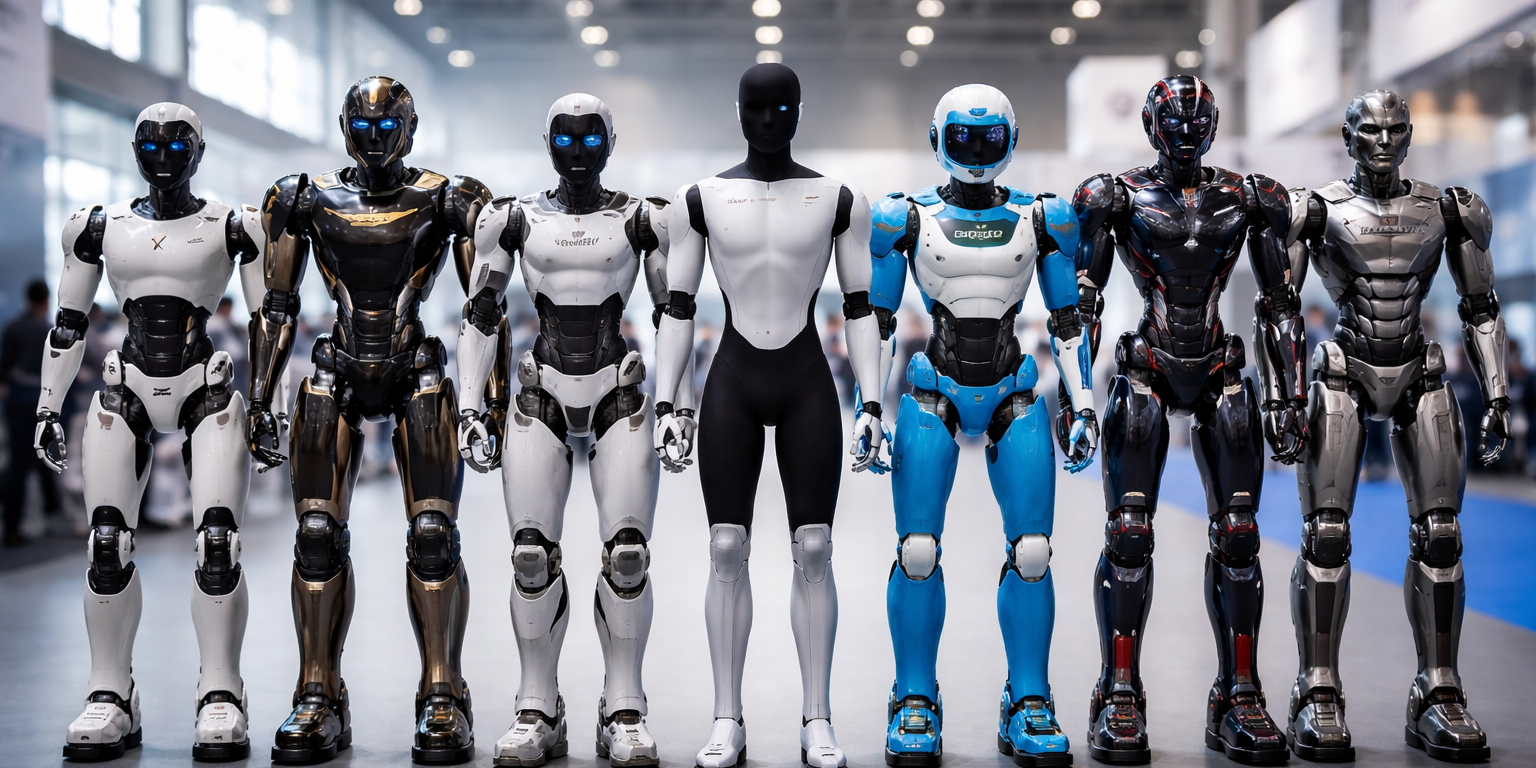
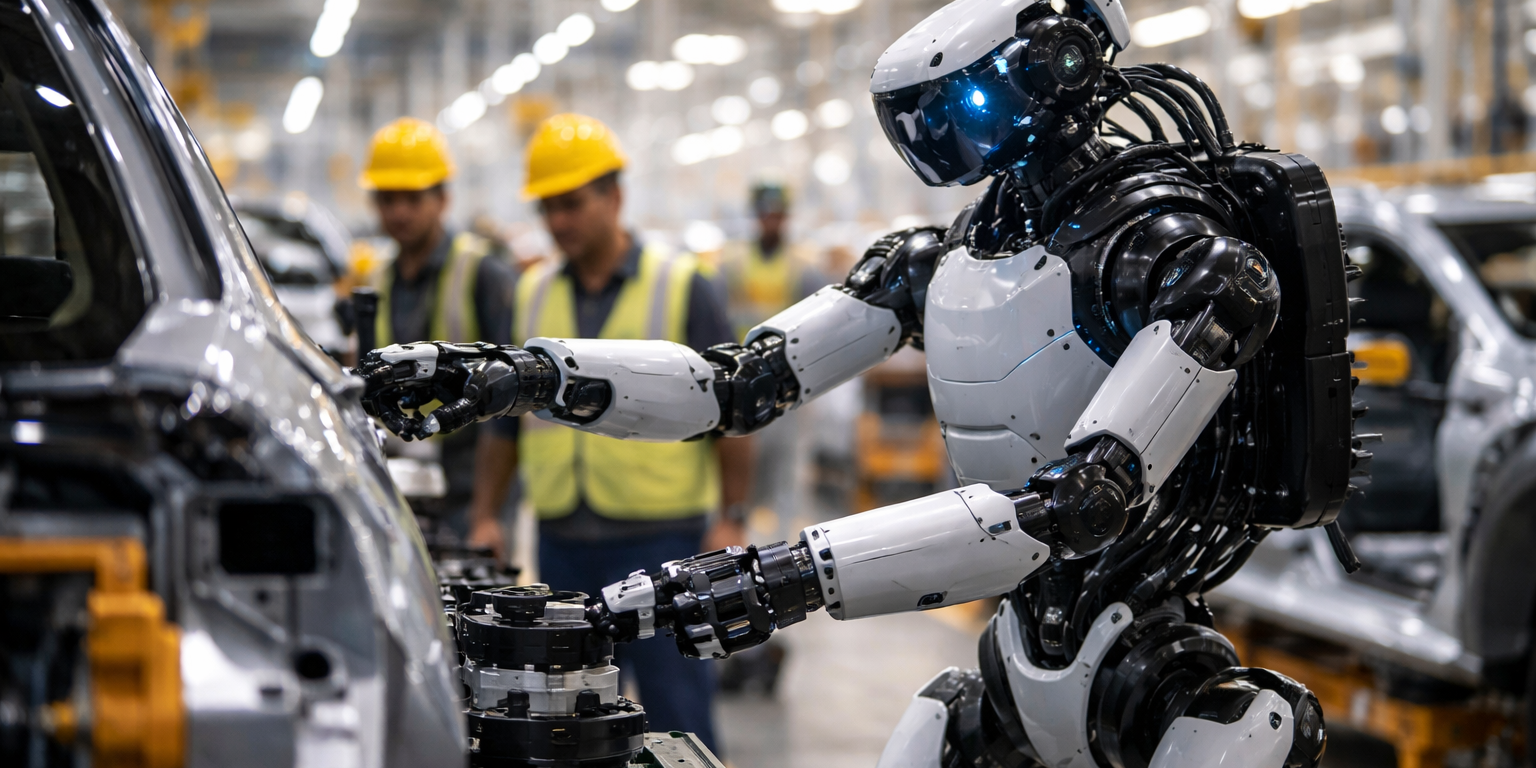
The $20,000 price point has become the robotics industry's magic number, and a panel of experts at the Robotics Summit & Expo in Boston made clear that reaching it remains more aspiration than imminent reality. Engineers and executives debated whether humanoid platforms could achieve consumer-grade pricing while maintaining the capability set required for general-purpose tasks in homes and warehouses. The exchange revealed a fundamental split in the industry: those betting on rapid cost reduction through manufacturing scale versus those arguing that physics and materials science impose hard floors on humanoid economics. The panel brought into focus a question that venture capitalists and corporate development teams are asking with increasing urgency as dozens of startups chase the humanoid opportunity.
Humanoid development has accelerated dramatically since 2022, driven by advances in actuator design, battery energy density, and real-time control algorithms powered by edge AI inference chips. Boston Dynamics, Figure AI, Agility Robotics, Tesla, and at least a dozen well-funded startups have working prototypes in active testing. Yet the machines remain expensive. Agility's Digit, among the furthest along in commercial pilots, reportedly costs several hundred thousand dollars per unit at current production volumes. Figure AI has not disclosed unit economics for its Figure 02 platform, though industry analysts estimate build costs north of $150,000 based on component teardowns and supplier discussions. Tesla's Optimus program has suggested aggressive cost targets below $30,000, but CEO Elon Musk has a well-documented history of optimistic timelines. The gap between today's reality and the $20,000 target that panelists framed as necessary for mass adoption spans an order of magnitude. That distance matters because deployment economics shift radically once humanoids compete on price with industrial robotic arms, collaborative robots, and human labor in specific task categories.
Panelists at the Summit explored several pathways to cost reduction, though none offered a clear timeline to reach the magic number. Manufacturing scale emerged as the most frequently cited lever. Volume production could bring down costs for custom actuators, which remain among the most expensive subsystems in humanoid platforms. One panelist noted that electric vehicle manufacturers demonstrated how battery pack costs dropped from over $1,000 per kilowatt-hour in 2010 to under $140 today, driven primarily by scale rather than fundamental breakthroughs. The analogy resonates because humanoids face similar challenges: many components are bespoke, produced in small quantities, and assembled by hand. Shifting to automated production lines and standardized parts catalogs could compress costs substantially. But volume requires customers, and customers require proof of return on investment that few deployments have yet delivered. The chicken-and-egg problem loomed over the discussion. Other cost reduction strategies included modular designs that allow for field upgrades rather than full unit replacement, software-driven capability improvements that extend hardware lifespan, and strategic decisions to sacrifice degrees of freedom in exchange for simpler mechanical designs.
The panel also grappled with what capabilities a $20,000 humanoid must deliver to justify its price. A warehouse logistics robot needs payload capacity, runtime, and navigation reliability. A domestic assistant needs dexterity, safety certifications, and the ability to operate in unstructured environments. Designing a platform that serves both markets may be impossible at that price point, panelists acknowledged. Specialization could offer a faster path to viable economics. Agility Robotics has focused Digit explicitly on logistics tasks, sacrificing hand dexterity for payload capacity and reliability. Figure AI's partnerships with BMW and OpenAI suggest a manufacturing automation focus. Tesla's Optimus demonstrations, by contrast, showcase general-purpose manipulation in home environments. The divergence in design philosophy reflects differing bets on where early revenue will materialize. Investors are watching closely. Humanoid startups have raised over $3 billion in venture funding since 2021, according to PitchBook data, with valuations predicated on assumptions about addressable market size that only make sense if unit costs drop below $30,000. If the technology cannot reach that threshold within five years, several well-funded companies face uncomfortable reckonings.
What to Watch: Monitor actuator supply chain developments from manufacturers like Harmonic Drive and Nabtesco, whose pricing and capacity will determine whether humanoid makers can scale production volumes. Track pilot deployment results from Agility Robotics at Amazon fulfillment centers and Figure AI at BMW's South Carolina plant through mid-2025, as success or failure will shape investor appetite for the sector. Watch for Tesla's next Optimus demonstration and any disclosure of projected production costs, likely at the company's annual shareholder meeting in May. Finally, keep an eye on component standardization efforts, particularly around joint actuators and battery packs, as open-source hardware initiatives could accelerate cost compression across the industry.