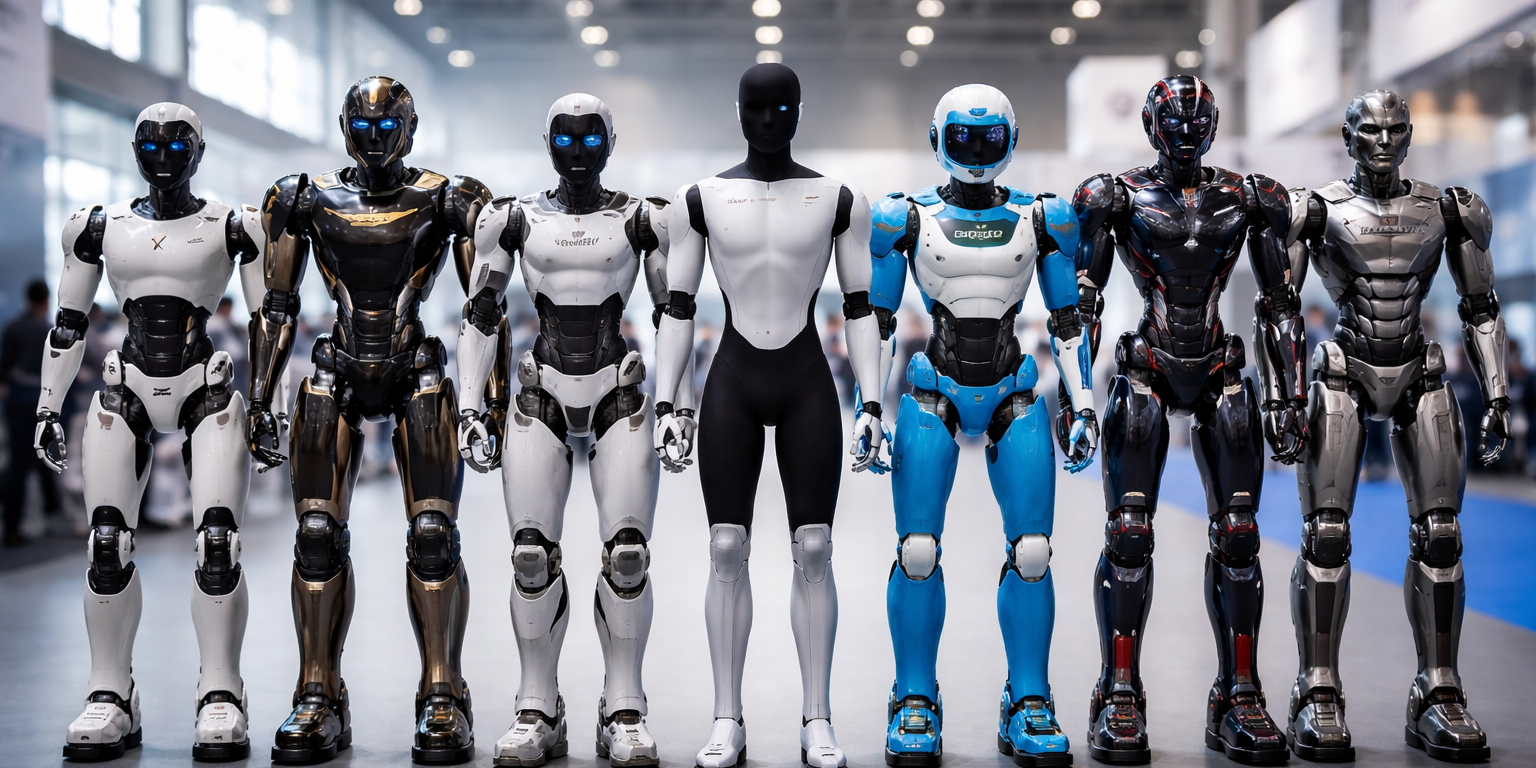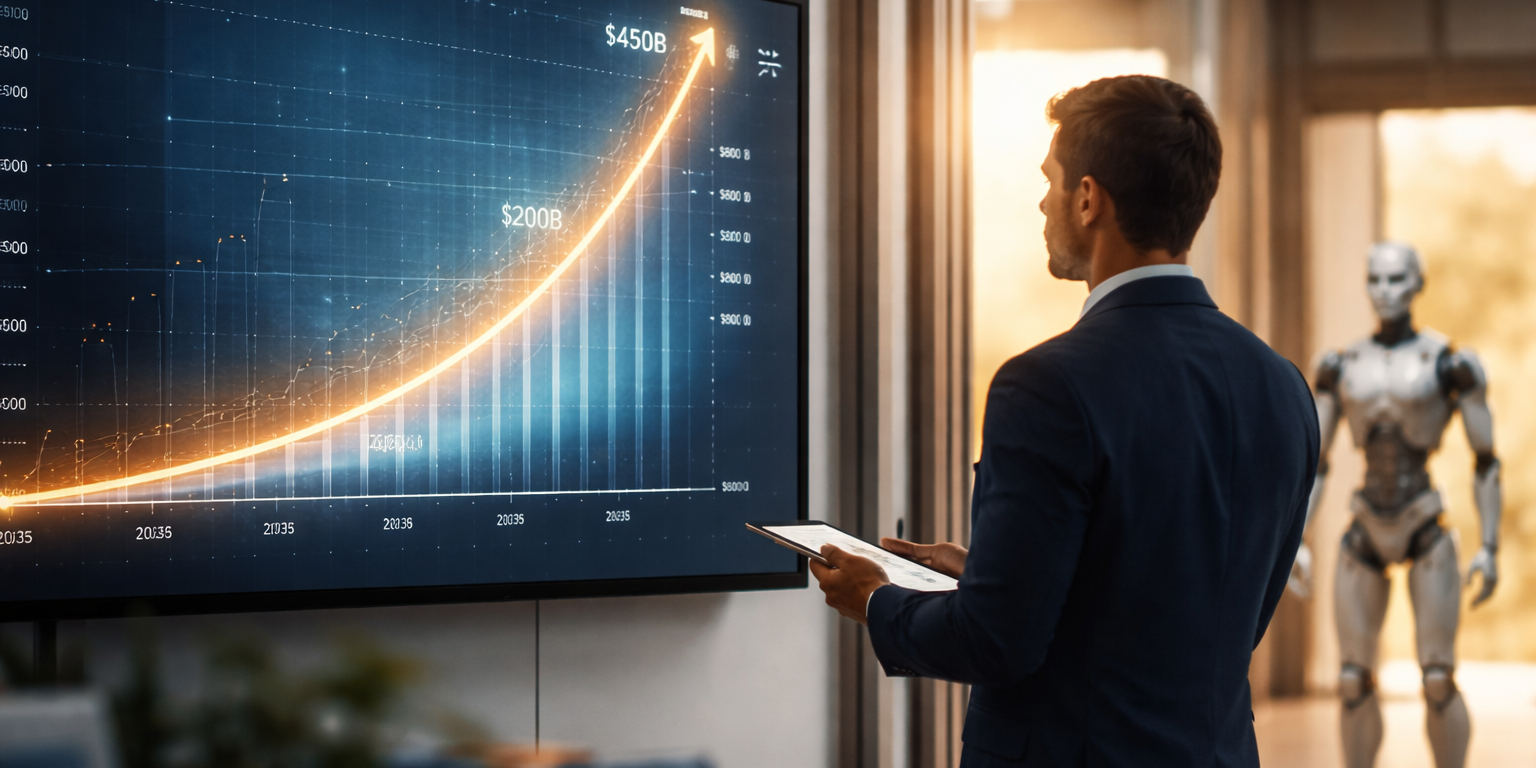
The humanoid robot sector will expand at 28.1% annually through 2035, reaching $50.27 billion in total market value, up from $5.41 billion this year. MarketsandMarkets released the projection yesterday, marking one of the most bullish forecasts yet for bipedal machines in commercial settings. The research firm based its analysis on deployment pipelines from manufacturers including Tesla, Figure AI, Agility Robotics, and Unitree, alongside adoption trends in warehousing, assembly lines, and elder care facilities. The growth rate outpaces earlier estimates from Goldman Sachs and BCG, both of which projected compound annual growth in the low twenties. The difference hinges on how quickly companies can bring unit costs below $25,000 while maintaining payload capacities above 20 kilograms and runtime exceeding eight hours per charge.
Three factors converge to support the forecast. First, electric actuator costs have dropped 40% since 2024, driven by volume production for electric vehicles and improved motor control algorithms. Boston Dynamics, Sanctuary AI, and Apptronik have all reported per-unit hardware costs declining faster than internal roadmaps anticipated. Second, foundation models trained on embodied robotics data now enable manipulation tasks that required custom programming two years ago. Figure's commercial pilots at BMW and Unitree's deployments in Chinese electronics factories demonstrate that general-purpose humanoids can learn new tasks in days rather than months. Third, labor shortages in logistics, manufacturing, and healthcare have intensified since the pandemic, with unfilled positions in U.S. warehouses alone exceeding 800,000 as of June 2026. Warehouse operators paying $18 to $22 per hour for repetitive pick-and-place work can justify humanoid leasing costs of $3,000 to $5,000 per month if uptime exceeds 90%.
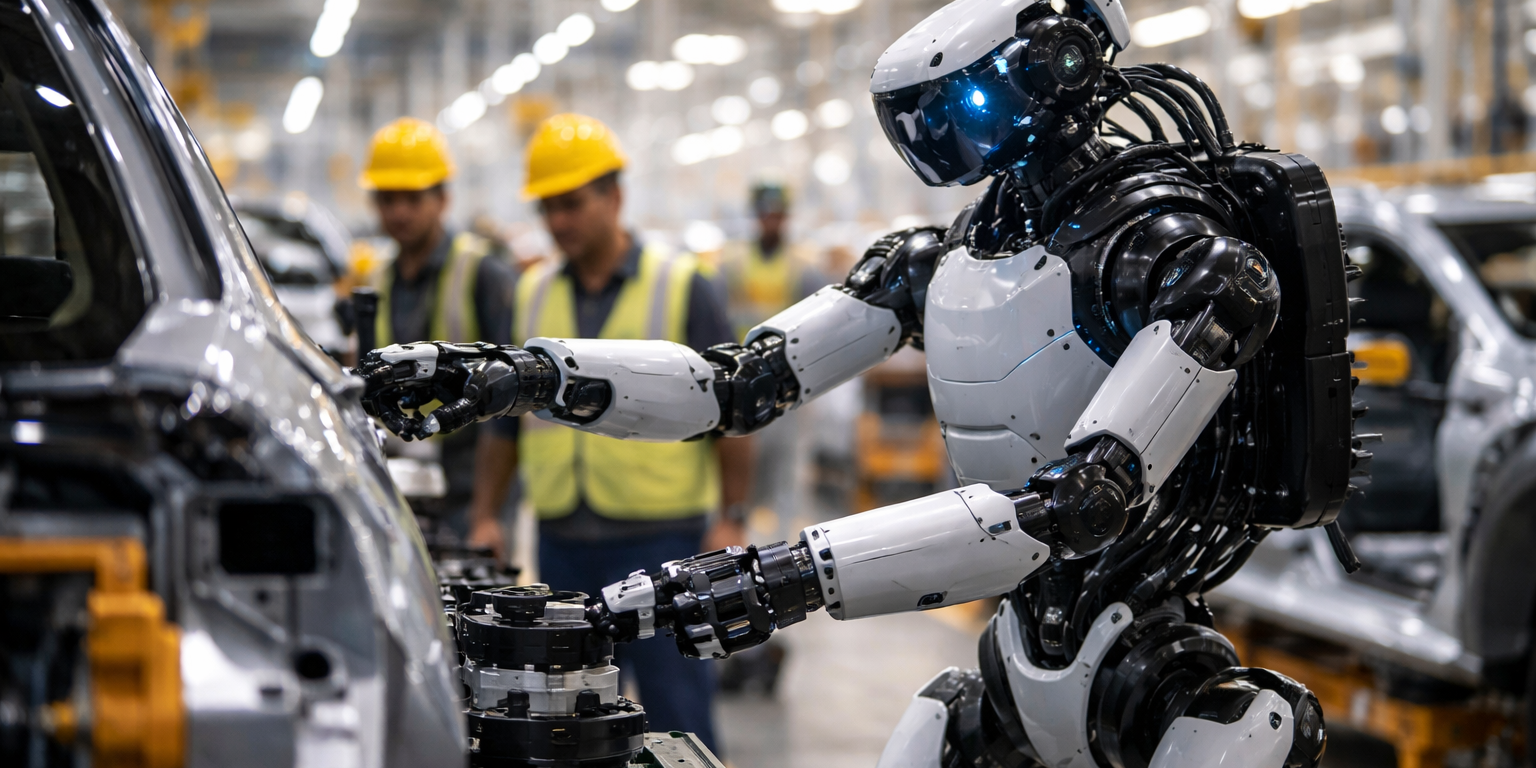
Manufacturing applications dominate near-term revenue projections, accounting for an estimated 58% of the 2026 market. Automotive assembly plants represent the highest-value use case, where humanoids slot into existing workflows designed for human workers without requiring conveyor redesigns or custom end effectors. Figure AI's partnership with BMW at the Spartanburg, South Carolina plant puts humanoids alongside human workers on door panel assembly and parts sorting. Tesla expects to deploy Optimus units internally at its Texas and Nevada facilities before the end of this year, though the company has not disclosed whether those robots will generate external revenue or remain R&D assets. Agility Robotics ships Digit units to third-party customers at a rate exceeding 50 per quarter, primarily for warehouse automation and logistics applications. The company opened a 70,000-square-foot manufacturing facility in Salem, Oregon in late 2025 designed to produce more than 10,000 units annually once fully operational.
Healthcare and service sectors trail manufacturing in current deployments but show the steepest growth curves in MarketsandMarkets' model. Japan and South Korea have accelerated trials of humanoid assistants in elder care facilities, where staff shortages exceed 15% of required headcount. Humanoids handle patient transport, medication delivery, and mobility assistance for residents with limited independence. The robots operate under remote supervision rather than full autonomy, with human caregivers monitoring multiple units via teleoperation interfaces. Labor economics favor humanoids in markets where healthcare worker wages exceed $35 per hour and regulatory frameworks permit robots in patient care roles. Retail and hospitality applications remain largely experimental, with pilots at hotels in Las Vegas and shopping centers in Dubai generating media attention but limited revenue. The challenge lies in unstructured environments where navigation, object recognition, and social interaction all must function reliably. Hospitality robots from companies like Promobot and SoftBank Robotics operate on wheels rather than legs, avoiding the complexity and cost of bipedal locomotion while achieving similar functionality for most service tasks.
What to Watch: Monitor Tesla's Optimus deployment timeline at its Texas Gigafactory, where internal use could validate humanoid reliability in high-volume manufacturing. Track Figure AI's next automotive partnership announcements following the BMW deal, particularly whether Toyota or Volkswagen commit to multi-year humanoid trials. Watch for unit cost disclosures from Agility Robotics and Unitree in Q3 and Q4 2026 earnings calls or product launches, as pricing below $30,000 would accelerate adoption across mid-sized warehouses and regional logistics providers.