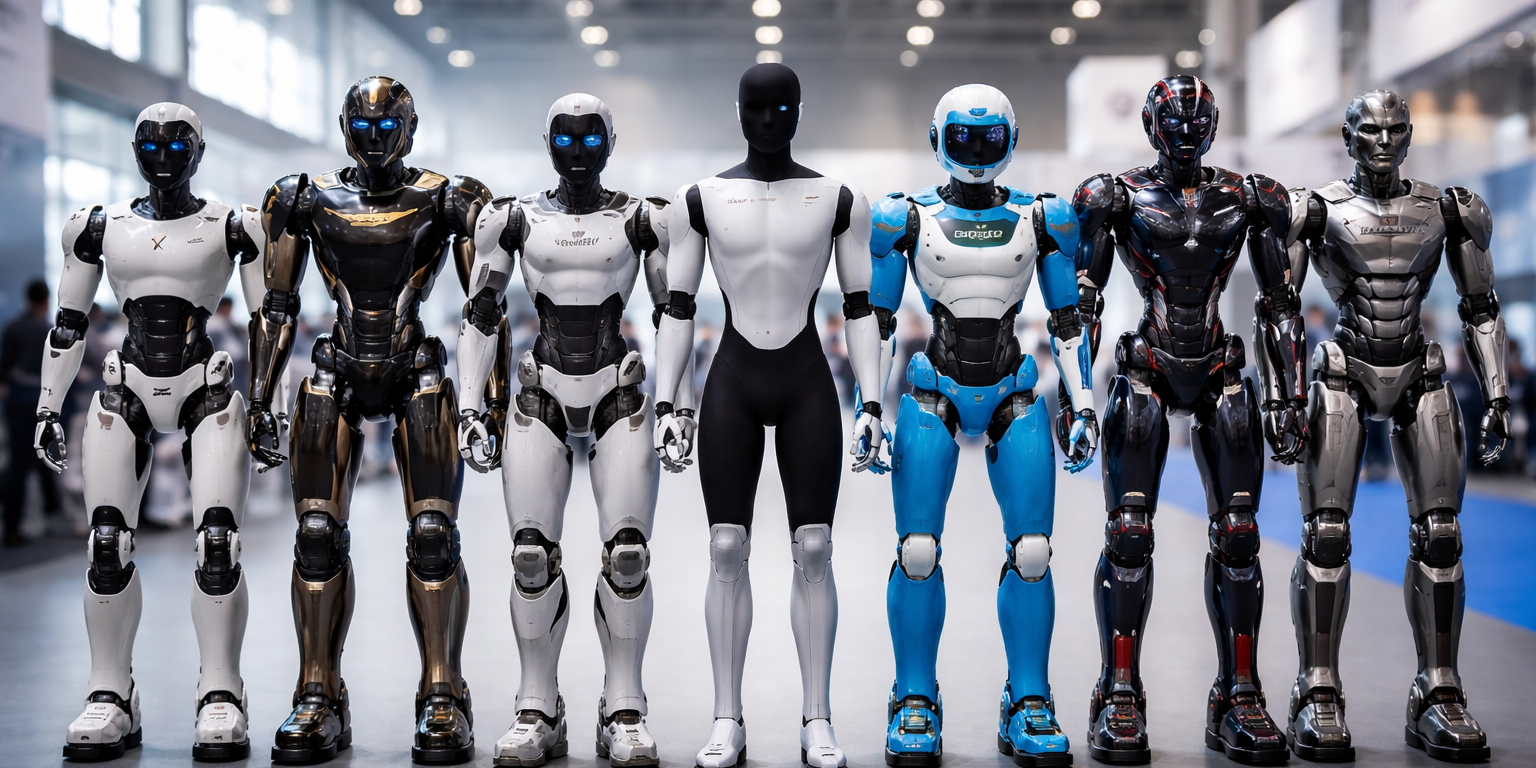

The humanoid robot market will multiply nearly tenfold over the next nine years, according to market research released this week by MarketsandMarkets. The Delray Beach, Florida-based firm projects the sector will expand from $5.41 billion in 2026 to $50.27 billion by 2035, representing a compound annual growth rate of 28.1%. That rate exceeds the firm's projections for collaborative robots (22.3%), autonomous mobile robots (24.7%), and service robots broadly (19.4%), making humanoids the fastest-growing category in the commercial robotics landscape. The timing of the report coincides with a wave of manufacturing commitments from established players and well-capitalized startups, many of whom have announced production targets for late 2026 or 2027. Whether those targets translate into deployments at scale remains the central question for investors evaluating the sector.
The growth projection reflects two simultaneous shifts in the robotics industry. First, hardware costs have compressed dramatically. Actuators, vision systems, and compute modules that cost $80,000 per unit in 2023 now run closer to $30,000, driven largely by automotive suppliers entering the space with volume manufacturing capacity. Second, foundation models for robotic manipulation have matured faster than most observers anticipated. Companies including Figure AI, Sanctuary AI, and Apptronik have demonstrated that large language models can be adapted for physical task execution with far less domain-specific training data than previous approaches required. The convergence of cheaper hardware and more capable software has opened use cases that were economically unviable 24 months ago. Warehouse logistics, light manufacturing assembly, and eldercare assistance now appear within reach for humanoid platforms priced between $50,000 and $150,000 per unit.
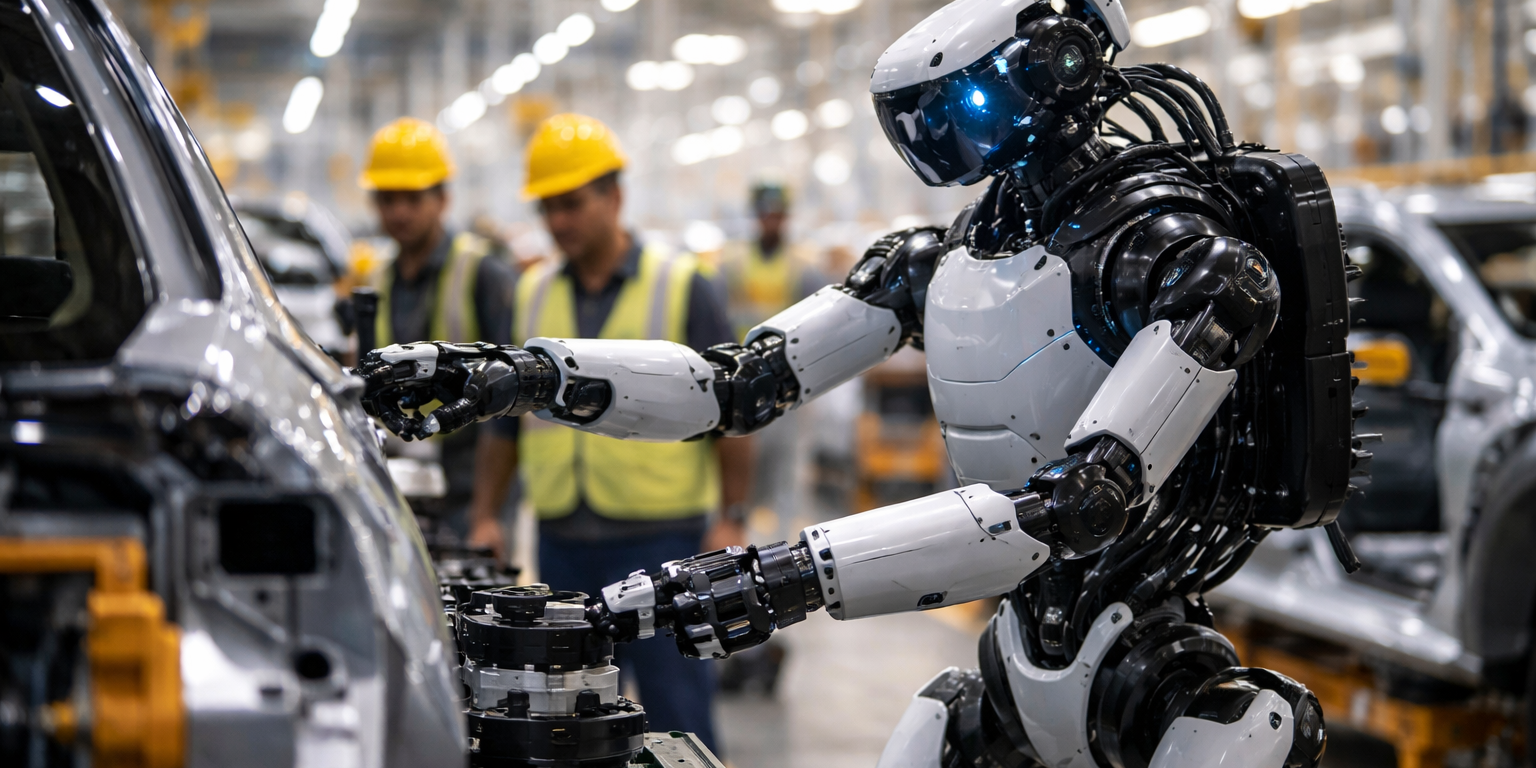
MarketsandMarkets did not disclose the specific verticals or geographies driving its forecast, but recent deployment announcements offer clues. Mercedes-Benz confirmed in May 2026 that it will pilot Apptronik's Apollo robot at its Spartanburg, South Carolina assembly plant beginning in the fourth quarter of this year, focusing initially on parts kitting and quality inspection tasks. BMW has committed to testing Figure AI's Figure 02 platform at its Spartanburg facility, with plans to expand to European plants if early trials meet productivity benchmarks. In logistics, Amazon has deployed a small fleet of Agility Robotics' Digit units at fulfillment centers in Texas and Tennessee, handling tote movement and trailer unloading. These pilots remain limited in scope—dozens of units, not hundreds—but they represent the first sustained commercial use of bipedal humanoids in high-volume industrial environments. The question is not whether humanoids can perform useful work, but whether they can do so reliably enough and cheaply enough to justify capital expenditures in an environment where traditional automation options exist.
The MarketsandMarkets forecast assumes significant cost reductions and capability improvements over the next nine years. Current-generation humanoids from Figure, Sanctuary, Apptronik, and 1X cost between $100,000 and $250,000 per unit when factoring in hardware, software subscriptions, and integration services. For humanoids to achieve the market penetration implied by a $50 billion valuation, unit economics must improve by at least 50%, bringing total cost of ownership to a level competitive with incumbent automation technologies. That requires advances in battery energy density, actuator power-to-weight ratios, and sensor fusion algorithms, none of which are guaranteed on the timeline the market research assumes. Tesla's Optimus program, which Elon Musk claims will produce units for under $20,000 at volume, could accelerate the timeline if the company meets its production targets. But Tesla has not disclosed when it will begin external sales or whether early units will be allocated to automotive production or sold to third parties. The company's track record on robotics timelines is mixed at best.
The market research arrives as venture capital investment in humanoid robotics has cooled from the frenzy of late 2023 and early 2024. Figure AI's $675 million Series B in March 2024, which valued the company at $3.2 billion, marked the high-water point for the sector. Since then, funding rounds have been smaller and valuation multiples have compressed. Investors are shifting from backing pure-play hardware companies to those with defensible software moats or exclusive partnerships with large industrials. Sanctuary AI's partnership with Magna International, announced in January 2026, is the model many investors now prefer: a robotics company with a committed customer and a path to volume production through an established manufacturer. The humanoid robot market may well reach $50 billion by 2035, but the distribution of that value among today's startups is far from settled. The next 18 months will likely see consolidation as companies with functioning supply chains and commercial traction absorb competitors who burned capital on prototypes but failed to secure purchase orders.
What to Watch: Mercedes-Benz and BMW are expected to release initial performance data from their Apptronik and Figure AI pilots by the end of 2026, which will provide the first public benchmarks on uptime, task success rates, and return on investment for automotive applications. Tesla has indicated it will provide an Optimus production update during its annual shareholder meeting, likely in the fourth quarter of 2026. Watch for clarification on unit pricing, production volume, and whether the company intends to sell externally or reserve output for internal use. Several humanoid startups are expected to announce Series B or Series C funding rounds in the coming months, and valuation multiples will signal whether investor sentiment is stabilizing or continuing to contract.