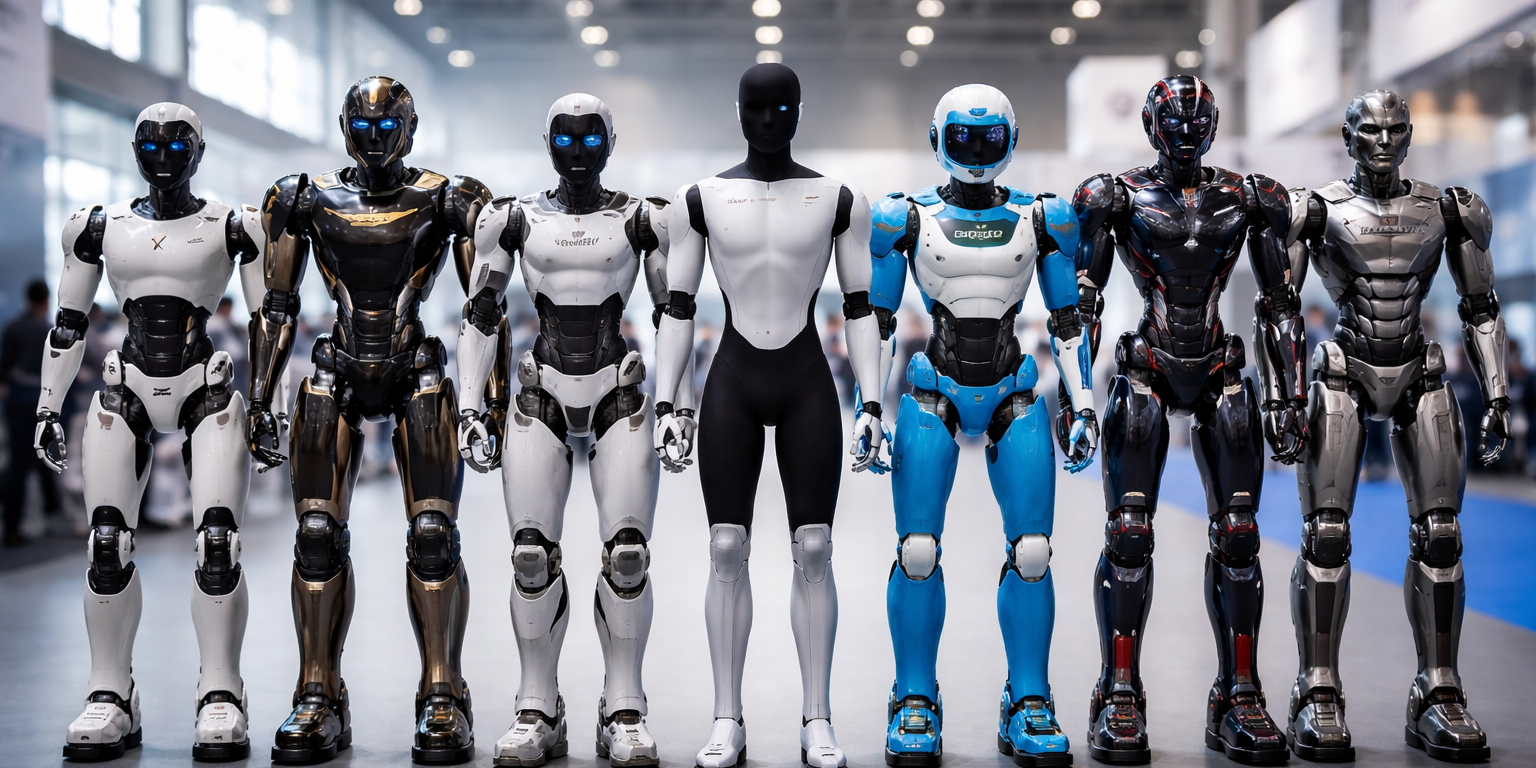
Three humanoid robot manufacturers released footage and technical details within days of each other, each showcasing a different aspect of the physical intelligence stack required for commercial deployment. The timing appears coincidental, but the substance reveals where development resources have concentrated over the past eighteen months: not on making robots look more human, but on making them handle objects reliably in unstructured environments.
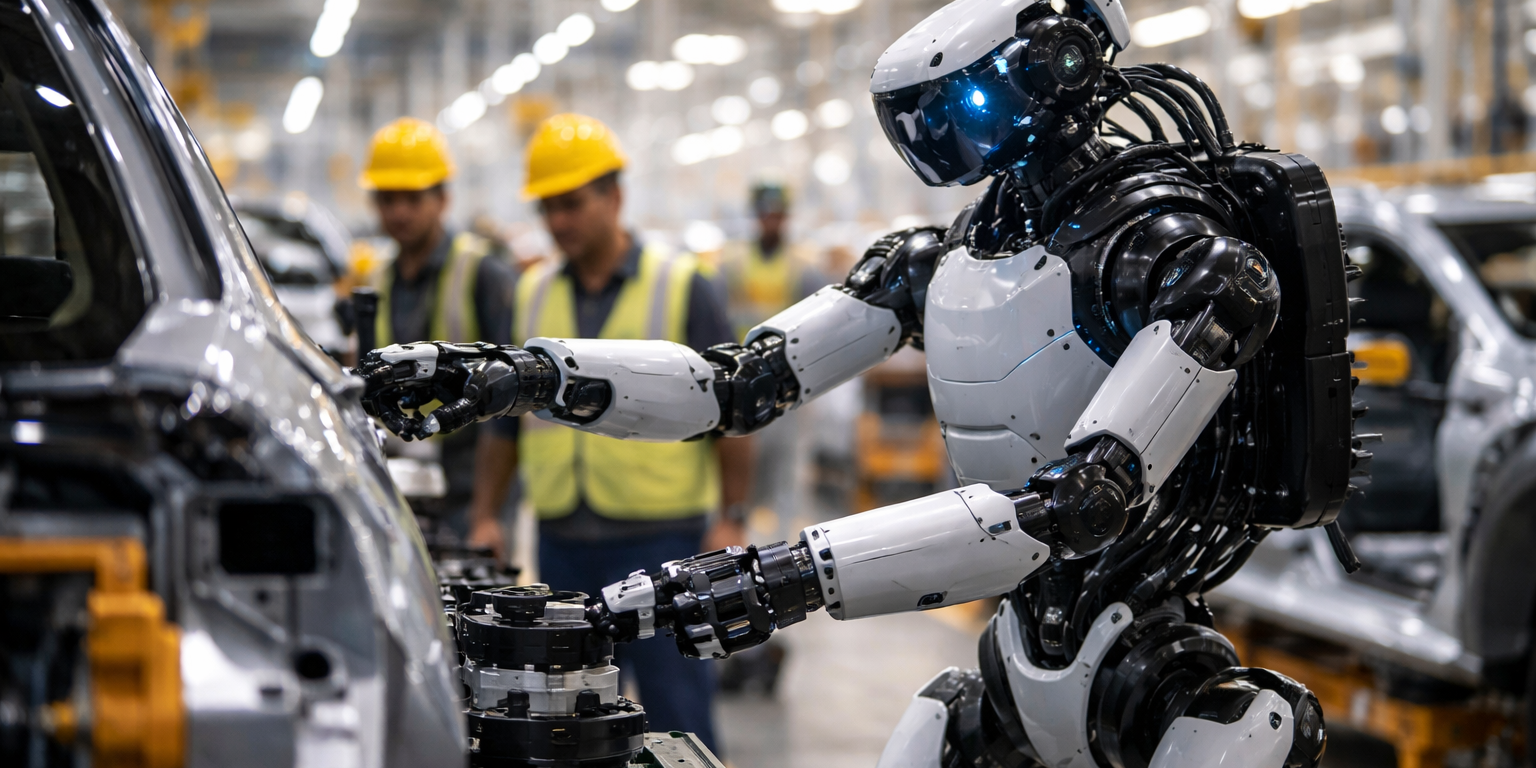
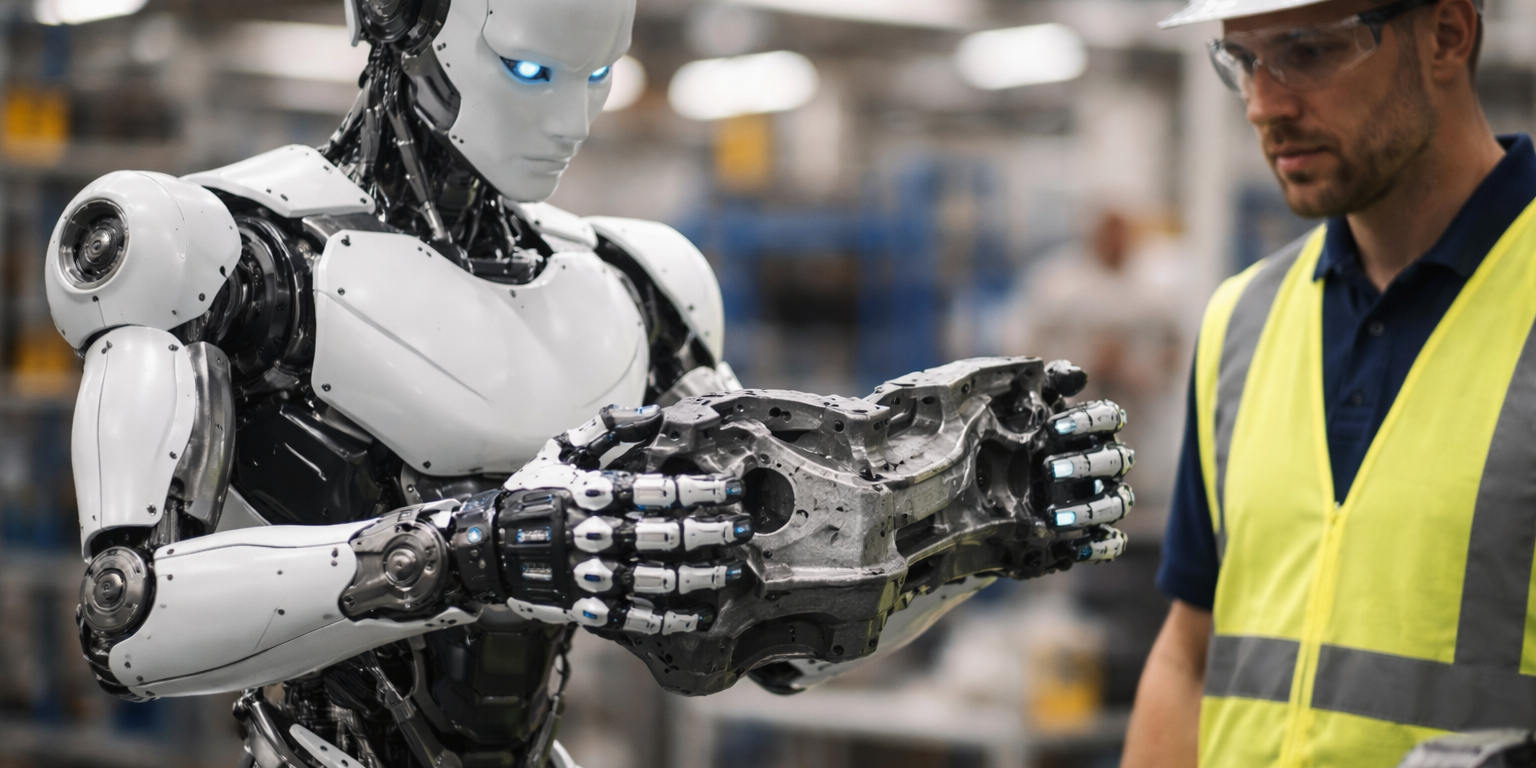
One manufacturer demonstrated a humanoid designed specifically for safe physical interaction with human workers. The machine incorporates distributed tactile sensors across its outer shell, allowing it to modulate grip force and respond to incidental contact without requiring emergency stops. Another company released video of its platform performing complex object manipulation tasks in a factory setting, using vision and force feedback to adapt grip strategies in real time. A third showed a humanoid navigating a warehouse environment while carrying asymmetric loads, maintaining balance through what the company described as dynamic stability algorithms running at sub-millisecond latency. None of the three named specific customers or deployment timelines, but all three emphasized that the demonstrations occurred in active industrial facilities rather than controlled laboratory spaces.
The technical emphasis across all three demonstrations centered on what researchers call embodied AI: the ability to perceive the physical world through sensors, predict the outcome of actions, and adjust behavior based on tactile and visual feedback. This represents a shift from earlier humanoid development, which prioritized bipedal locomotion and human-like range of motion. Engineers familiar with the manufacturing use cases these robots target have long argued that reliability in object manipulation matters more than anthropomorphic appearance. A robot that consistently picks, places, and manipulates objects across varying shapes, weights, and surface textures solves actual production bottlenecks. A robot that simply looks human does not. The companies demonstrating this week appear to have absorbed that lesson, dedicating computational resources and sensor arrays to tasks like adaptive grasping, collision avoidance during arm movement, and real-time force modulation.
The broader competitive landscape includes at least a dozen well-funded humanoid ventures, several backed by automotive manufacturers interested in applying these platforms to assembly line work. Investment dollars have tracked the maturation curve: early-stage funding focused on hardware and basic mobility, while recent rounds have emphasized software architecture and sensor integration. The companies showing progress this week did not disclose engineering headcount or development budgets, but job postings and patent filings suggest teams of 80 to 150 engineers working on perception, control systems, and simulation environments. The fact that multiple teams reached similar demonstration milestones in the same quarter indicates either shared technical roadmaps or parallel evolution driven by the same set of industrial requirements. Factories need robots that can work safely alongside people, handle objects without damaging them, and adapt to layout changes without reprogramming. The demonstrations addressed those requirements directly.
What to Watch: Track whether any of the three companies demonstrating this week name pilot customers or disclose unit economics before the end of Q3 2026. Monitor job postings for roles in manufacturing engineering and field deployment, which would signal a shift from R&D to commercialization. Watch for announcements from automotive OEMs, which have been evaluating humanoid platforms for final assembly and logistics tasks but have not yet committed publicly to specific vendors or deployment schedules.