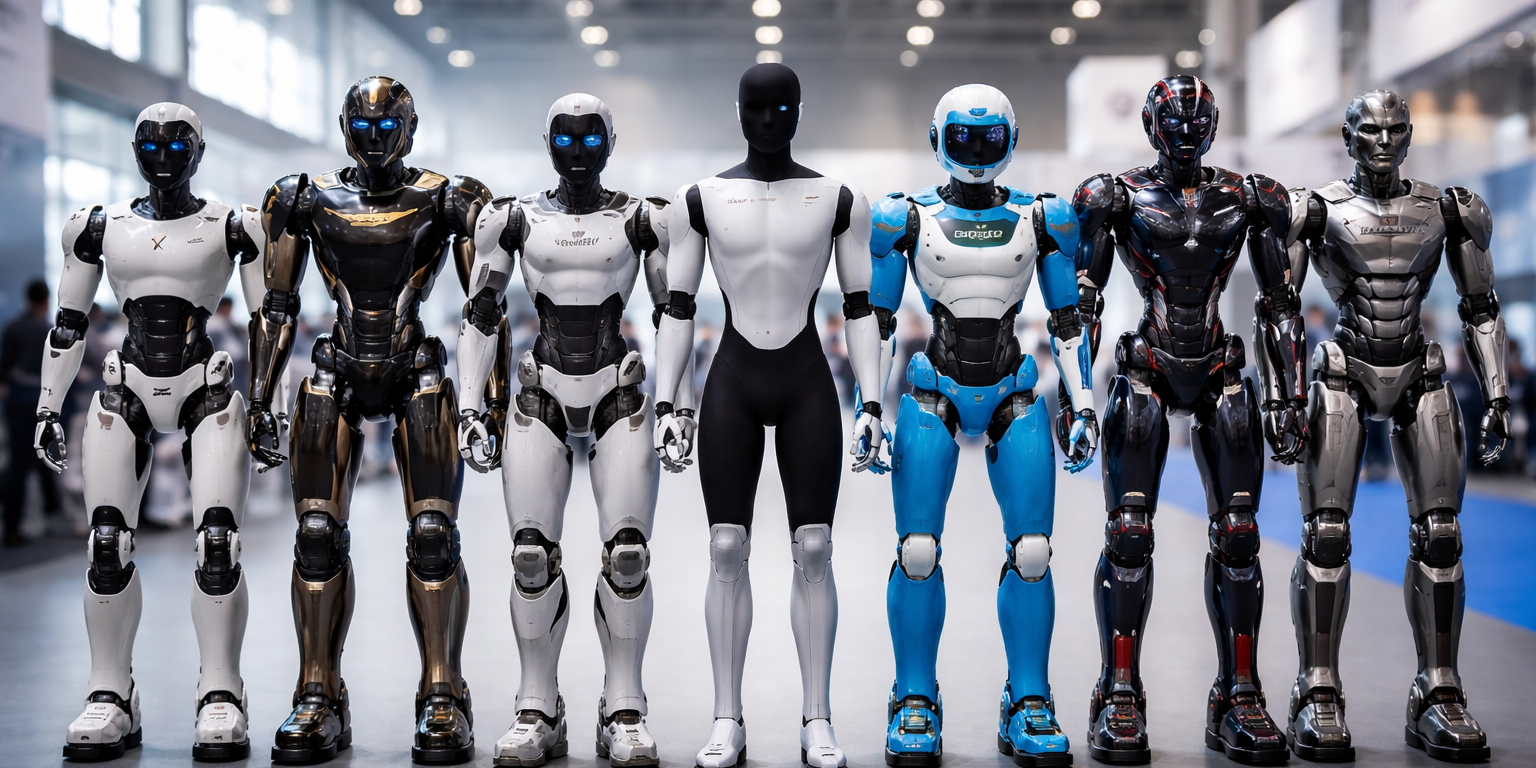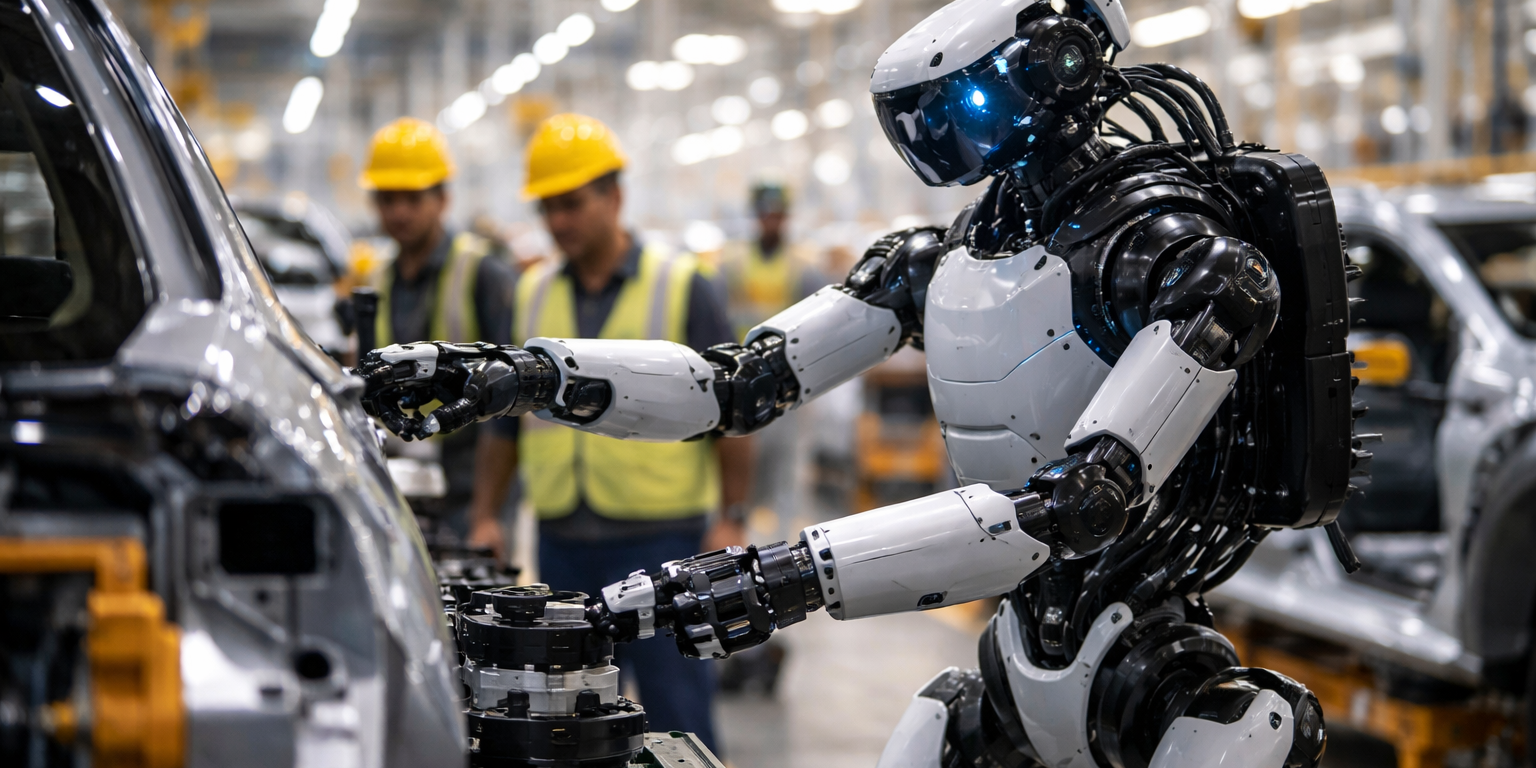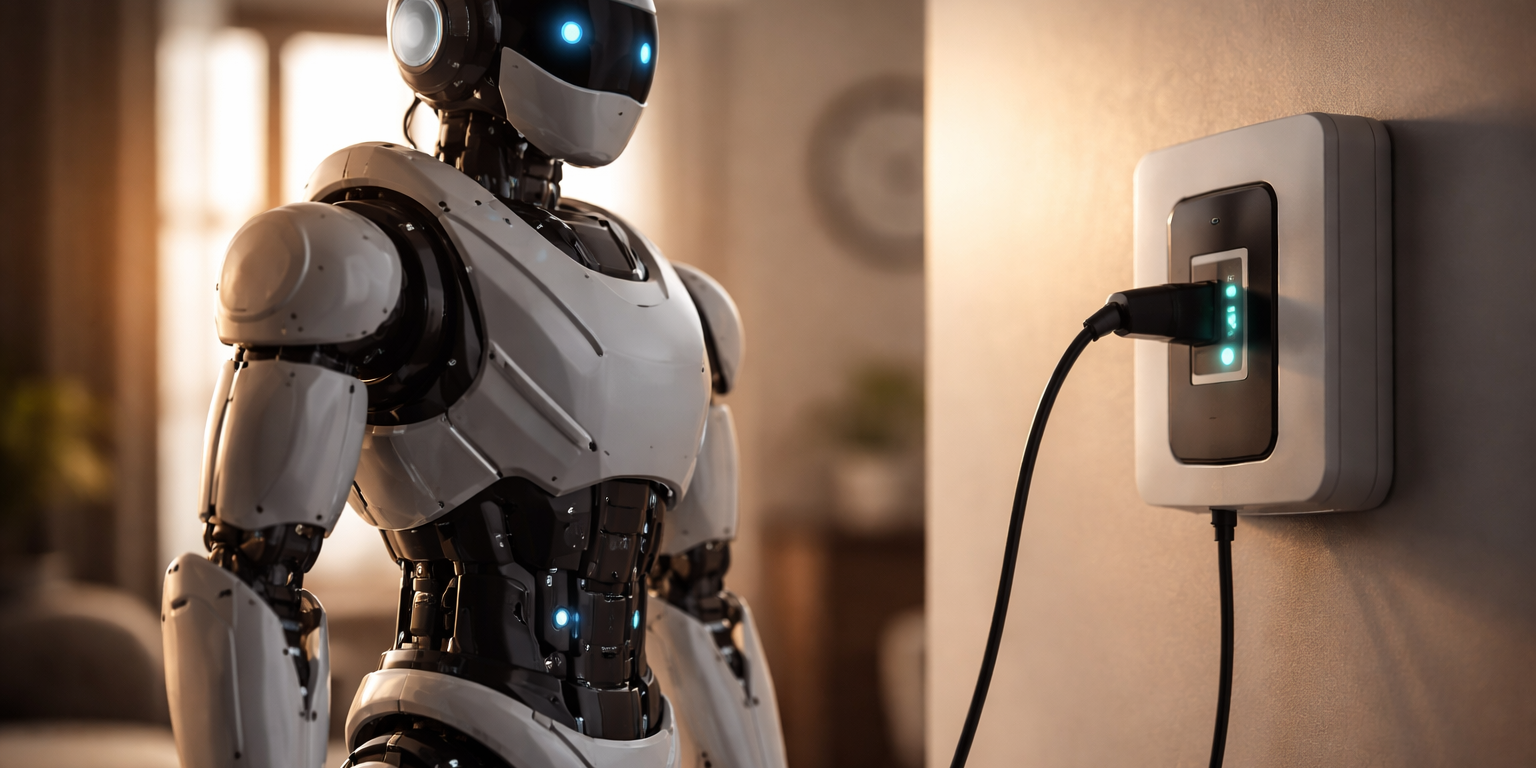
A 990,000 yuan humanoid that requires recharging every two to four hours has become the latest flashpoint in a brewing industry debate over what constitutes practical runtime for human-scale robots. UBTECH Robotics, the Shenzhen-based developer, confirmed the battery specification for its U1 Ultra model after online criticism questioned whether the platform could handle extended deployments. The company's response frames the two-to-four-hour window as typical for current full-size humanoid hardware, a characterization that puts commercial readiness claims from multiple vendors under fresh scrutiny.
The U1 Ultra represents UBTECH's entry into the premium humanoid segment. At $146,000, the male-configured model targets institutional buyers and high-net-worth early adopters rather than mass-market consumers. UBTECH positions the robot for household assistance, eldercare monitoring, and light physical tasks, applications where overnight autonomy would seem foundational. Critics online seized on the battery limitation after promotional materials emphasized 24-hour operational capabilities without clarifying that multiple charge cycles would be required. The gap between marketing language and technical reality has amplified questions about whether humanoid developers are overpromising on deployment scenarios their hardware cannot yet support.
UBTECH's public acknowledgment that two-to-four-hour runtimes reflect industry norms is significant. The company indicated that power management remains a fundamental constraint across full-size humanoid platforms, shaped by the physics of battery energy density and the power draw of actuators, compute systems, and mobility algorithms running continuously. A humanoid standing six feet tall and weighing 60 to 80 kilograms demands substantially more energy per hour than wheeled robots or stationary manipulators. Walkers and balance systems alone consume meaningful current, before factoring in vision processing, motor control, and any payload the robot carries or manipulates. Battery technology has not kept pace with the mechanical and computational advances that make humanoid locomotion viable, leaving platforms dependent on frequent recharging or tethered power in many real-world contexts.
The runtime disclosure arrives as Chinese robotics firms accelerate consumer-facing humanoid launches, a strategic contrast to the industrial-first approach favored by U.S. companies like Figure AI and Apptronik. UBTECH joins Unitree, Fourier Intelligence, and EX Robots in marketing humanoids directly to households and small institutions, betting that early revenue from premium buyers will fund the iteration cycles needed to reach true mass-market readiness. That strategy hinges on managing customer expectations around current limitations while demonstrating enough capability to justify five- and six-figure price tags. Battery life becomes a litmus test. Two hours of autonomous operation might suffice for demonstration purposes or narrowly scoped tasks, but it falls short of the eight-to-twelve-hour workday standard that would make humanoids credible substitutes for human labor in commercial environments. For home deployment, the value proposition becomes even murkier if the robot must return to a charging station multiple times per day, limiting spontaneous utility.
The broader industry is watching how UBTECH and its peers navigate this gap. Energy density improvements in lithium-ion and solid-state batteries are incremental, unlikely to deliver order-of-magnitude gains in humanoid runtime without corresponding advances in power-efficient actuators and compute architectures. Some developers are exploring modular battery systems that allow hot-swapping during operation, while others investigate dynamic charging methods where robots autonomously dock when battery thresholds are reached. Neither solution eliminates the core constraint. Extended autonomy will require holistic system optimization, balancing weight, power draw, and task demands in ways that current platforms have not yet achieved. UBTECH's transparency about the two-to-four-hour reality may reset buyer expectations across the sector, forcing competitors to clarify their own performance envelopes and prompting more honest conversations about what humanoid robots can reliably deliver in 2026 versus what remains aspirational.
What to Watch: Monitor whether UBTECH releases extended-battery configurations for the U1 Ultra by Q4 2026 or deploys software updates that extend runtime through power optimization. Track public runtime specifications from Fourier Intelligence's GR-2 and Unitree's H1 models as direct comparisons emerge. Watch for institutional buyers, particularly in eldercare and hospitality, to publish real-world deployment data that validates or contradicts vendor runtime claims over the next six months.