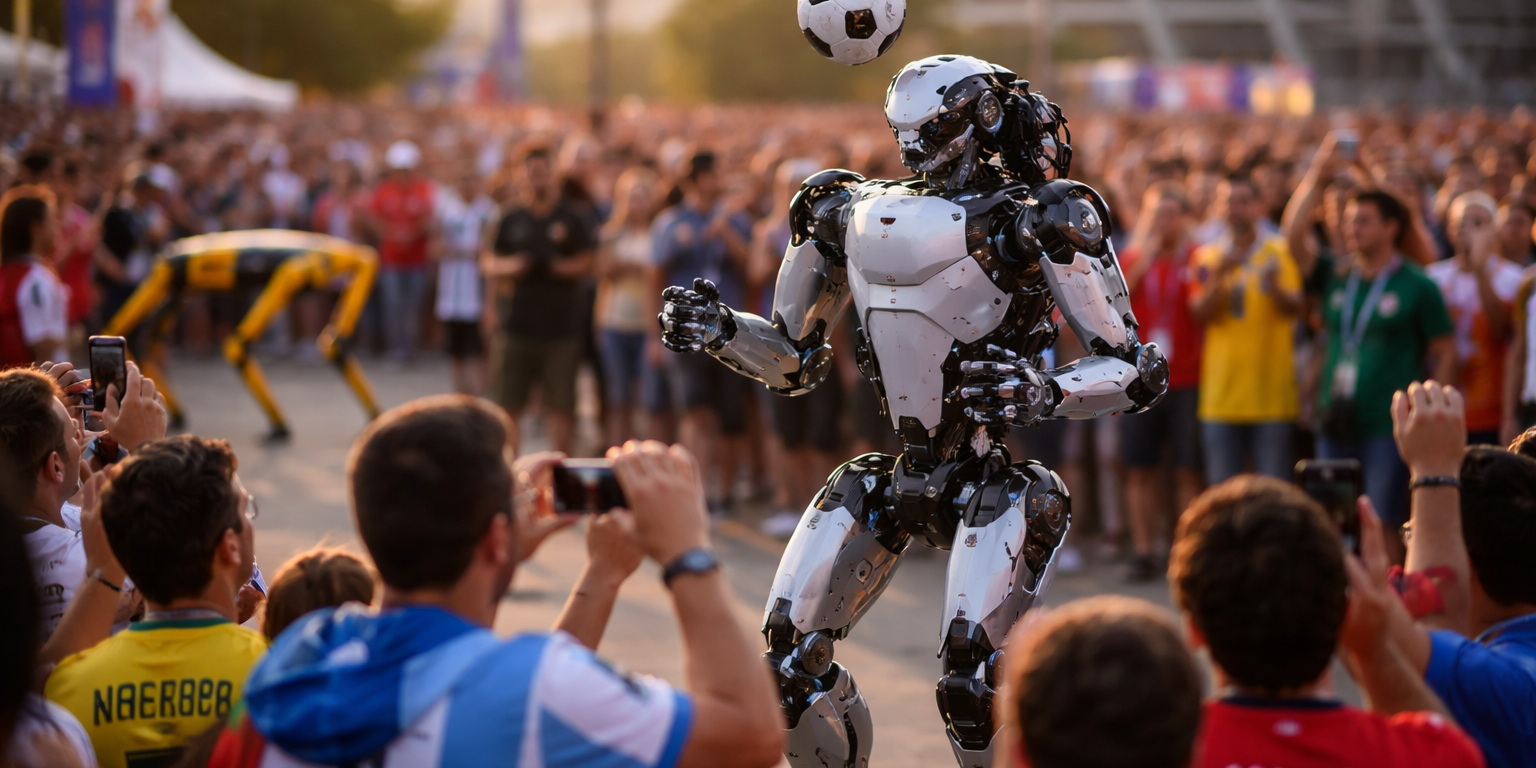
The electric Atlas humanoid is juggling soccer balls at FIFA World Cup stadiums across North America this month. Boston Dynamics confirmed the deployment June 28, three weeks into the tournament, positioning both Atlas and its Spot quadruped at multiple venues under a collaboration with majority owner Hyundai Motor Group, the official mobility partner for the 2026 World Cup. Spot units patrol stadium perimeters and parking areas at venues in Mexico City, Toronto, and East Rutherford, New Jersey. Atlas appears in designated fan zones, executing programmed routines that include retrieving balls, stacking equipment, and performing coordinated movements set to music. The work represents the most public showing yet for the electric Atlas platform, which Boston Dynamics revealed April 17 after retiring its hydraulic predecessor. That announcement followed the hydraulic Atlas retirement video by one day, a sequencing that generated significant industry attention for what the Waltham, Massachusetts company called a complete redesign around electric actuation.
Hyundai acquired an 80 percent stake in Boston Dynamics from SoftBank for $880 million in June 2021, retaining SoftBank's 20 percent interest in the robotics firm. The automaker has since integrated Boston Dynamics technology into factory automation pilots and materials handling tests at its Ulsan, South Korea manufacturing complex. Those trials focused primarily on Spot, which Hyundai began testing for quality inspection tasks in November 2021. The World Cup deployment extends that relationship into brand marketing territory, a shift from the industrial focus that has defined most Boston Dynamics commercial work since Spot began shipping in June 2020. Marc Raibert, Boston Dynamics founder and current executive advisor, appeared alongside Hyundai executives at a June 14 press conference in Mexico City, where he described the World Cup collaboration as "an opportunity to show these machines in a context where people can see them as helpful rather than intimidating." Hyundai has committed $400 million to robotics development through 2028, targeting both manufacturing automation and mobility services. Boston Dynamics represents the largest single piece of that investment.
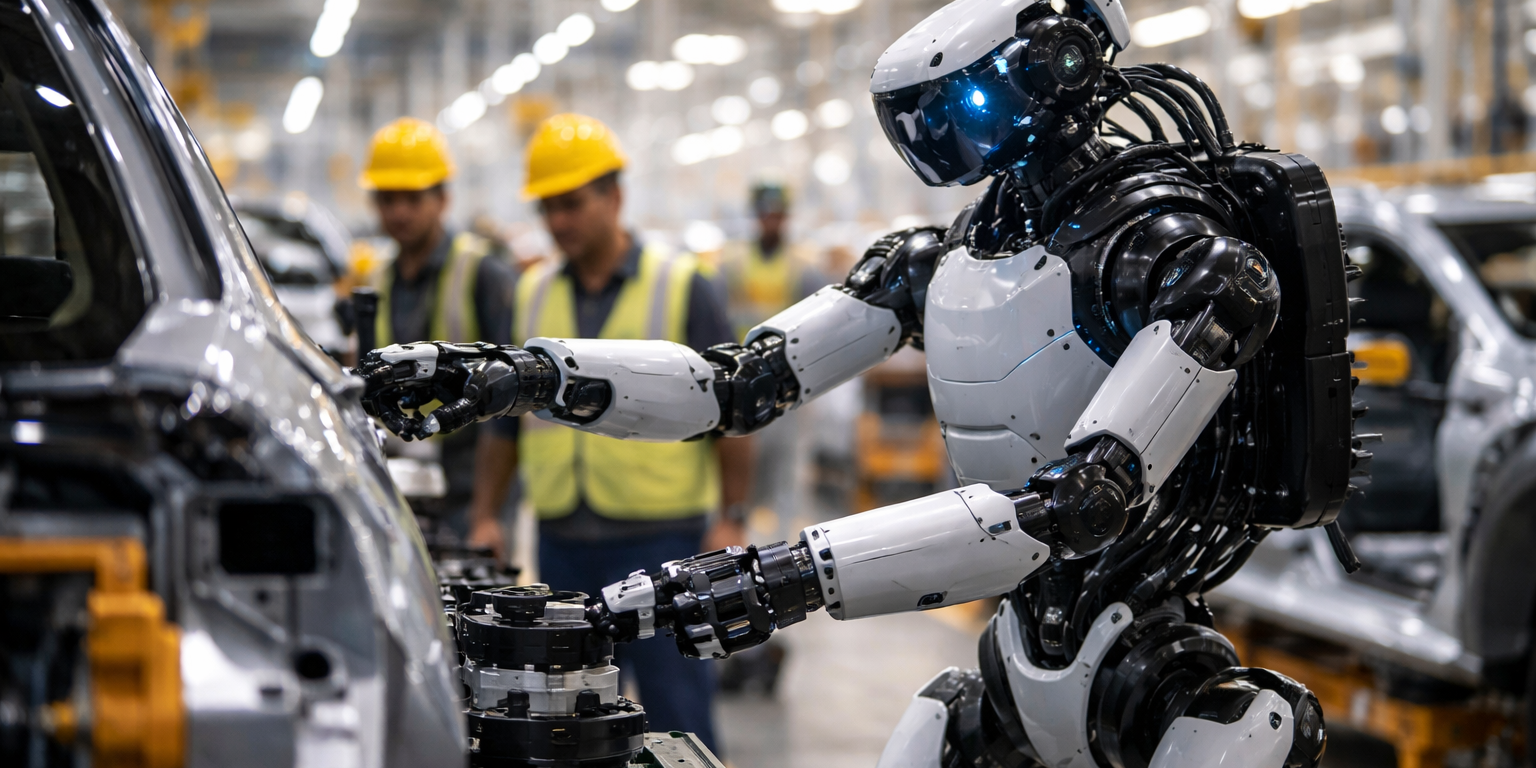
Atlas performed its World Cup demonstrations under supervision, with Boston Dynamics engineers present during each public appearance. The humanoid executed pre-programmed sequences rather than autonomous responses, a distinction the company emphasized in materials distributed to journalists at the June 14 event. The electric Atlas stands 1.5 meters tall and weighs approximately 89 kilograms, incorporating what Boston Dynamics describes as a new actuator design that eliminates the hydraulic pumps and fluid reservoirs that characterized the previous generation. The company has not disclosed power specifications, battery capacity, or continuous runtime figures for the electric platform. It has released only brief demonstration videos showing Atlas performing warehouse-style object manipulation, rotating storage bins, and navigating between workstations. No Atlas units have shipped to commercial customers. Boston Dynamics stated in April that it expects to begin pilot deployments with select partners in late 2026, focusing on automotive and logistics applications where Hyundai operates. Spot, by contrast, shipped its 1,000th unit in March 2024 and maintains active deployments across construction, energy, and public safety sectors.
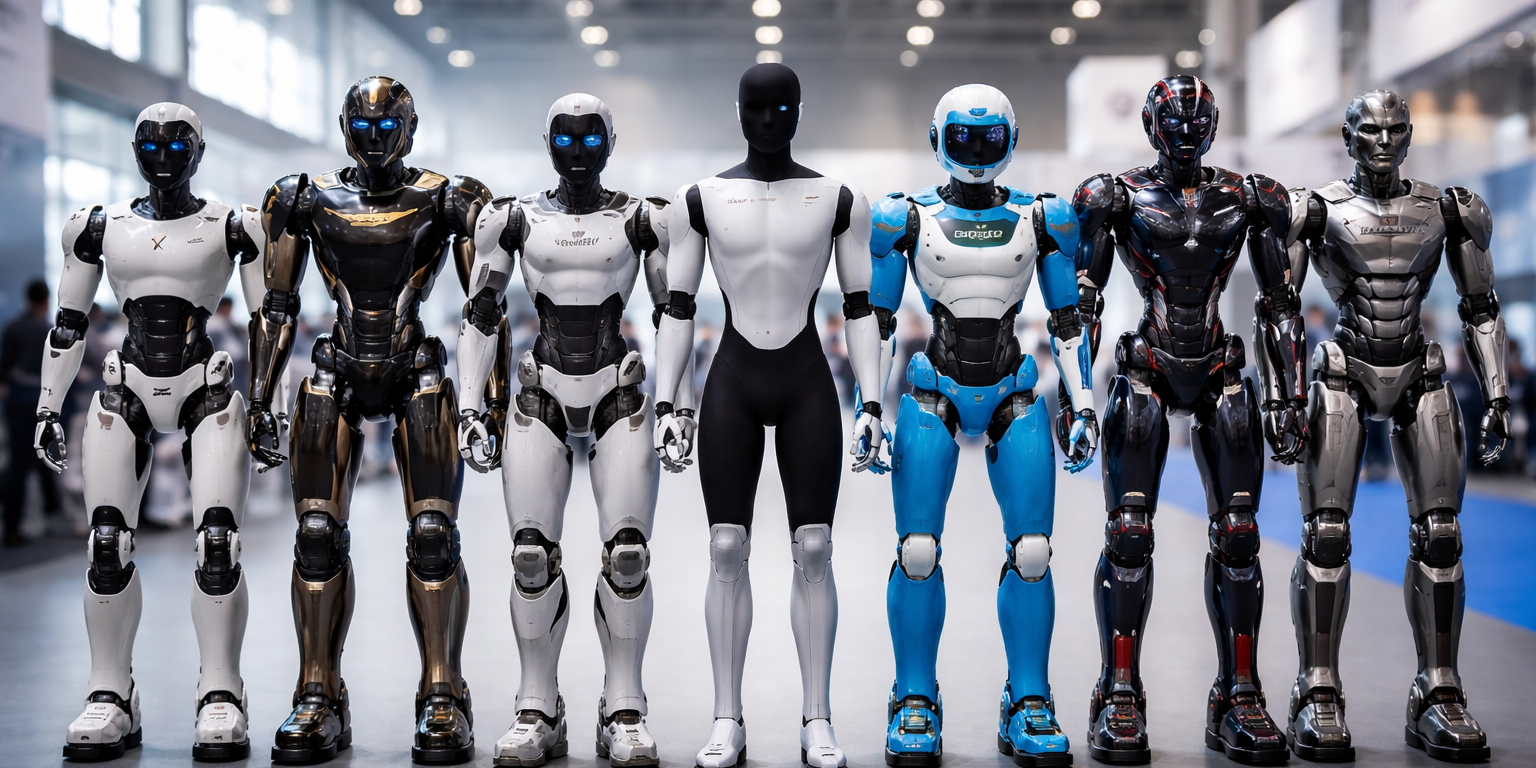
The World Cup work arrives as humanoid development accelerates across the robotics industry. Figure AI began commercial pilots of its Figure 02 humanoid at BMW's Spartanburg, South Carolina plant in January. Agility Robotics delivered multi-unit orders of its Digit humanoid to Amazon and GXO Logistics for warehouse testing. Sanctuary AI, Tesla, Apptronik, and at least six Chinese manufacturers have announced humanoid programs in the past 18 months. Most target logistics and manufacturing rather than public-facing roles, citing the technical and safety complexities of operating bipedal machines in uncontrolled environments. Boston Dynamics has not disclosed whether the World Cup deployment will inform Atlas product development or whether Hyundai plans similar brand-focused robot appearances. The company continues to generate most revenue from Spot, which leases for $74,500 per unit under a standard two-year enterprise agreement. Stretch, the mobile warehouse robot Boston Dynamics announced in March 2021, entered pilot deployments with DHL Supply Chain and GAP Inc. in late 2023. Boston Dynamics reported 500 employees in its most recent disclosure and operates engineering centers in Waltham and Pittsburgh.
What to Watch: Boston Dynamics expects to name initial Atlas pilot partners before October, likely focusing on Hyundai facilities first. Spot deployments at energy and construction sites will indicate whether the World Cup publicity translates to commercial pipeline growth. Sanctuary AI and Figure AI both plan to ship additional humanoid units to automotive partners this quarter, creating a direct comparison point for Atlas capabilities once those pilots become public.