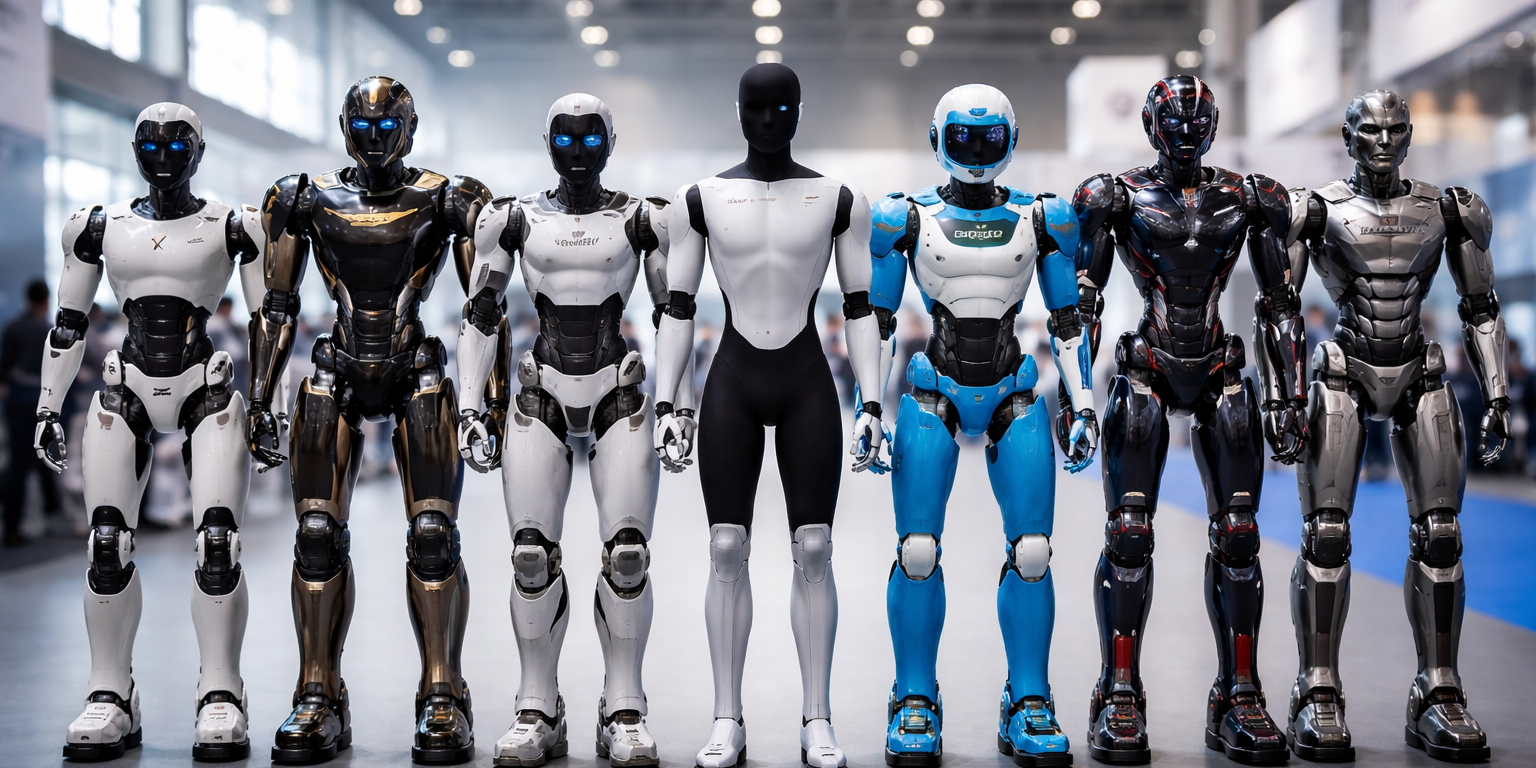
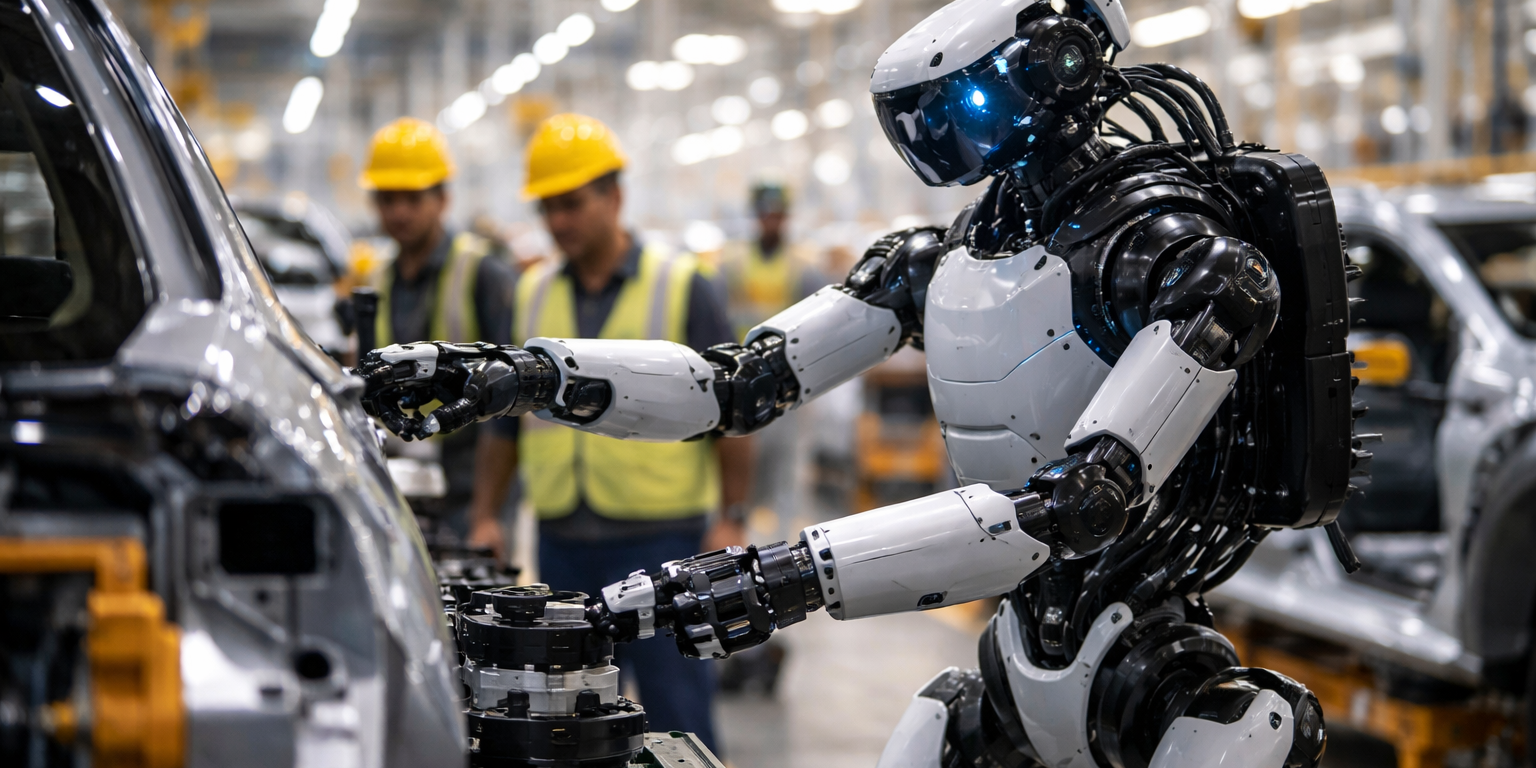
Contract manufacturers and component suppliers dominated the private conversations at a humanoid robotics gathering in Sunnyvale this month, signaling the industry's transition from laboratory demonstrations to industrial production challenges. Engineers who spent 2023 refining bipedal stability algorithms and sensor fusion systems now debate injection molding lead times and assembly line throughput rates. The technical questions that consumed earlier conferences—whether humanoid robots could perform warehouse tasks or maintain balance on factory floors—have been settled through live commercial deployments. Multiple companies arrived with videos of robots operating in customer facilities rather than controlled test environments. The shift reflects a compressed development timeline that moved several humanoid platforms from prototype to production in under 18 months.
The manufacturing capacity gap separates companies into distinct categories. Developers that locked in partnerships with established contract manufacturers six to nine months ago can reference specific production schedules and component delivery timelines. Their competitors still operating pilot production lines face longer paths to volume manufacturing. Actuator supply chains present particular constraints, with lead times stretching beyond six months for certain high-torque motors used in hip and knee joints. Three companies at the Sunnyvale event mentioned the same Taiwan-based actuator supplier, suggesting limited vendor options at the required specifications. Injection molded chassis components carry similar lead time challenges, especially for developers seeking automotive-grade durability standards. One engineer described shifting from aluminum extrusion to injection molding as requiring a complete redesign of load-bearing structures, adding four months to their production timeline. These manufacturing realities favor companies with prior experience scaling hardware products or those backed by investors willing to fund inventory risk.
The economics of humanoid production differ substantially from traditional industrial robots. A six-axis articulated arm contains perhaps 20 custom components beyond commercial motors and controllers. Humanoid platforms require 200-plus custom parts including specialized actuators, structural elements, and sensor housings. This complexity multiplies the coordination challenge across suppliers and assembly processes. Several companies discussed strategies to reduce part counts through integrated designs—combining structural and aesthetic functions in single molded pieces, or embedding sensors directly into limb segments rather than housing them separately. One developer outlined plans to drop their unique part count from 340 to 190 through redesign, anticipating a 30 percent reduction in assembly time. Quality control at volume emerged as another recurring concern. Unlike stationary industrial robots bolted to factory floors, humanoids must maintain calibration across dynamic movements and occasional impacts. Testing protocols that worked for tens of units require reimagining for thousands. Two companies described building dedicated test facilities separate from assembly lines, with instrumented floors and obstacle courses to validate each unit's performance before shipping.
The production focus carries strategic implications for smaller humanoid developers operating without deep capital reserves or manufacturing partnerships. Licensing software stacks to larger manufacturers presents one path forward—several companies in Sunnyvale mentioned interest in acquiring proven control systems and simulation environments rather than building proprietary versions. Acquisition by automotive suppliers or industrial equipment manufacturers offers another exit, particularly for teams with strong technical capabilities but limited manufacturing expertise. The alternative requires securing substantial funding to build production capacity, a difficult proposition given current capital markets. One company representative estimated requiring $150 million to reach 10,000 units annually, covering tooling costs, component inventory, and assembly infrastructure. That figure excludes ongoing R&D and sales operations. The capital intensity explains why several prominent humanoid developers have recently announced partnerships with Asian contract manufacturers rather than building dedicated facilities. These partnerships shift inventory risk and capital requirements while potentially limiting margin and control over production timelines. Companies choosing this path accept trade-offs between speed to market and long-term manufacturing independence. The decisions made over the next six months will likely determine which companies survive the transition from technology developers to industrial equipment manufacturers.
What to Watch: Track announcements of contract manufacturing partnerships and component supply agreements through Q2 2025, particularly for actuator and sensor suppliers. Monitor production volume claims from companies targeting warehouse and logistics deployments—actual delivered units versus announced pilot programs. Watch for acquisition activity as larger industrial equipment manufacturers assess build-versus-buy decisions for humanoid capabilities. Several automotive suppliers have quietly evaluated humanoid developers over the past quarter.