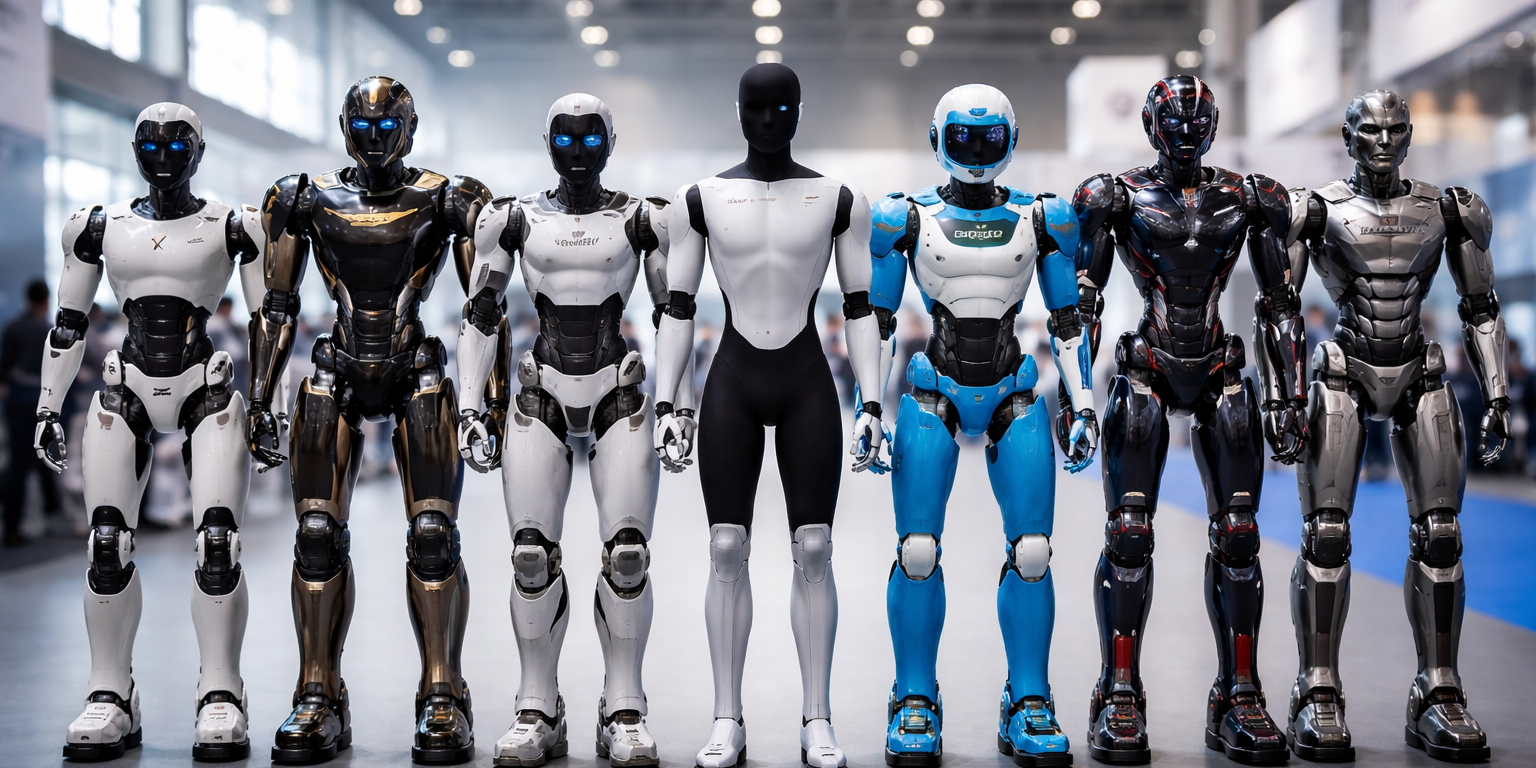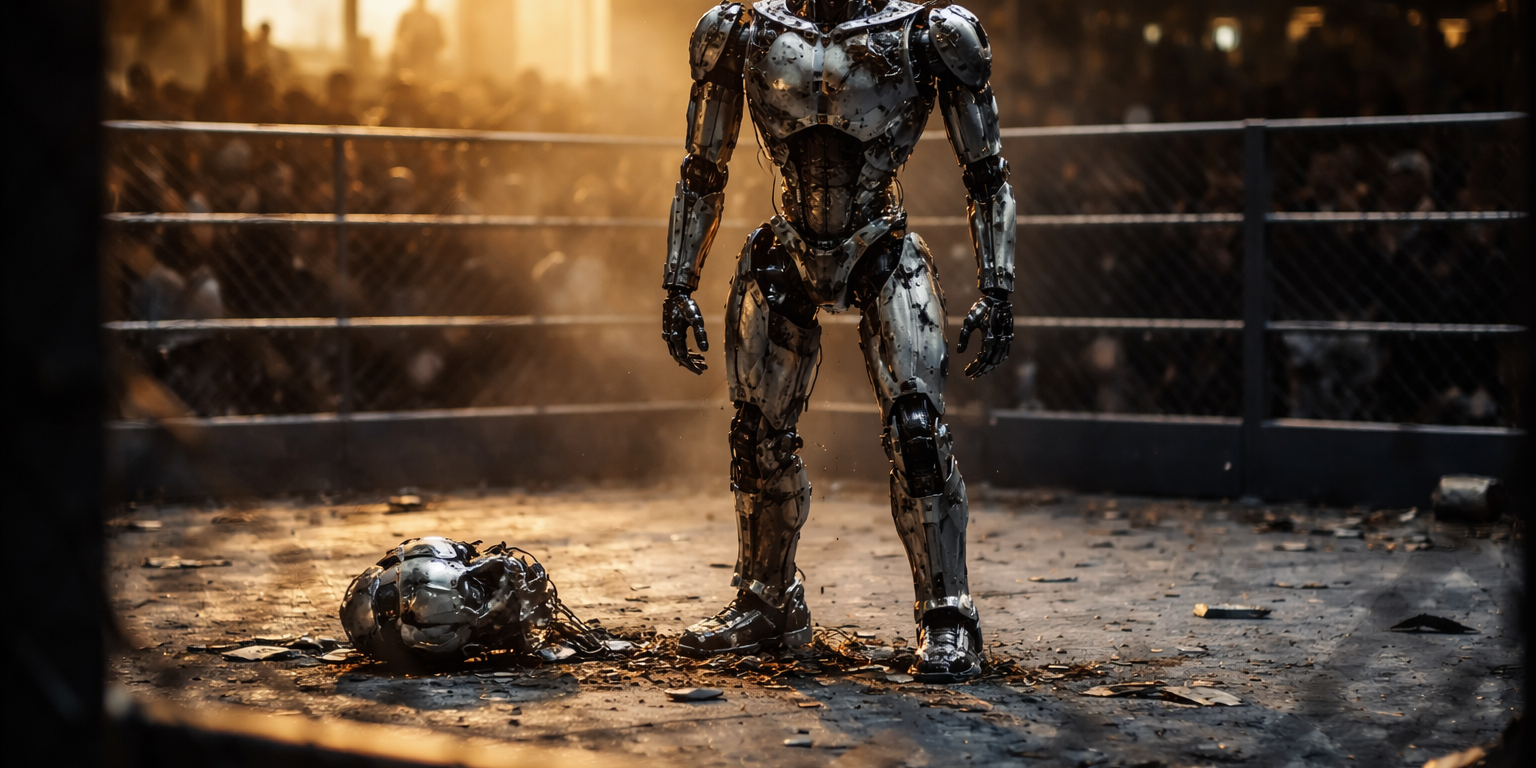
A humanoid robot lost its head in the opening bout of a new combat tournament in Shenzhen last week, marking the first organized league for bipedal autonomous fighters. The Ultimate Robot Knock-out Legend, staged by Chinese robotics firm Engine, featured humanoid machines designed to strike, grapple, and destabilize opponents until mechanical failure. Video from the event shows one competitor delivering a series of rapid strikes to its opponent's neck joint, separating the head assembly from the torso in under forty seconds. The head unit, still transmitting video according to spectators, tumbled across the arena floor while the body remained standing for several seconds before collapsing.
Engine has operated in relative obscurity within China's robotics sector, with limited public information about its funding sources or technical team. Company representatives described the tournament as a proving ground for control algorithms under extreme physical stress, conditions that laboratory testing cannot replicate. The decapitation itself appears unintentional a result of targeting the opponent's sensor array rather than a designed finishing move. Humanoid robots face unique structural vulnerabilities compared to wheeled combat machines, which dominated the sport for two decades. Boston Dynamics, Figure AI, and Unitree have invested heavily in torso and joint reinforcement for their commercial humanoids, citing durability as a core challenge. Engine's decision to weaponize the form factor before solving basic reliability questions raises concerns among roboticists who worry about public perception. One senior engineer at a U.S. humanoid startup, speaking on condition of anonymity, called the event "a gift to every AI safety group trying to ban autonomous systems."
The tournament format places two humanoids in a 10-meter square arena with no remote control allowed once the match begins. Pre-programmed behaviors and real-time machine vision guide all movements, though Engine has not disclosed whether its systems employ reinforcement learning or rules-based control. Each robot stands roughly 170 centimeters tall and masses between 60 and 80 kilograms, comparable to commercial humanoid specifications. Strikes are delivered with articulated hands and arms capable of generating impact forces up to 400 newtons, according to tournament documentation. No bladed weapons or projectile systems are permitted, a rule that distinguishes URKL from traditional combat robotics competitions where spinning blades and pneumatic hammers dominate. The emphasis on humanoid grappling and striking mirrors mixed martial arts more than mechanical destruction, though the decapitation suggests the line blurs quickly under competitive pressure.
Defense contractors have monitored humanoid development closely since Figure AI's manufacturing partnership with BMW in 2025, recognizing potential applications in contested environments where human soldiers face unacceptable risk. Autonomous combat raises legal and ethical questions that governments have debated for over a decade without resolution. The United Nations Convention on Certain Conventional Weapons has discussed lethal autonomous weapons systems since 2014, but member states remain divided on whether to ban, regulate, or simply monitor the technology. Combat robotics leagues operate in a regulatory gray zone, classified as entertainment rather than weapons development despite obvious dual-use potential. Engine's tournament occurs as China expands its domestic robotics capabilities with substantial state backing, though direct government involvement in URKL remains unconfirmed. The decapitation footage circulated widely on Chinese social media platforms before authorities restricted sharing, a pattern consistent with content deemed potentially harmful to public order.
What to Watch: Engine has announced plans for quarterly URKL events through the end of 2027, which will test whether the league attracts additional robotics companies or remains a singular spectacle. International robotics conferences scheduled for late 2026, including ICRA in Atlanta and IEEE RoboSoft in Edinburgh, may see policy discussions about combat applications and public demonstrations. Chinese defense publications and procurement databases warrant monitoring for any indication that URKL technology transfers into military programs. U.S. and European regulators could introduce new guidelines for autonomous combat systems if public pressure intensifies following this event.