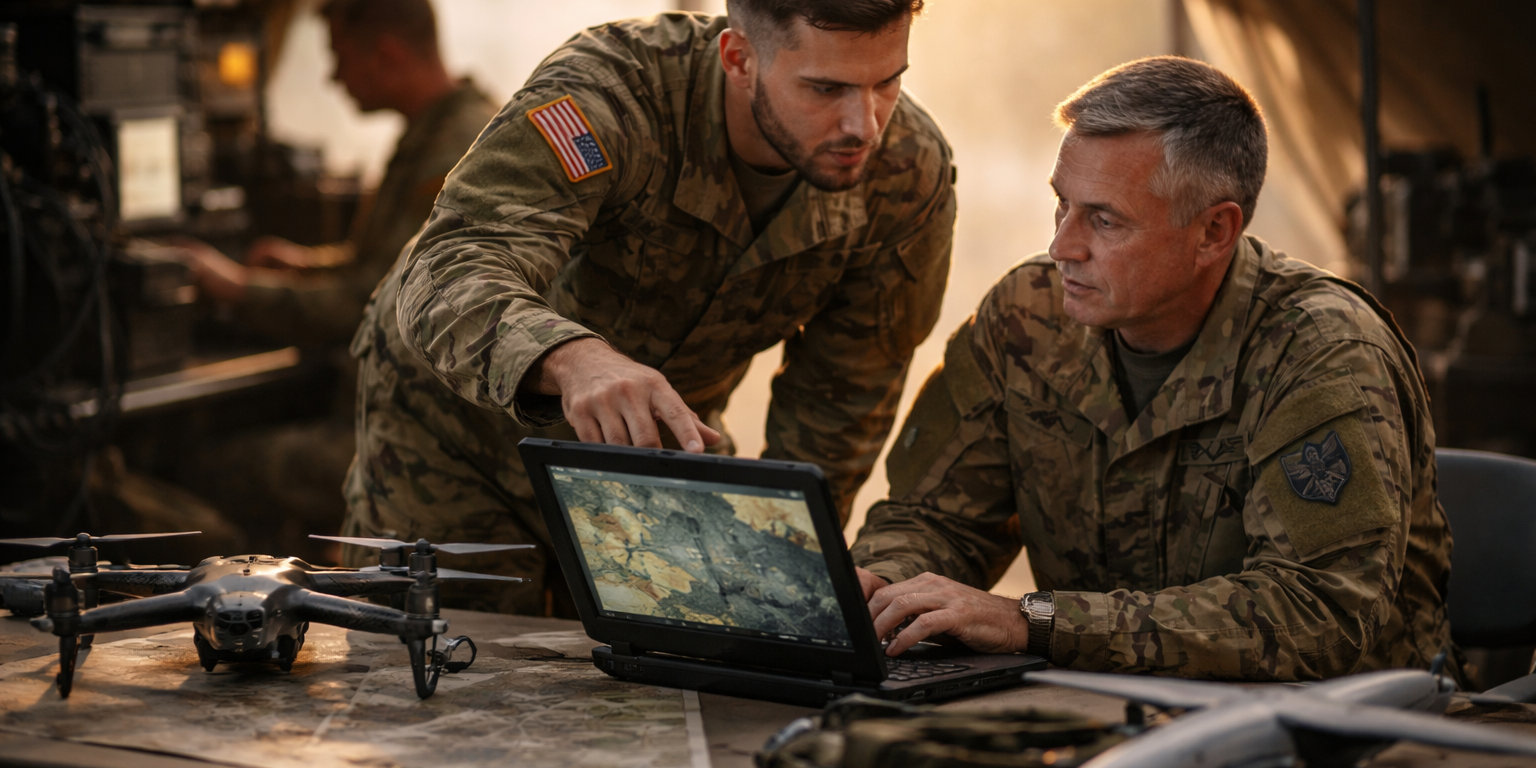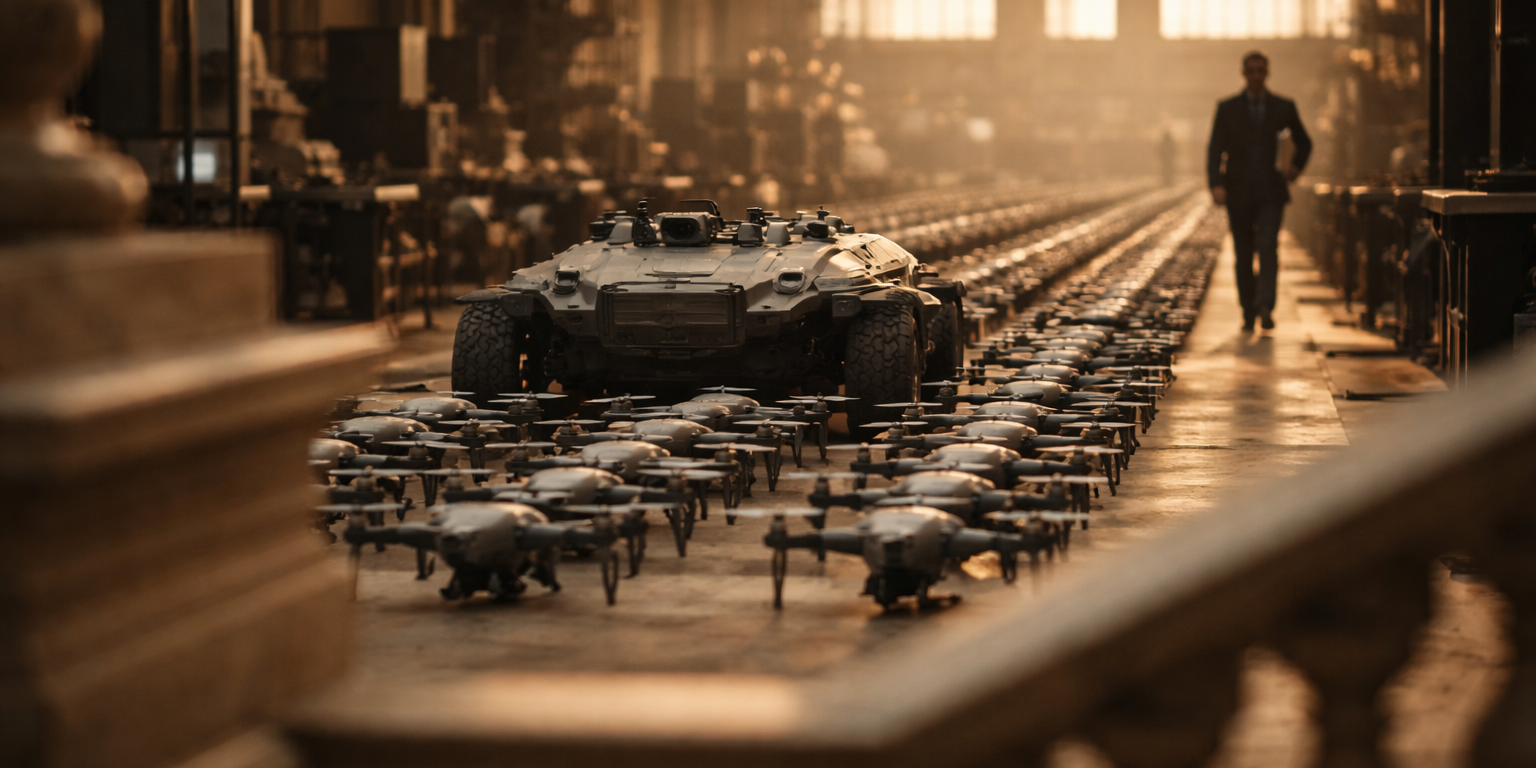
Fifty billion dollars is more than the entire annual budget of NASA's science directorate, and Defense Secretary Pete Hegseth wants it spent on machines that fly, drive, and swim without a pilot aboard. The ask, tied to a reconciliation package rather than the regular appropriations process, aims to underwrite mass production of autonomous and robotic systems. Reconciliation matters here. It lets lawmakers move spending through the Senate on a simple majority, sidestepping the filibuster dynamics that have slowed defense budgets for years. For an industry accustomed to waiting out continuing resolutions, the funding vehicle may be as consequential as the number itself.
The request follows a steady shift in how the Pentagon talks about unmanned systems. For two decades, drones were treated as exquisite assets: expensive, few in number, and operated by specialized crews. The war in Ukraine broke that mental model. Both sides there have fielded drones by the hundreds of thousands, many costing a few hundred dollars apiece, and treated them as consumables. Defense planners watched cheap first-person-view quadcopters destroy armored vehicles worth millions. They also watched Ukrainian and Russian engineers iterate on electronic-warfare countermeasures in weeks rather than years. The lesson Washington drew was about quantity and speed of iteration, not just capability.
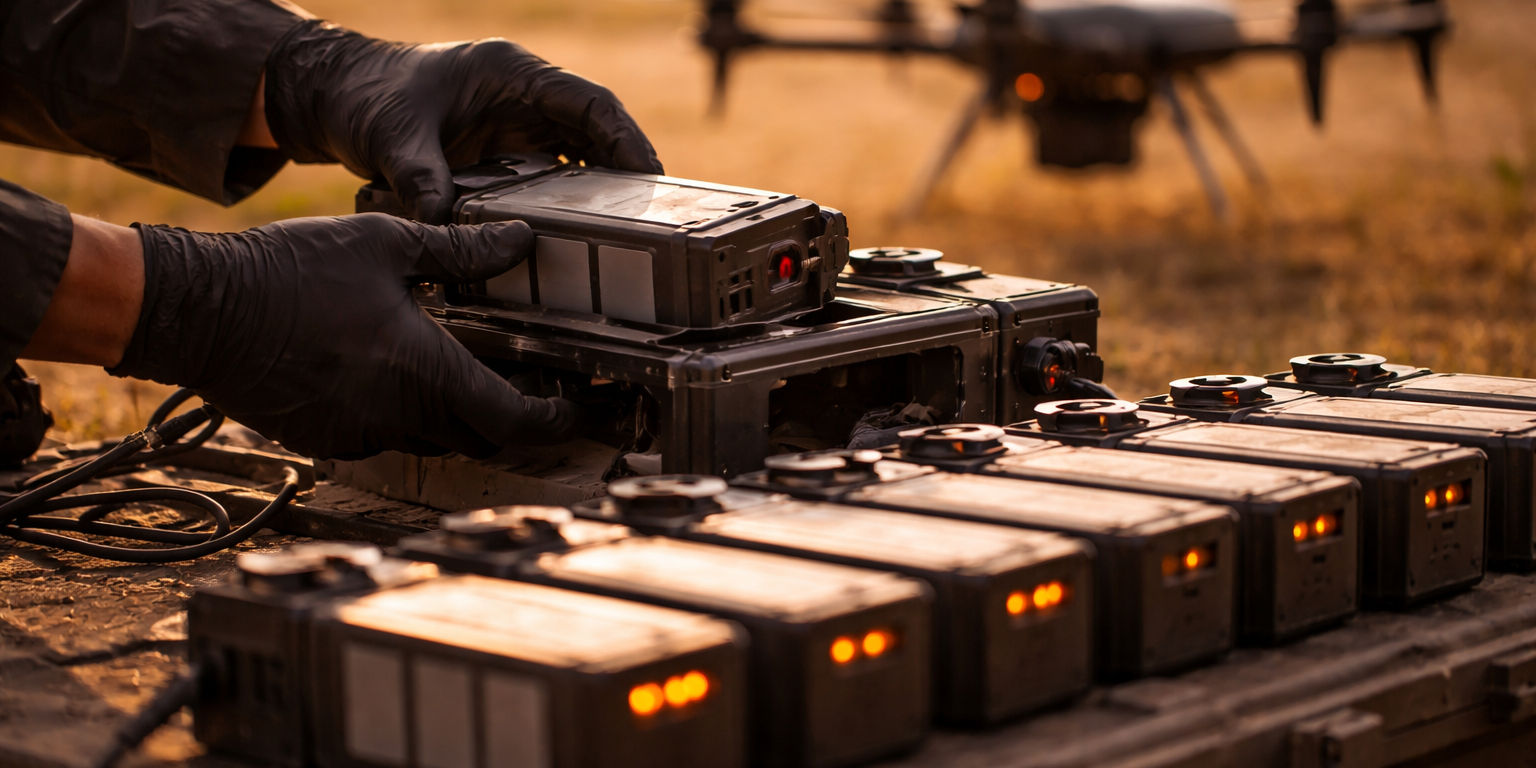
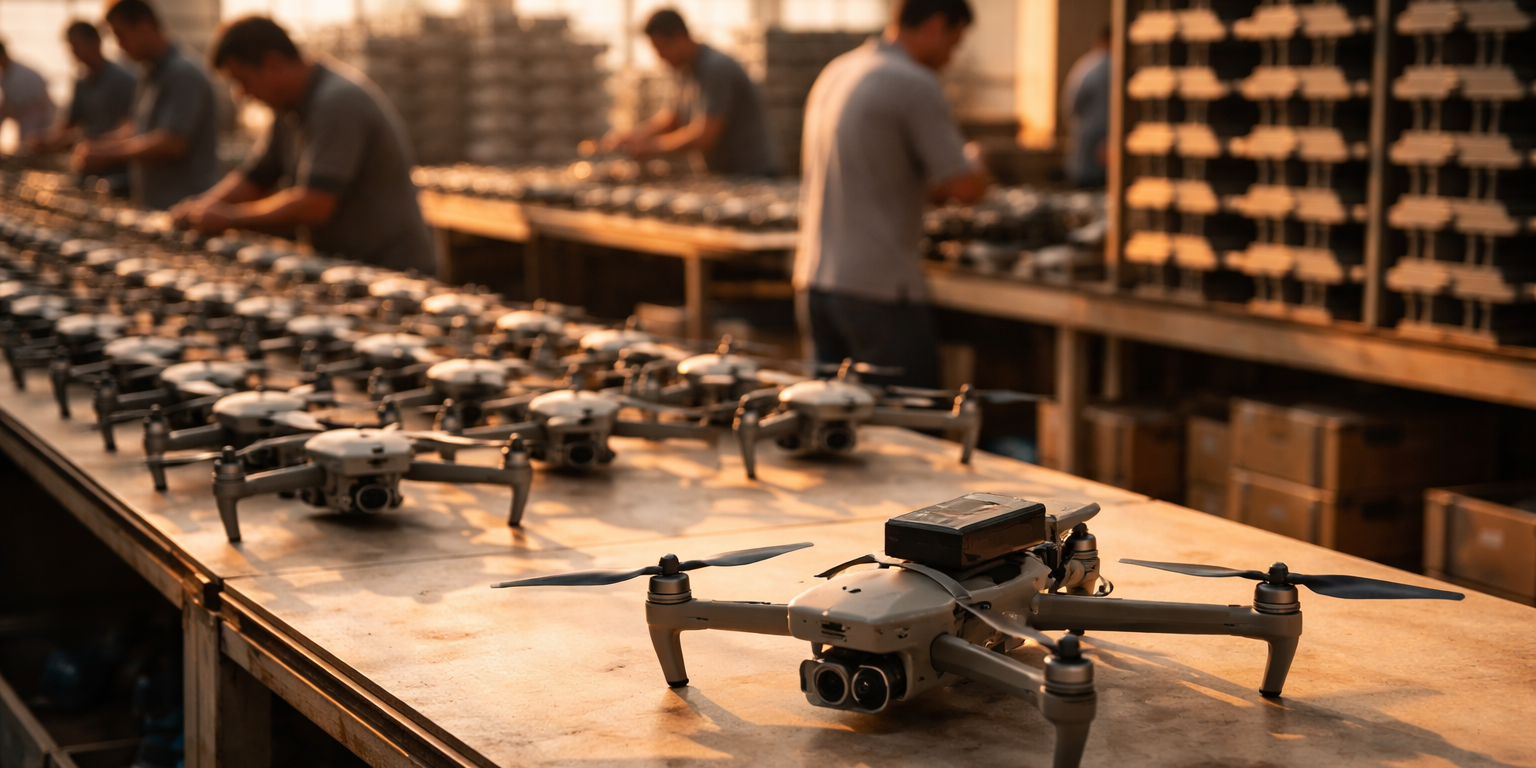
That lesson collides with the reality of the American supply chain. Much of the world's small-drone component base, including motors, flight controllers, cameras, and lithium-ion cells, runs through China, a dependency that Congress has already begun legislating against. Scaling to mass production therefore means more than writing checks to prime contractors. It means standing up domestic capacity for brushless motors, rare-earth magnets, thermal imagers, and battery packs, then qualifying those parts to military standards. Companies such as Anduril, Shield AI, and Skydio have built their pitch on software-defined autonomy and manufacturing they control. A funding surge of this scale would test whether those firms, and a long tail of smaller component makers, can expand without sacrificing quality.
For engineers, the more interesting variable is autonomy itself. Mass production only pays off if each drone requires less human attention than the last. A force that needs one operator per aircraft cannot scale to the numbers being discussed, so the real spending pressure falls on swarming algorithms, onboard perception, GPS-denied navigation, and resilient communications. Those are software and compute problems as much as airframe problems, and they favor suppliers of edge AI hardware, machine-vision stacks, and simulation tooling. Investors should note that the money flowing downstream may land less on the aircraft than on the autonomy layer and the factories that build repeatably around it.
The politics are not settled. Reconciliation bills carry strict rules about what can be included, and a $50 billion line item will draw scrutiny from fiscal hawks and from appropriators who prefer to keep spending authority in their own committees. Details on how the money would be divided among services, programs, and vendors have not been made public. That ambiguity cuts both ways for industry. It leaves room for new entrants to compete, but it also leaves contractors guessing about which production lines to bet on before any solicitation appears.
What to Watch Track the text of the reconciliation package itself over the coming weeks, particularly whether the $50 billion survives committee markup intact and how it is apportioned between procurement and industrial-base investment. Watch for follow-on contract solicitations from the Defense Innovation Unit and the services, which will reveal the target unit volumes and price points the Pentagon actually has in mind. Keep an eye on production-capacity announcements from Anduril, Shield AI, and Skydio, along with any domestic motor and battery suppliers that win qualification. Finally, monitor late-2026 budget negotiations, where any slip in the reconciliation timeline would push real procurement dollars into 2027.