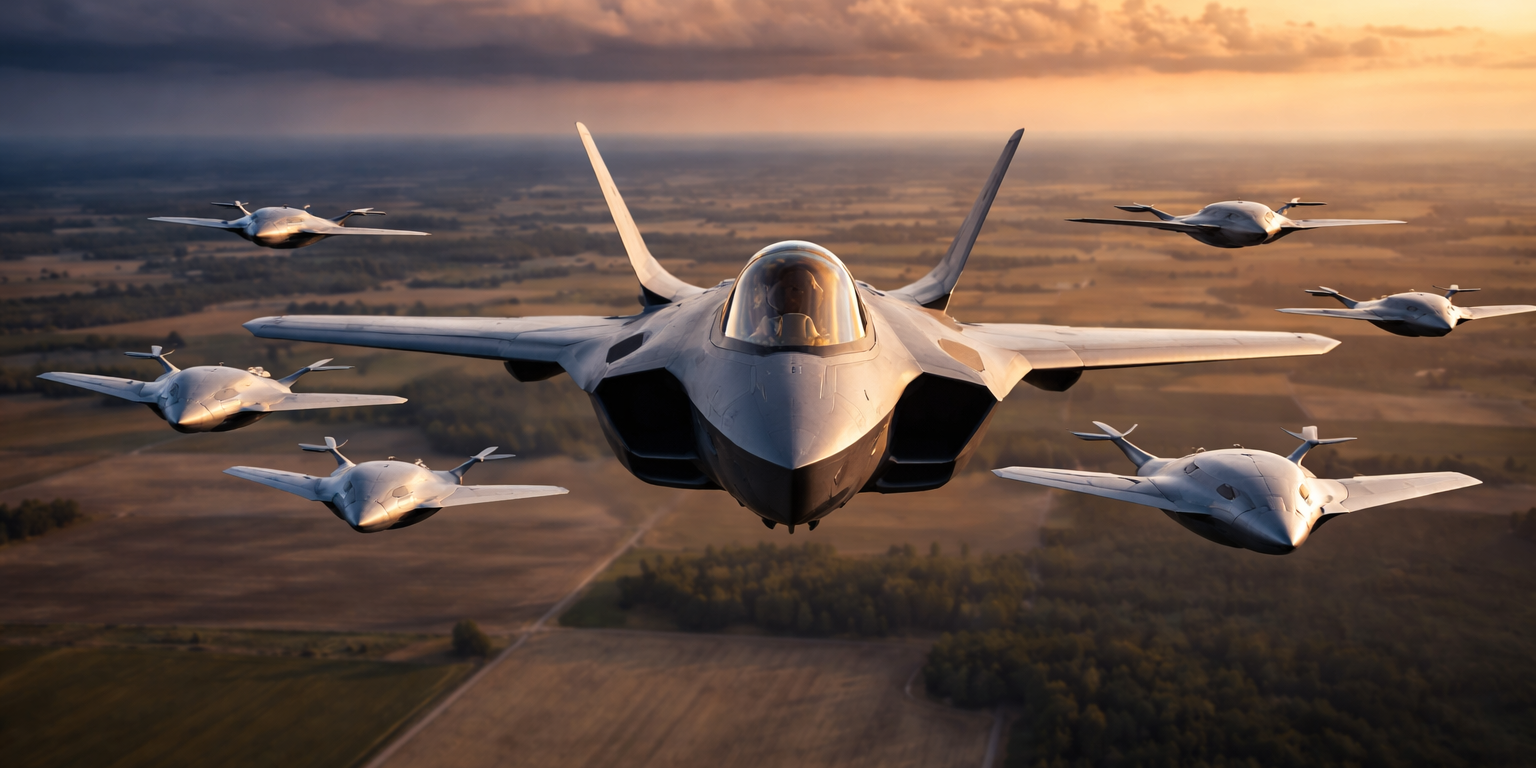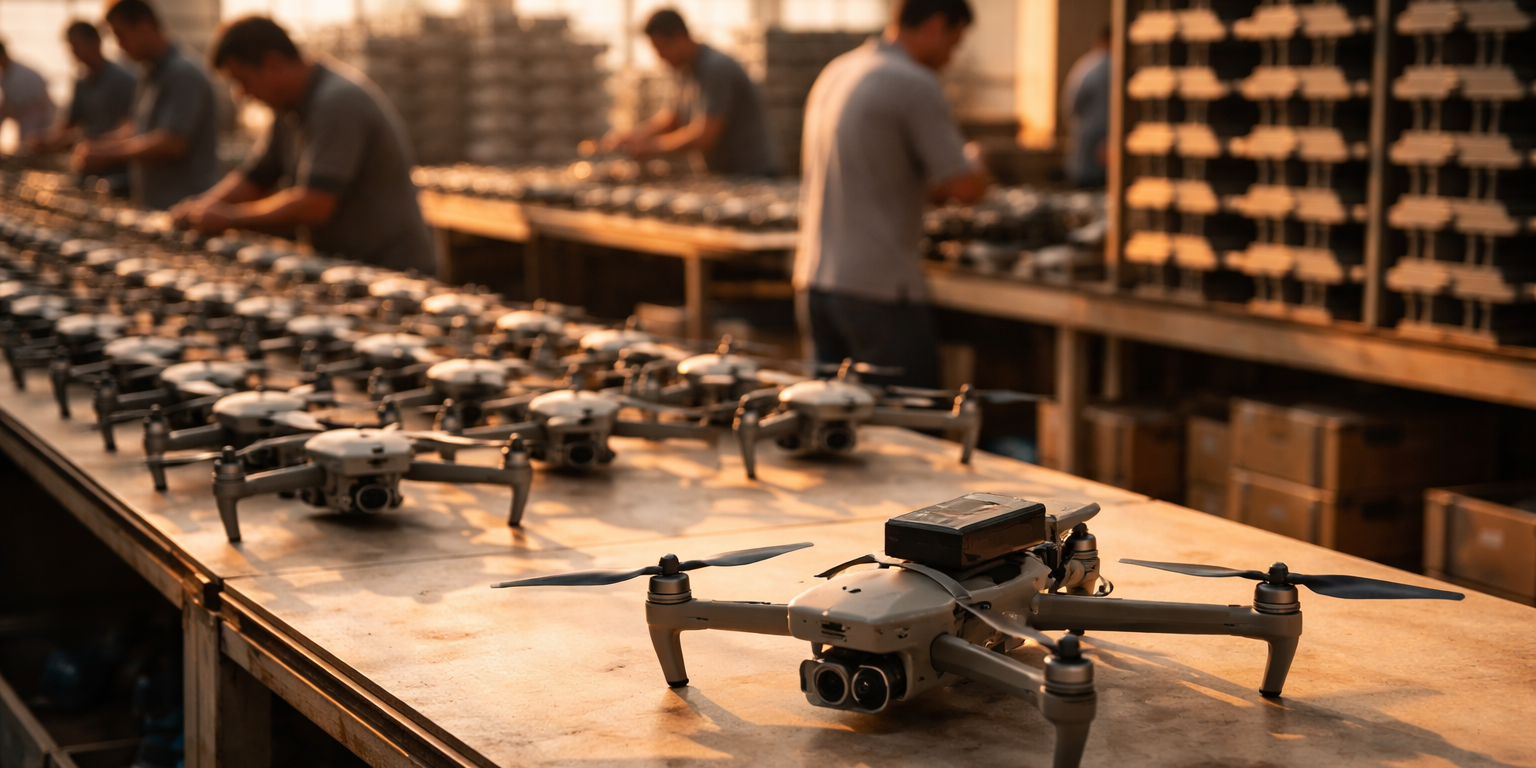
The Pentagon wants its next generation of weapons to cost less than the missiles used to shoot them down. That arithmetic sits at the center of the Autonomous Warfare Command Hegseth has announced, a new organization meant to pull the military's scattered drone, artificial intelligence, and robotics programs into a single chain of authority. Hegseth is pairing the command with a procurement philosophy that favors low-cost manufacturing and rapid iteration, treating autonomous systems less like aircraft carriers and more like consumer electronics. Buy fast, field fast, replace fast. For an industry accustomed to defense timelines measured in decades, the framing is a direct challenge.
The push did not come from nowhere. Years of conflict in Ukraine have shown how cheap first-person-view drones and improvised loitering munitions can destroy armored vehicles worth hundreds of times their price, while the Red Sea campaign forced the US Navy to spend interceptors costing well over a million dollars apiece against drones that cost a few thousand. Pentagon planners also watched China's drone manufacturing base scale to a volume Western suppliers struggled to approach. Earlier efforts, including the Replicator initiative launched under the previous administration with a goal of fielding thousands of attritable autonomous systems, produced uneven results and drew criticism for slow delivery. The AWC reads as an attempt to fix the organizational problem that Replicator exposed: no single owner, too many competing offices, and procurement rules written for a different era.
Structure matters as much as strategy here. Autonomous programs today are spread across the services, the Defense Innovation Unit, the Defense Advanced Research Projects Agency, and a patchwork of joint offices, each with its own budget lines and acquisition pathways. A consolidated command can, in theory, set common requirements, standardize interfaces, and move money without waiting on four separate approval cycles. That could reduce one of the largest hidden costs in defense robotics, which is not the hardware itself but the integration work required to make one vendor's drone talk to another vendor's command software. If the AWC mandates open architectures and shared data standards, suppliers building to those specifications gain a durable advantage over those selling closed, proprietary stacks.
The commercial implications reach well beyond the traditional primes. A low-cost, high-volume model favors companies that already know how to manufacture at scale: commercial drone makers, battery and motor suppliers, machine-vision startups, and the contract manufacturers that sit behind consumer robotics. It also raises hard supply chain questions. Many of the components that make cheap drones cheap, from brushless motors to flight controllers to lithium cells, still trace back to Chinese suppliers, and Congress has already restricted federal purchases of certain Chinese-made drones. Building a domestic supply base able to hit unit costs in the low thousands of dollars is the unglamorous constraint underneath every announcement. Engineers evaluating this market should watch less for flashy platforms and more for who solves component sourcing, because that is where margins and risk will concentrate.
One observation cuts against the optimism. Cheap hardware only stays cheap if the software and approval layers do not become the new expense. Autonomy stacks require extensive testing, certification, and cybersecurity review, and these costs do not shrink just because the airframe does. A fifteen-hundred-dollar drone that needs a six-month authority-to-operate process is not a low-cost system in any meaningful sense. The AWC's real test will be whether it can compress software accreditation and rules-of-engagement approvals to match the production tempo it is promising. If it cannot, the bottleneck simply migrates from the factory floor to the paperwork, and the speed advantage Hegseth is chasing never materializes.
What to Watch
Watch for the AWC's leadership appointments and its first published requirements, which will show whether open architecture standards are mandated or merely encouraged. Track follow-on awards under existing attritable-systems programs and any new solicitations from the Defense Innovation Unit through the fourth quarter of 2026, since those will reveal which vendors the command favors. Pay attention to the fiscal 2027 budget cycle, where line items for autonomous systems will show whether Congress is funding the consolidation or resisting it. Finally, monitor domestic motor, battery, and flight-controller suppliers for new Pentagon-backed capacity announcements, because component supply will decide how fast the strategy can actually scale.