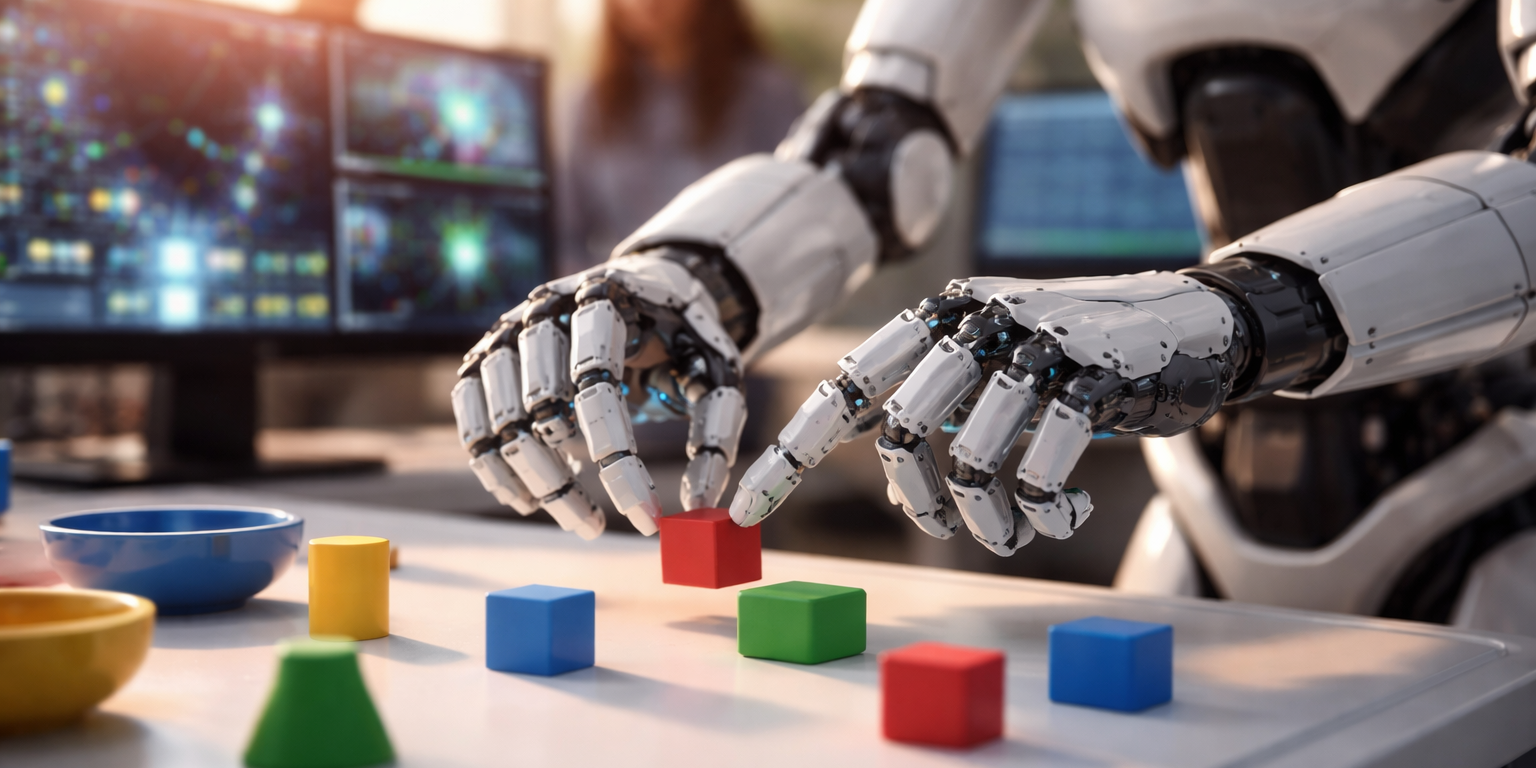
An artificial intelligence startup tapped by Google DeepMind for its European Robotics Program released promotional footage showing what industry observers quickly identified as a static, non-operational humanoid robot presented as if it were a functional platform. The company, whose selection for the DeepMind partnership was announced within the past quarter, has not disclosed technical specifications for the hardware shown in the video, nor has it provided evidence of autonomous movement or task completion. Google DeepMind declined to comment on its partner vetting process or whether the promotional material violates any program guidelines.
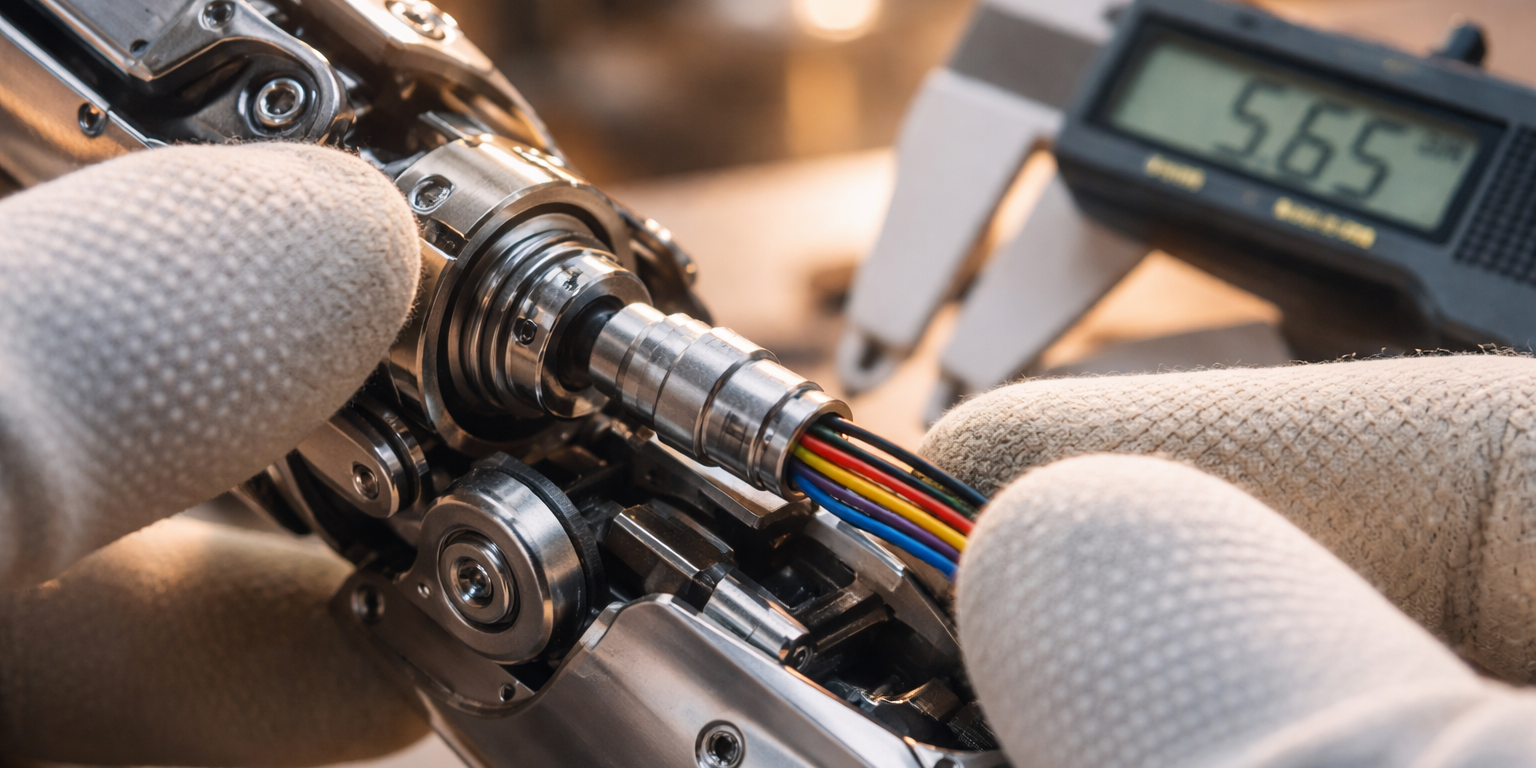
The video circulated on social media platforms before drawing scrutiny from robotics engineers who noted the absence of cable management systems, thermal management components, or visible actuator housing consistent with operational humanoid platforms. Several researchers pointed to the robot's static pose and lack of even basic balancing micro-adjustments that characterize functional bipedal systems, even when powered down. One senior hardware engineer at a competing humanoid manufacturer, speaking on condition of anonymity, noted that the joints appeared to lack the servo motors and gear reductions necessary for load-bearing movement. The footage shows the humanoid in a staged laboratory environment but includes no sequences of walking, object manipulation, or any autonomous behavior that would demonstrate integration between mechanical hardware and control software.
Google DeepMind launched its European Robotics Program in 2024 as part of a broader initiative to accelerate commercial robotics development across the continent. The partnership framework provides selected companies with access to DeepMind's machine learning models, training infrastructure, and research collaboration opportunities. Program participants receive technical support for integrating vision-language-action models into robotic systems, along with computational resources for simulation and reinforcement learning. The selection criteria publicly outlined by DeepMind emphasize proven hardware capabilities and working prototypes, though the organization has not disclosed whether independent verification of partner platforms occurs before or after acceptance into the program. The AI startup in question was among fifteen companies announced as partners, joining established robotics firms and university research groups. Several other partners have demonstrated functioning hardware at industry events including ICRA and the European Robotics Forum.
The incident arrives as the humanoid robotics sector faces intensifying scrutiny over the gap between promotional claims and deployed capability. Tesla revealed its Optimus Gen 2 humanoid in December 2023 with improved walking speed and hand dexterity, while Figure AI secured $675 million in Series B funding at a $2.6 billion valuation in February 2024, with backers including OpenAI, Microsoft, and NVIDIA. Apptronik shipped its first Apollo units to pilot customers in manufacturing environments during the third quarter of 2024, marking one of the industry's earliest commercial deployments outside of controlled demonstrations. Boston Dynamics, now owned by Hyundai, transitioned its Atlas platform from hydraulic to electric actuation in April 2024 and announced partnerships with automotive manufacturers for factory floor testing. Against this backdrop of genuine hardware progress, promotional videos featuring non-functional robots risk undermining investor confidence and complicating due diligence for corporate buyers evaluating humanoid platforms for warehouse, logistics, and manufacturing applications. Industry veterans note that distinguishing between computer-generated imagery, teleoperated systems, and genuinely autonomous robots has become increasingly difficult as video production quality improves and companies face pressure to demonstrate progress between funding rounds.
What to Watch: Monitor whether Google DeepMind issues clarification on partner verification standards or removes the company from its European Robotics Program roster in the coming weeks. Track announcements from the AI startup regarding hardware specifications, particularly whether it discloses actuator suppliers, battery systems, or compute architecture for the humanoid platform shown in the video. Watch for statements from other DeepMind program partners distancing themselves from the incident or calling for stricter demonstration requirements. Observe whether robotics industry groups such as the IEEE Robotics and Automation Society or euRobotics establish voluntary standards for hardware claims in promotional materials, similar to disclosure frameworks emerging in the autonomous vehicle sector.