The most telling detail in Gemini Robotics 2.5 is not a benchmark score. It is the idea that a single model can carry a skill from one robot body to another without retraining. If that holds up outside the lab, it attacks the most expensive line item in industrial automation: the custom integration work that makes every new deployment a one-off engineering project. Coverage of the release, including a summary from Crypto Briefing, frames the update as a leap in efficiency and safety across sectors. That framing is broader than the evidence currently supports, and engineers evaluating the model should separate the pitch from what has been demonstrated.
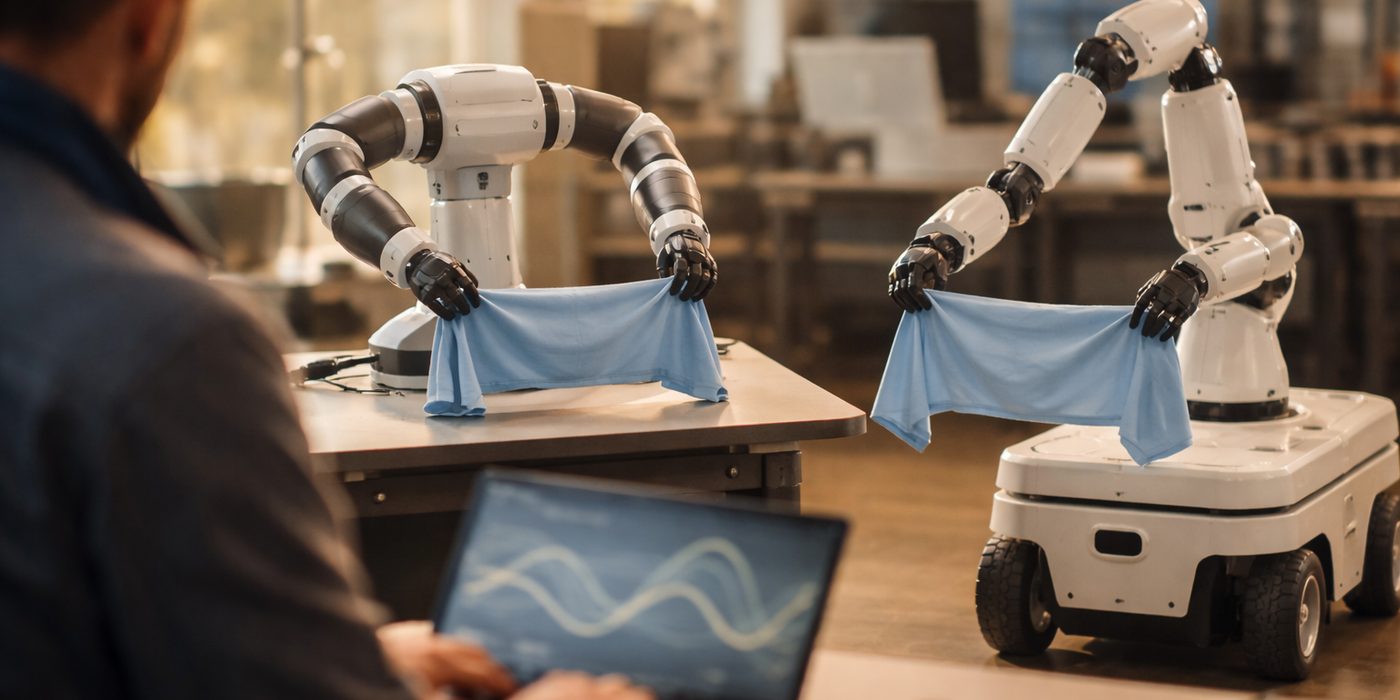
The release continues a lineage that Google DeepMind began with the first Gemini Robotics models, which paired Gemini's multimodal understanding with direct control of physical hardware. Those earlier systems could follow natural-language instructions and manipulate objects, but they handled tasks largely as single steps. Version 2.5 pushes toward longer sequences: sorting, packing, and handling objects in cluttered settings where the right action depends on what happened two steps earlier. The architectural emphasis is on having the model reason about a task before it moves, rather than mapping pixels straight to motor commands. That distinction matters because long-horizon failures, where a robot completes nine steps correctly and ruins the tenth, are what keep general-purpose models out of production cells.
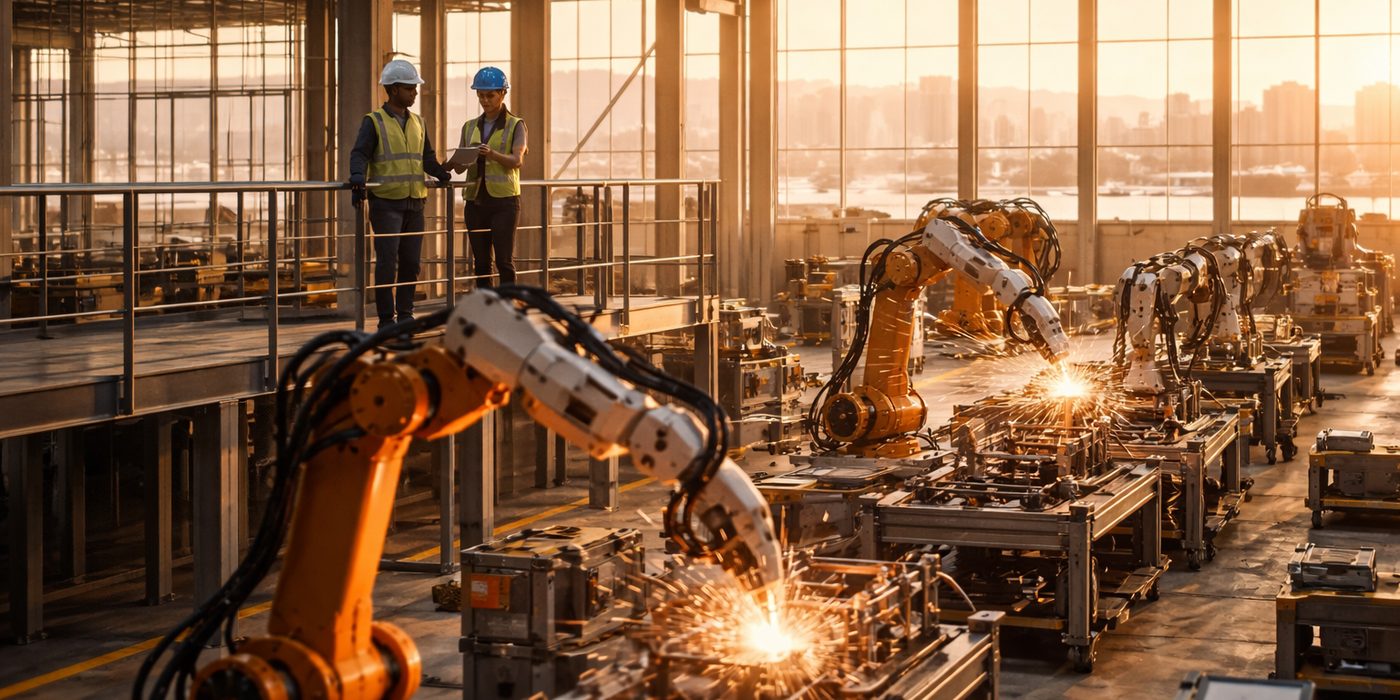
For industrial buyers, the appeal is easy to state and hard to verify. Traditional automation excels at repetition in controlled conditions and collapses when a part arrives rotated, a bin is mislabeled, or a pallet is stacked wrong. A model that can look at the mess, decide what to do, and recover from a slip promises to widen the set of tasks worth automating. Warehouse picking, kitting, light assembly, and machine tending are the obvious candidates. But the gap between a convincing research video and a system that runs three shifts at 99.9 percent uptime is where most embodied-AI ventures have stalled, and nothing in a model release closes that gap on its own.
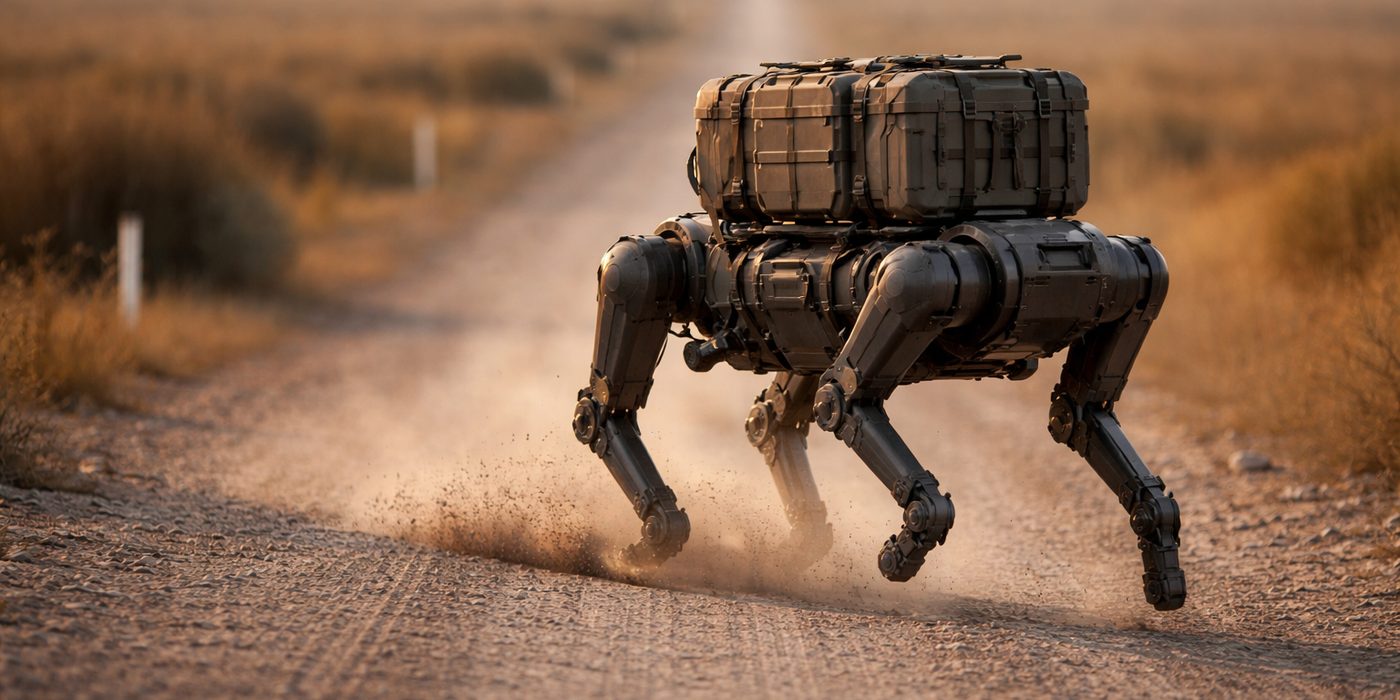
The competitive picture sharpens the stakes. Physical Intelligence, Figure AI, Skild AI, and NVIDIA's GR00T effort are all chasing the same prize: a foundation model that hardware makers license instead of building their own control stack. Google's advantage is distribution and compute, along with the ability to improve the reasoning layer alongside its broader Gemini work. Its weakness is that it does not manufacture robots at scale, so its value depends on partners adopting the model across varied hardware. That makes cross-embodiment transfer the claim to scrutinize. If the model truly generalizes across arms, grippers, and humanoid forms, hardware vendors gain a software shortcut. If it needs substantial fine-tuning per platform, the economics look much closer to what integrators already pay for today.
Safety is the second claim that deserves a harder look. Industrial deployments live under standards such as ISO 10218 and ISO/TS 15066, which govern how robots behave near people, and a learned policy does not fit neatly into frameworks written for deterministic programs. A model that reasons about its actions can, in principle, flag unsafe plans before executing them, and that is a genuine selling point. In practice, certifying a system whose behavior emerges from training data rather than explicit logic remains an open problem for safety engineers and regulators alike. Buyers should ask vendors how a foundation-model controller is wrapped inside conventional safety-rated monitoring, because the learned layer is unlikely to carry certification weight by itself.
What to Watch Track whether Google DeepMind names industrial partners with deployment numbers through the first quarter of 2027, since pilot results with throughput and intervention rates will say more than any demo reel. Watch how Physical Intelligence, Figure AI, and NVIDIA respond with competing model updates, and whether any of them publish head-to-head results on long-horizon tasks. Pay attention to developer access terms and pricing for the Gemini Robotics API, which will determine whether mid-size integrators can build on it. Finally, follow standards bodies and notified-body guidance on learned controllers in safety functions, because that ruling pace will set how quickly these models leave the pilot cell.