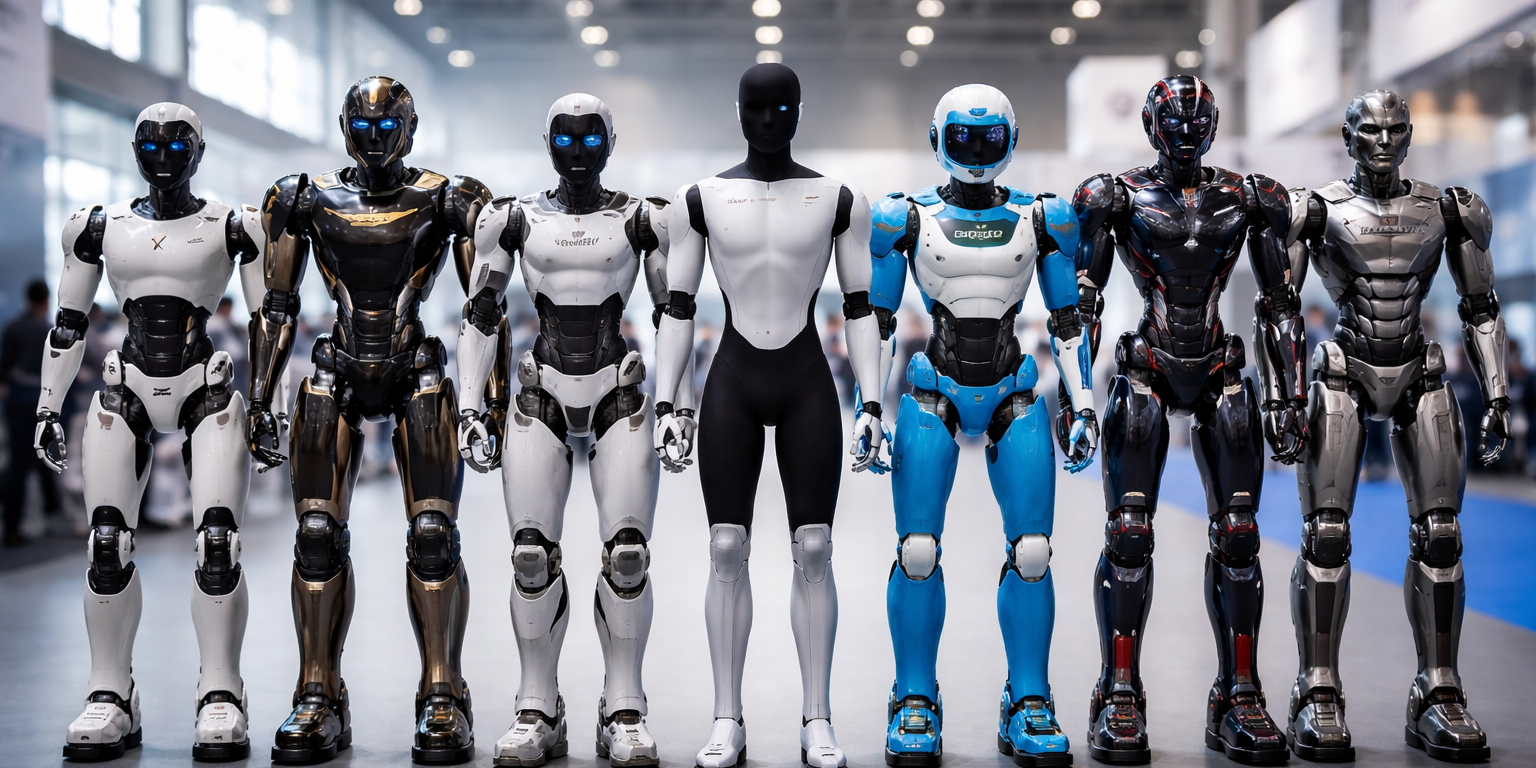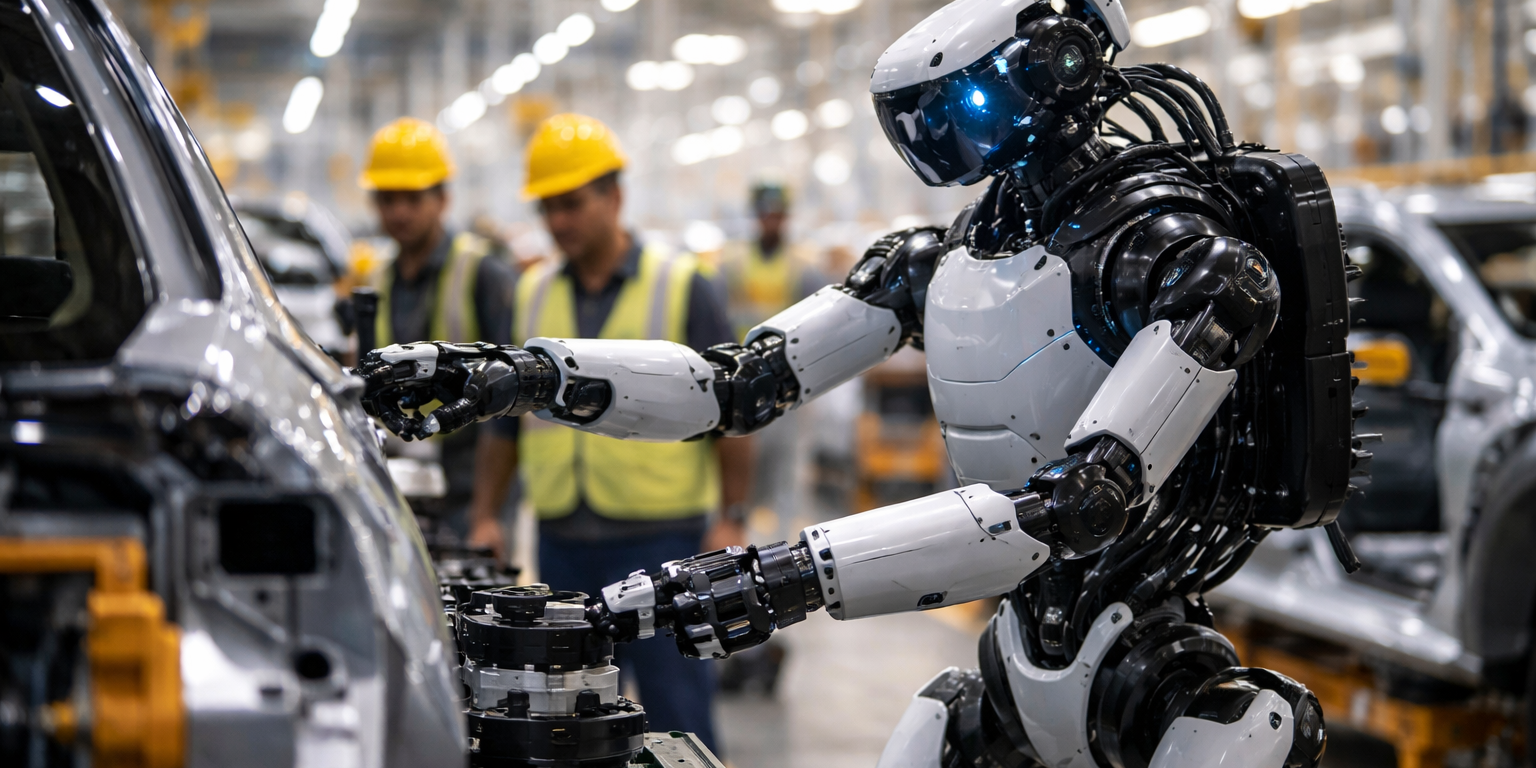

Figure AI streamed several hours of unedited footage showing its humanoid robot performing package sorting tasks in a warehouse environment, and the video drew more than three million views within its first week online. The robot picked items from one location and placed them in designated bins—a simple task by warehouse standards, but one that demonstrated sustained operation without the selective editing that typically characterizes robotics product launches. Engineers commenting on LinkedIn and Reddit noted cycle times averaging 12 to 15 seconds per pick-and-place operation, compared to the three to five seconds typical of experienced human warehouse workers. The contrast between unvarnished performance data and the polished demonstrations common in the sector explains much of the attention the stream received from technical audiences.
The livestream format itself represents a calculated risk for Figure AI, which has raised over $750 million from investors including Microsoft, OpenAI, and Parkway Venture Capital since its founding in 2022. Most robotics companies release carefully edited videos that showcase successful operations while omitting failures, calibration delays, and the full scope of speed limitations. Figure's decision to broadcast continuous footage signals either confidence in its technology trajectory or recognition that overpromising has begun to damage credibility across the humanoid robotics sector. Tesla's Optimus demonstrations have faced criticism for showing teleoperated capabilities as autonomous functions, while several Chinese humanoid makers have released videos later revealed to contain undisclosed human assistance. The unedited approach may lower immediate performance perceptions but establishes a baseline of trust that could prove valuable as the company seeks deployment partners among warehouse operators who have grown skeptical of robotics vendor claims.
Warehouse automation currently relies on specialized systems—conveyor networks, autonomous mobile robots from companies like Locus Robotics and 6 River Systems, and fixed robotic arms from vendors including ABB and FANUC. These purpose-built systems handle specific tasks efficiently but lack flexibility when facility layouts change or product mixes shift. Humanoid robots promise adaptability to existing infrastructure designed for human workers, eliminating the need for facility modifications that can cost millions and require operational shutdowns. Amazon operates more than 750,000 mobile robots across its fulfillment network but still employs hundreds of thousands of human workers for tasks requiring dexterity and judgment. The question confronting warehouse operators is whether humanoids will reach sufficient speed and reliability to justify their cost—which industry analysts estimate at $50,000 to $150,000 per unit at scale—compared to hiring human workers at $15 to $25 per hour or deploying proven specialized automation.
The technical challenges visible in Figure's demonstration extend beyond pure speed. The robot exhibited careful, deliberate movements that suggest conservative motion planning parameters—likely a safety measure to prevent collisions or drops that would be more dramatic in an unedited stream. Computer vision systems must identify package boundaries, assess grasp points, and navigate clutter, all while maintaining cycle times competitive with alternatives. Battery life constraints mean any deployed humanoid would require charging infrastructure and rotation schedules that reduce effective utilization rates below the theoretical maximum. Figure AI has not disclosed whether its demonstration robot operated autonomously throughout the stream or included any teleoperation for error recovery, though extended observation periods showed consistent behavior patterns more indicative of autonomous operation than remote human control. The company previously demonstrated its humanoid performing tasks at a BMW manufacturing facility in South Carolina, suggesting its technology has progressed beyond pure laboratory conditions into environments with real operational constraints and safety requirements.
What to Watch: Figure AI's planned deployment timeline at BMW's Spartanburg plant should provide the next substantial data point on humanoid performance in production environments, with initial operations expected to scale through Q2 2025. Competitor announcements from Apptronik, which supplies humanoids to NASA and recently partnered with Mercedes-Benz, and Agility Robotics, which operates pilot programs with Amazon and GXO Logistics, will reveal whether transparent demonstration strategies spread across the sector or remain outliers. Watch for warehouse operators publishing their own performance benchmarks and ROI analyses as pilot programs mature, particularly from logistics providers like DHL and third-party logistics companies that face the most acute labor constraints.