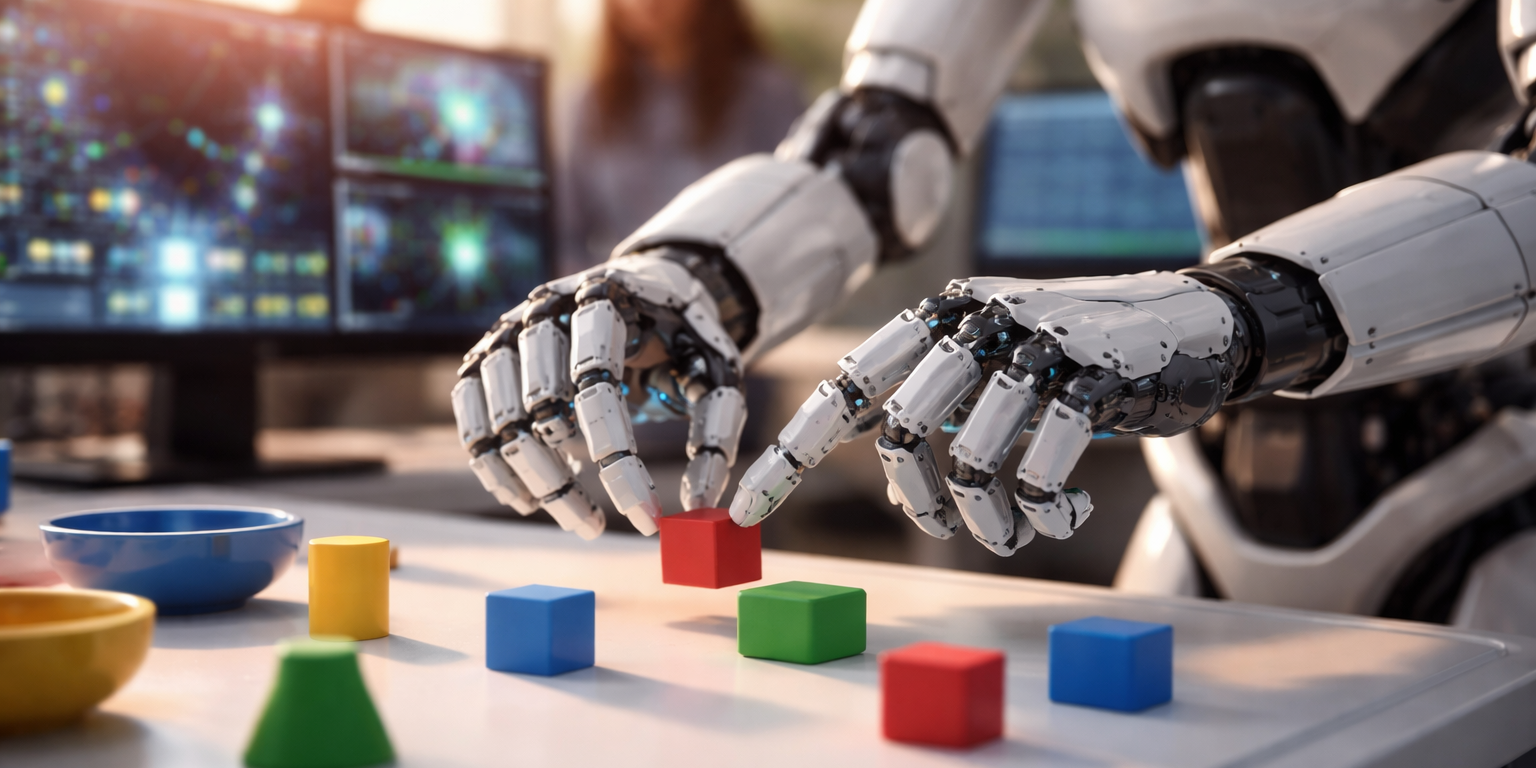
Three Figure AI humanoid robots sorted packages continuously for over 24 hours without human control in a warehouse trial the company claims demonstrates sustained autonomous capability. The test, which Figure reported through multiple channels including statements to Fox News, represents an endurance benchmark in a sector where most humanoid demonstrations last minutes or hours rather than full operational shifts. Unlike wheeled mobile robots or fixed robotic arms that already operate in warehouses around the clock, humanoids must simultaneously manage bipedal locomotion, computer vision for navigation and object recognition, and dynamic manipulation of items with varying weights and geometries. The 24-hour threshold matters because logistics facilities operate continuously, and any automation intended to replace or augment human workers must prove it can maintain performance across multiple shifts without constant supervision or intervention.
Figure has not disclosed critical operational details that would allow direct comparison with existing automation systems. The company released no data on how many packages the three robots processed per hour, what error or failure rates occurred during the 24-hour period, whether the robots required any maintenance or resets that did not constitute "human control," or what size and weight range of packages they handled. These specifications determine whether humanoids offer economic advantages over established technologies like conveyor systems, automated storage and retrieval systems, or wheeled autonomous mobile robots already deployed at scale by Amazon, Locus Robotics, and others. The absence of throughput metrics is particularly notable given that speed and consistency drive return on investment calculations in logistics environments where margins are measured in pennies per package. Still, sustaining any level of autonomous operation for 24 hours without intervention represents technical progress for bipedal platforms that must constantly adjust balance and adapt to environmental variations.
Figure AI raised $675 million in a February 2024 funding round that valued the company at approximately $2.6 billion and attracted investment from Jeff Bezos, Microsoft, Nvidia, and OpenAI, among others. The Sunnyvale, California-based company has announced pilot programs with BMW for manufacturing applications and has positioned its humanoid as a general-purpose platform capable of working in environments designed for human workers rather than purpose-built automation. Founder and CEO Brett Adcock previously founded aviation startup Archer Aviation before launching Figure in 2022. The company competes directly with Agility Robotics, which manufactures the Digit humanoid and has announced deployment plans with Amazon and GXO Logistics, and indirectly with Tesla's Optimus program, Boston Dynamics' Atlas research platform, and a growing cohort of startups including Apptronik, Sanctuary AI, and 1X Technologies. Each pursues略 different technical approaches to locomotion, manipulation, and autonomy, but all identify logistics as a near-term commercial opportunity due to persistent labor shortages, high turnover rates that can exceed 100 percent annually in warehouse roles, and facilities that operate 24/7 schedules ill-suited to human circadian rhythms.
The logistics automation market presents both opportunity and significant barriers to humanoid adoption. Warehouses already deploy proven technologies including automated guided vehicles, collaborative robotic arms, automated sortation systems, and increasingly sophisticated vision-guided piece-picking systems from vendors like Berkshire Grey, Righthand Robotics, and Mujin. These systems cost less than humanoids, require less sophisticated software, and operate with well-understood maintenance requirements and failure modes. Humanoids theoretically offer advantages in facilities with complex layouts, mixed tasks, or frequent reconfigurations where fixed automation proves inflexible and where the ability to climb stairs, reach shelves at varying heights, and manipulate diverse objects using general-purpose hands provides operational flexibility. However, no commercial deployment has yet validated these theoretical benefits at scale. The business case depends heavily on utilization rates, mean time between failures, and total cost of ownership calculations that remain unproven outside controlled pilot environments. Figure's 24-hour test offers one data point suggesting extended autonomous operation is achievable, but operators will require transparent performance metrics, demonstrated reliability across hundreds or thousands of operating hours, and clear economic models before committing capital to humanoid platforms.
What to Watch: Figure AI's BMW manufacturing pilot should produce concrete deployment data in the coming quarters, revealing whether humanoids can transition from controlled warehouse tests to complex production environments. Agility Robotics plans to scale production of Digit units at its Salem, Oregon facility throughout 2024, with customer deployments that will provide the first real comparative data on humanoid performance against traditional automation. Tesla has indicated it will deploy Optimus robots in its own factories before offering them commercially, likely providing the next major demonstration of extended autonomous operation. Watch for any company to release detailed throughput, uptime, and error rate data rather than duration milestones alone.