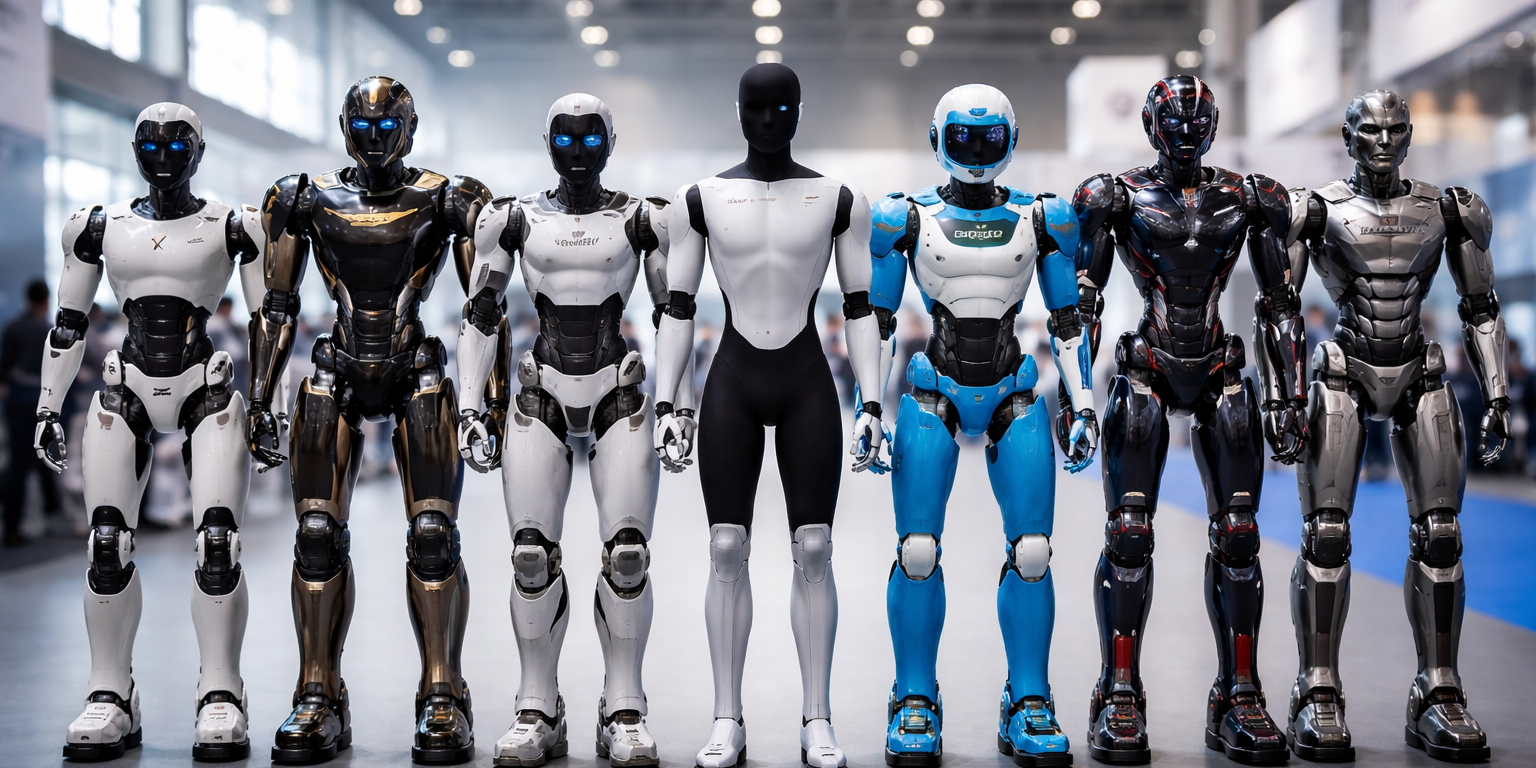
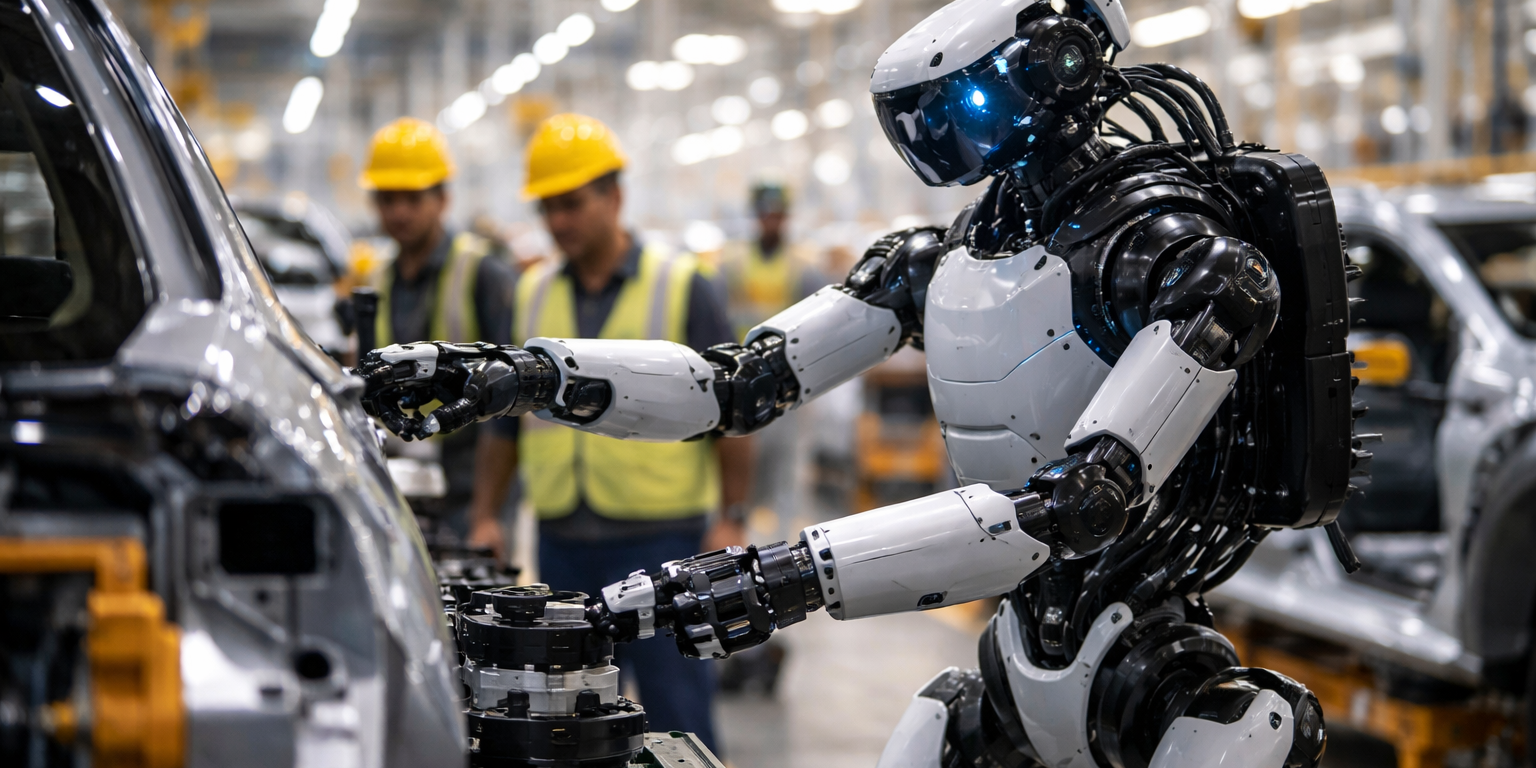
Catalyst Brands, a third-party logistics provider serving major retailers including JCPenney, has signed a commercial deployment agreement with Figure AI to integrate humanoid robots into its Reno warehouse operations. The robots will handle sorting and packing tasks across multiple fulfillment streams, putting Figure's technology into direct competition with established warehouse automation vendors like Locus Robotics and 6 River Systems. Unlike those wheeled systems, Figure's approach places bipedal machines into environments designed for human workers, eliminating the need for conveyor modifications or dedicated automation zones. The deal follows Figure's March 2024 deployment at a BMW manufacturing plant in South Carolina, but shifts the technology into a sector where labor costs and turnover rates create different economic pressures than automotive assembly.
Figure AI closed a $675 million Series B round in February 2024 at a $2.6 billion valuation, with backing from Microsoft, OpenAI, Nvidia, Jeff Bezos, and Intel Capital. That capital influx positioned the company to move beyond pilot programs into revenue-generating contracts. Catalyst Brands operates logistics centers across the western United States, with the Reno facility serving as a regional hub for apparel and home goods distribution. JCPenney, which emerged from bankruptcy restructuring in 2020, has been investing in supply chain modernization as part of its turnaround strategy under CEO Marc Rosen. The retailer operates 650 stores and processed over $7 billion in revenue during fiscal 2023, making efficient warehouse operations critical to margin improvement. Catalyst handles not only JCPenney's fulfillment but also manages white-label logistics for several mid-market retail brands that lack dedicated distribution infrastructure.
The robots Figure plans to deploy run on a custom neural network architecture trained on manipulation tasks specific to warehouse environments, including grasping irregular soft goods, identifying damaged packaging, and placing items into shipping containers of varying sizes. Each unit stands 5 feet 6 inches tall and weighs 132 pounds, with 16 degrees of freedom in its hands alone. Battery life currently supports 5-hour operating shifts before requiring a 90-minute recharge cycle, which aligns with standard warehouse shift structures but leaves gaps that human workers still need to fill. Figure has not disclosed per-unit pricing, but industry estimates place humanoid robot costs between $150,000 and $250,000 at current production volumes, well above the $30,000 to $50,000 range for autonomous mobile robots from Locus or Fetch. The economic case depends on task flexibility rather than unit cost, since a single humanoid could theoretically perform duties across receiving, sorting, packing, and quality control without infrastructure changes.
Retail logistics has become a testing ground for robotics companies seeking alternatives to manufacturing, where safety requirements and integration complexity slow adoption. Amazon operates more than 750,000 mobile robots across its fulfillment network, but those are primarily goods-to-person systems that bring shelves to stationary pickers. Humanoids aim to work alongside people in existing layouts, walking the same aisles and using the same tools. That approach appeals to third-party logistics providers like Catalyst, which operate facilities designed for human workflows and lack the capital to redesign entire warehouses around automation. The question is whether humanoid dexterity and navigation can match the throughput of specialized systems in high-volume environments. Apptronik, Sanctuary AI, and Agility Robotics are all pursuing similar retail logistics contracts, with Agility's Digit robot already deployed in limited trials at an Amazon facility near Seattle. Figure's advantage lies in its investor base, which includes companies that control both computing infrastructure and robotics supply chains, potentially enabling faster iteration on hardware and software integration.
What to Watch: Monitor Figure AI's production ramp and whether Catalyst expands deployment beyond the initial Reno installation by Q3 2025. Track competing humanoid vendors, particularly Agility Robotics and Sanctuary AI, for announcements of similar third-party logistics contracts. Watch for JCPenney's quarterly earnings calls through mid-2025 for any commentary on warehouse automation investments and their impact on fulfillment costs. Pay attention to whether Figure discloses unit pricing or leasing models, which would signal confidence in scaling beyond early adopters.