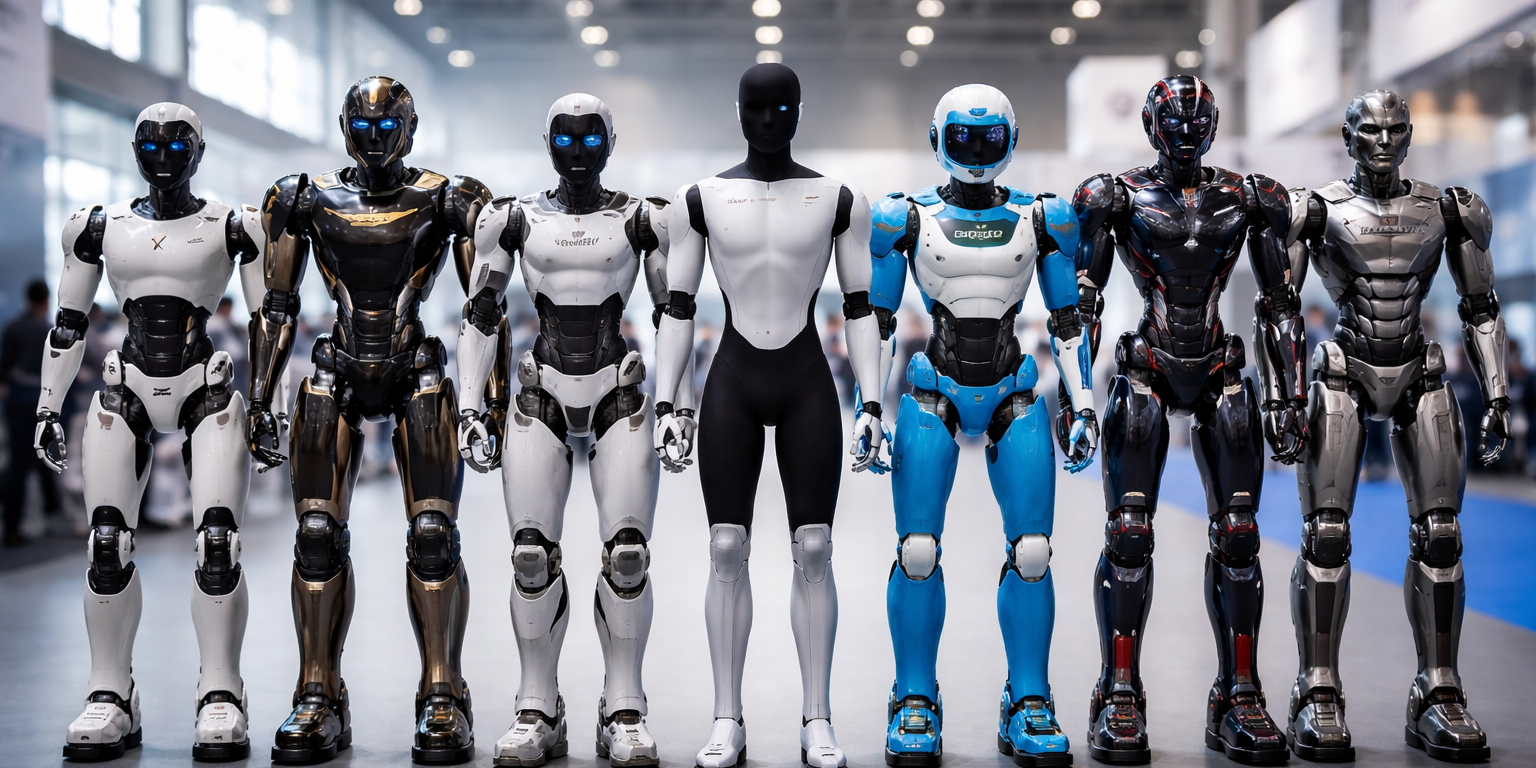
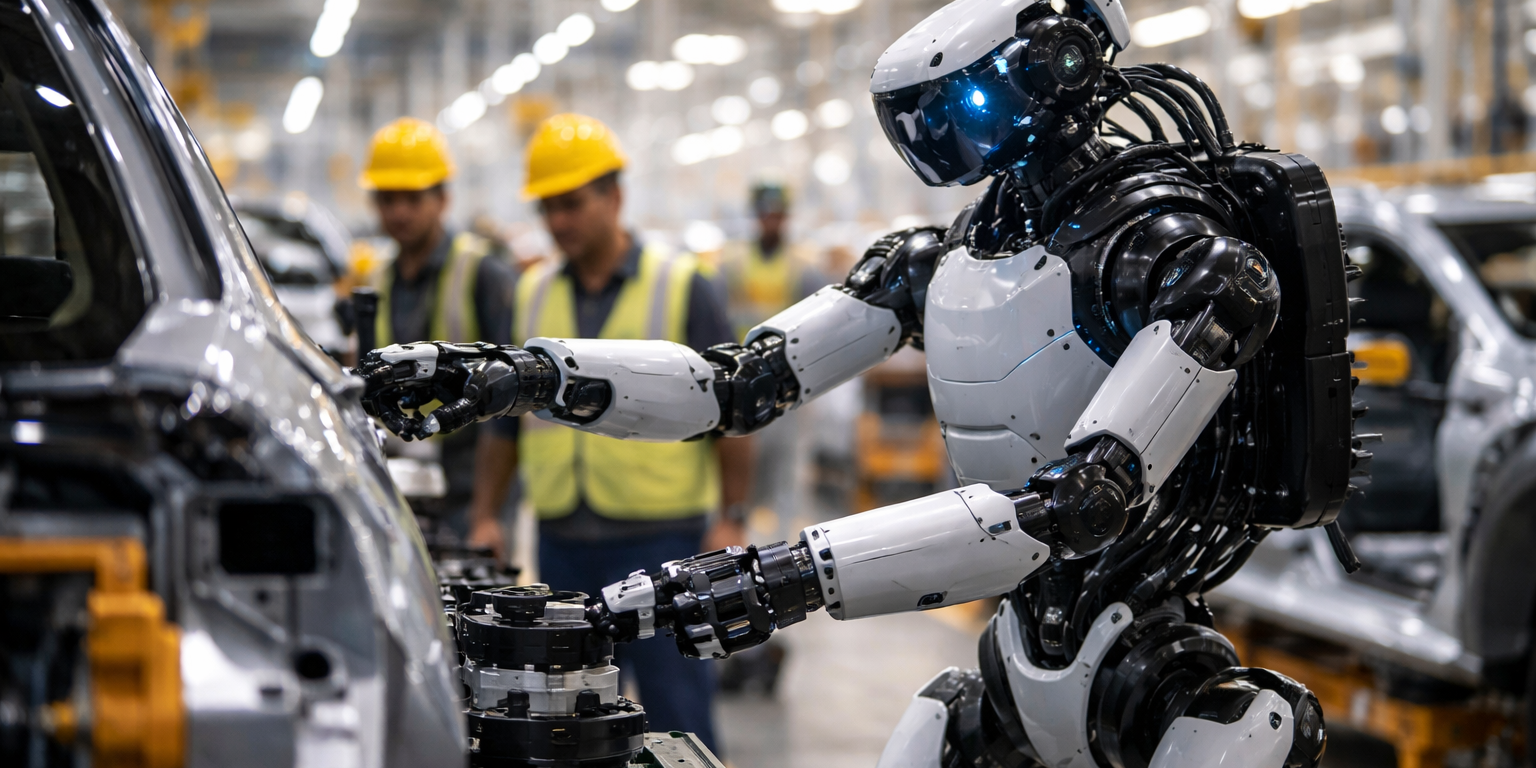
Figure AI, Agility Robotics, and Tesla now represent the entirety of serious American commercial activity in humanoid robotics, a concentration that stands in sharp contrast to China's fragmented market of dozens of manufacturers competing on price and delivery timelines. The three U.S. firms have collectively filed more than 400 patent applications covering bipedal locomotion, manipulation, and vision systems since 2021, according to analysis of USPTO records. That number reflects a calculated bet: the companies building the most defensible technology moats will capture enterprise contracts and licensing revenue even if they never match Chinese production volumes.
The strategic difference is structural. Chinese humanoid manufacturers including Unitree, Fourier Intelligence, and Leju Robotics operate in a domestic market where government procurement, factory automation projects, and consumer electronics distribution channels provide immediate revenue opportunities. Speed to market matters more than patent portfolios when provincial governments are issuing purchase orders and Foxconn is evaluating suppliers for its Shenzhen assembly lines. American firms face a different calculus. Figure AI raised $675 million in February 2024 at a $2.6 billion valuation with backing from Microsoft, NVIDIA, and Amazon's Industrial Innovation Fund. That capital structure reflects investor expectations of licensing deals and enterprise deployments, not hardware sales at scale. Agility Robotics began shipping Digit units to Amazon fulfillment centers in late 2023 under a pilot program that prioritizes reliability and liability management over unit economics. Tesla's Optimus program remains the outlier, with Elon Musk projecting internal factory deployment in 2025 and external sales by 2026, but even Tesla's approach emphasizes vertical integration and proprietary actuator technology rather than competing on sticker price.
Patent activity reveals the technical focus areas where American firms expect to establish defensible positions. Figure AI has filed extensively on end-effector designs and object manipulation algorithms, reflecting the company's emphasis on warehouse and logistics applications where dexterous handling of varied items determines commercial viability. Agility's patents concentrate on bipedal stability and navigation in dynamic environments, the core competencies required for a robot moving through human-designed spaces without dedicated infrastructure. Tesla's filings span the full stack from motor control systems to training architectures for vision-based manipulation, consistent with the company's broader strategy of owning every layer of the technology from silicon to software. The shared thread across all three portfolios is an emphasis on solving hard problems rather than incremental improvements to existing designs. None of the three companies is patenting cosmetic features or minor variations on published research. The applications describe novel actuator configurations, sensor fusion techniques, and control algorithms that represent genuine technical advances.
The Chinese approach reflects different market dynamics and a different endgame. Dozens of companies are shipping humanoid platforms in the $15,000 to $50,000 range, targeting research labs, promotional applications, and speculative purchases by manufacturers exploring automation options. That volume creates immediate feedback loops and manufacturing learning curves but fragments the market and reduces individual companies' incentive to invest in patent portfolios that competitors can design around. The exception is Fourier Intelligence, which has filed more than 150 patents and positions itself as a premium supplier to healthcare and research institutions. Most Chinese manufacturers operate under the assumption that production scale and supply chain integration will matter more than intellectual property when humanoids reach mass deployment. That calculation may prove correct in domestic markets where Chinese platforms will dominate manufacturing and logistics applications simply through proximity and price. But it leaves Chinese firms vulnerable in markets where patent enforcement carries weight and enterprise customers demand indemnification.
The divergence will shape industry structure as humanoids move from pilot programs to production deployments over the next three to five years. American firms are building oligopolistic positions in specific applications where technical performance, liability considerations, and ecosystem integration outweigh price sensitivity. Figure AI's partnerships with BMW and Amazon position the company to become the default supplier for automotive and logistics applications in North America and Europe. Agility has first-mover advantage in bipedal warehouse robots that can work alongside humans without safety cages or workflow redesigns. Tesla's vertical integration and manufacturing scale give it unique economics if Optimus reaches internal production targets. Chinese manufacturers will own consumer and light industrial applications globally and enterprise markets within China, but may find Western markets closed or restricted by intellectual property barriers and national security considerations. The patent moats being built now will determine which companies can operate where and on what terms when the humanoid market reaches the tens of billions in annual revenue that both American and Chinese firms are projecting for the early 2030s.
What to Watch: Track Figure AI's manufacturing partnership announcements through Q2 2025 as the company transitions from prototypes to production units for BMW. Monitor Agility's deployment numbers at Amazon facilities, which will provide the first real-world data on humanoid reliability and total cost of ownership in enterprise settings. Watch for Tesla's internal deployment timeline updates at the next earnings call, particularly any metrics on Optimus units operating in Fremont or Austin factories. Chinese manufacturers' patent filing activity in U.S. and European jurisdictions will signal whether they intend to compete in Western markets or focus on domestic and developing market opportunities.