Fiber-optic controlled drones have appeared in southern Lebanon, according to multiple defense intelligence assessments reviewed by analysts at C4ISRNet, representing the first documented migration of the technology beyond the Russia-Ukraine theater where it was refined under intense electronic warfare pressure. The systems use physical cable links between operator and aircraft, rendering radio frequency jamming ineffective and forcing a fundamental rethink of counter-drone strategies that have relied on signal disruption since commercial quadcopters first appeared on battlefields in Syria a decade ago.
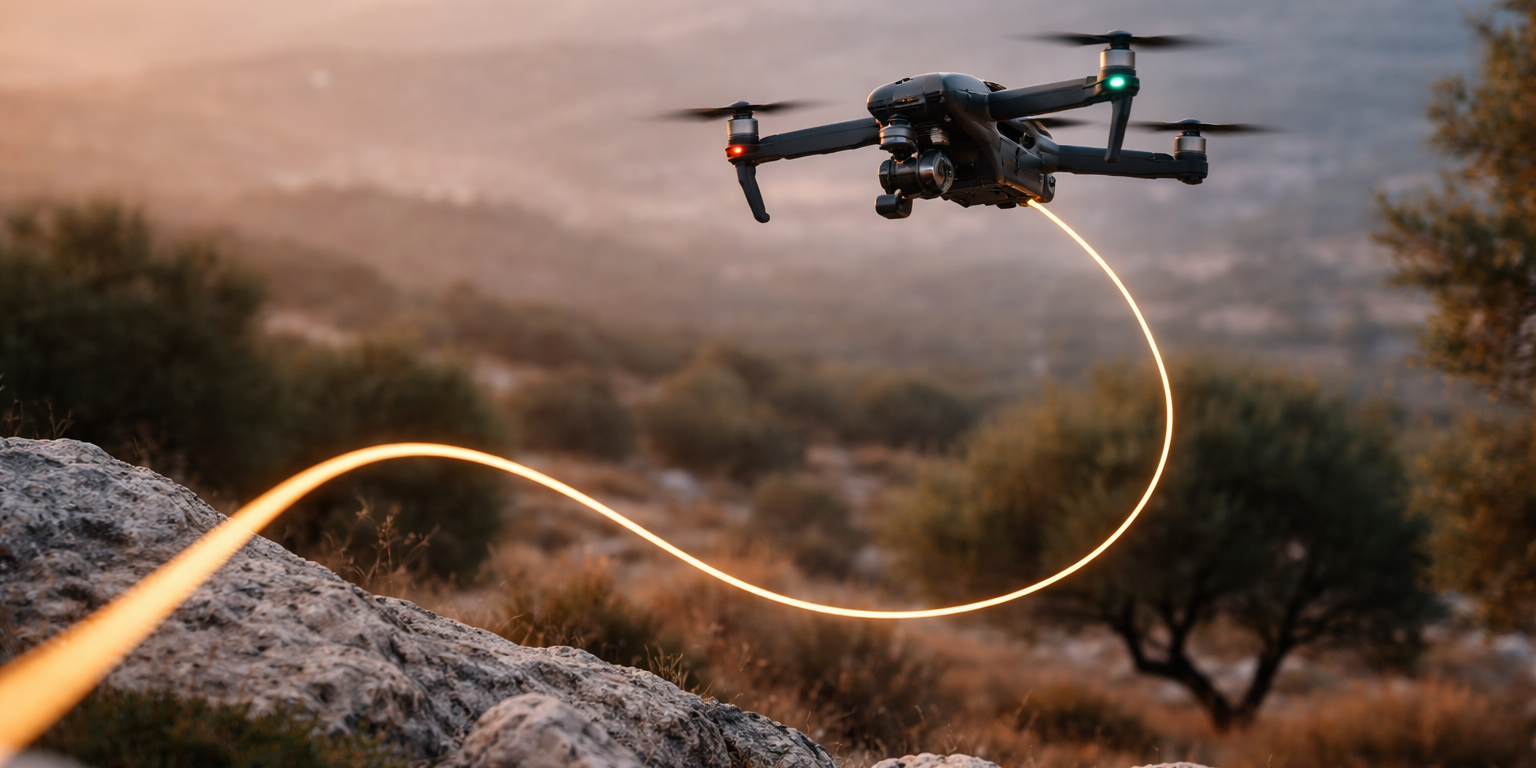
The technology itself is mechanically simple but operationally constraining. A thin fiber-optic cable spools out behind the drone during flight, maintaining a physical data link that transmits high-definition video and control signals without electromagnetic emissions. Ukrainian forces developed the approach after Russian Pole-21 and RB-301B jamming systems proved devastatingly effective against conventional radio-controlled platforms in 2023 and early 2024. By mid-2024, Ukrainian manufacturers including Metinvest and several smaller defense startups were producing fiber-optic drone kits at scale, with cables stretching six to ten kilometers allowing operators to remain behind cover while prosecuting targets. The cables themselves cost roughly twelve dollars per kilometer to manufacture, according to procurement documents obtained by open-source intelligence researchers, making the technology accessible to non-state actors with modest budgets. Hezbollah's acquisition of the systems likely occurred through direct technology transfer from Russian sources or via procurement networks operating in Turkey and the Caucasus, though the specific supply chain remains unconfirmed.
The operational implications for Israeli Defense Forces are considerable and immediate. Israeli electronic warfare doctrine has centered on the Rafael Advanced Defense Systems Drone Dome system and similar radio frequency countermeasures, which proved effective against previous generations of Hezbollah drones including the Iranian-supplied Ababil-T and Mirsad-1 platforms. Those systems are functionally useless against fiber-optic controlled threats. Kinetic interception becomes the only viable response, placing additional strain on Iron Dome batteries already tasked with rocket and missile defense and forcing Israeli forces to deploy more forward-positioned observation posts to detect low-altitude drone approaches before they reach high-value targets. The Israel Defense Forces have not publicly commented on specific countermeasures under development, but defense industry sources in Tel Aviv indicate accelerated procurement of short-range air defense systems including RADA's Multi-Mission Hemispheric Radar and additional Iron Dome batteries specifically configured for slow-moving aerial targets.
The technology's appearance in Lebanon validates predictions made by military technology analysts throughout 2024 and 2025 that innovations pressure-tested in Ukraine would diffuse rapidly to other conflict zones. Fiber-optic control is not the only Ukrainian battlefield innovation spreading globally. Drone swarm coordination software, first-person-view kamikaze platforms, and AI-assisted target recognition systems have all been documented in Yemen, Myanmar, and the Sahel region since late 2025. The proliferation follows a pattern seen with previous technologies including improvised explosive devices from Iraq and commercial satellite imagery analysis from the Nagorno-Karabakh conflict. What distinguishes the current wave is the compression of the innovation-to-adoption timeline. Technologies proven effective in Ukraine in 2023 are appearing in secondary theaters within eighteen to twenty-four months, compared to the five-to-seven-year diffusion cycles observed with IED techniques in the 2000s. The acceleration reflects both the commercialization of drone components and the existence of established networks for transferring technical knowledge between non-state actors and their state sponsors.
Defense contractors are responding with development programs aimed at countering fiber-optic systems through non-electronic means. DroneShield in Australia has demonstrated laser-based countermeasures designed to sever fiber-optic cables at ranges up to 800 meters, though the system remains in prototype stage with no confirmed production contracts. Anduril Industries has filed patents for AI-powered projectile systems that calculate cable trajectory and target the physical link rather than the drone itself, potentially offering a more cost-effective solution than dedicated energy weapons. The U.S. Defense Innovation Unit issued a request for information in March 2026 seeking proposals for counter-fiber-optic-drone capabilities, with responses due in August 2026 and contracts expected by the fourth quarter. European defense ministries have been slower to respond, though Estonia and Poland have both allocated funding for research programs examining the threat.
What to Watch: Monitor Israeli Defense Forces procurement announcements through July and August 2026 for accelerated acquisitions of short-range air defense systems, particularly additional RADA radar units and Iron Dome batteries. Track the U.S. Defense Innovation Unit's counter-drone solicitation closing in August for indications of which technical approaches the Pentagon considers most promising. Watch for Chinese defense manufacturers to introduce fiber-optic drone kits at the November 2026 Zhuhai Airshow, which would signal the technology's full commoditization. Follow open-source intelligence reports from Yemen and Syria for additional confirmed sightings of fiber-optic systems outside Lebanon.