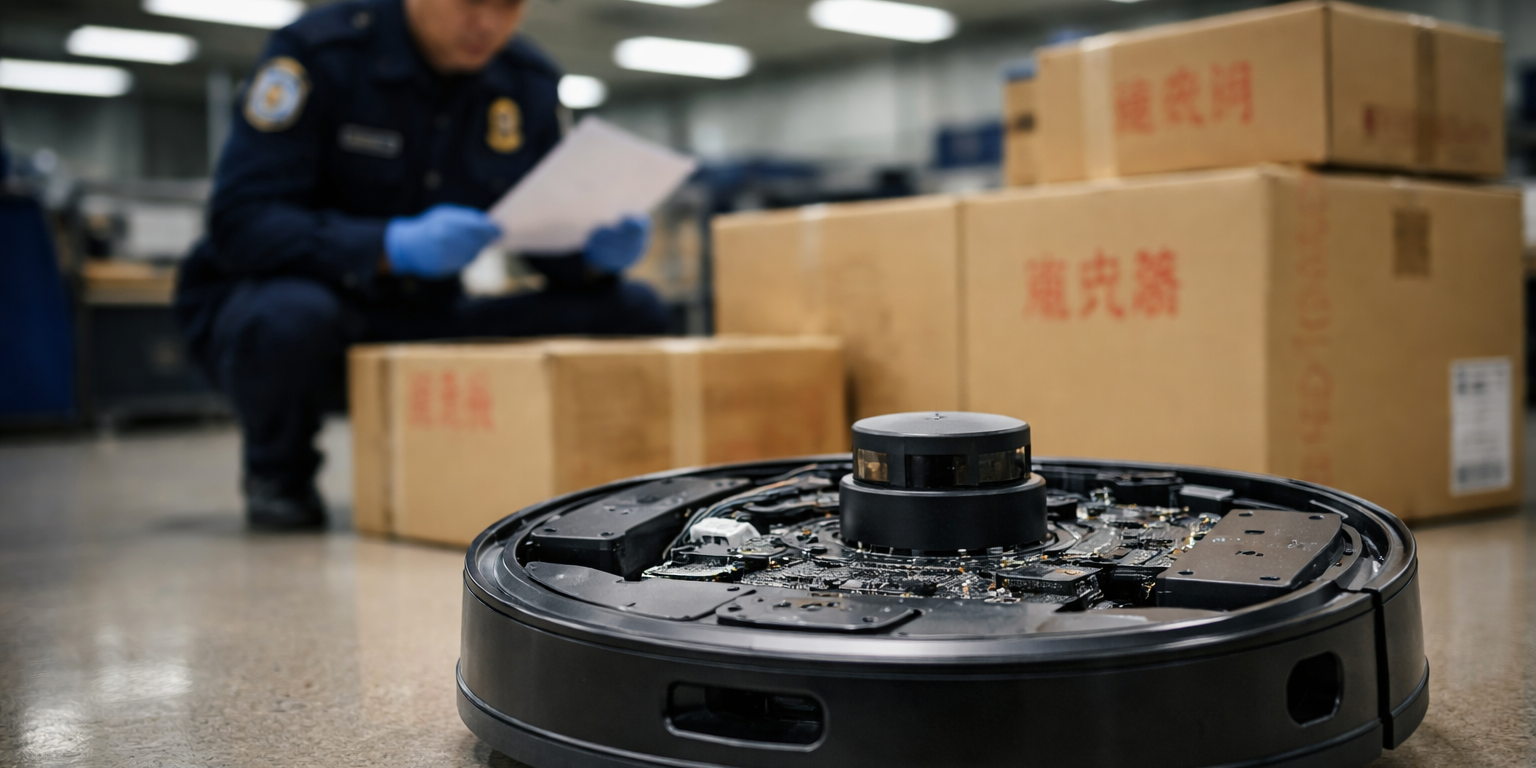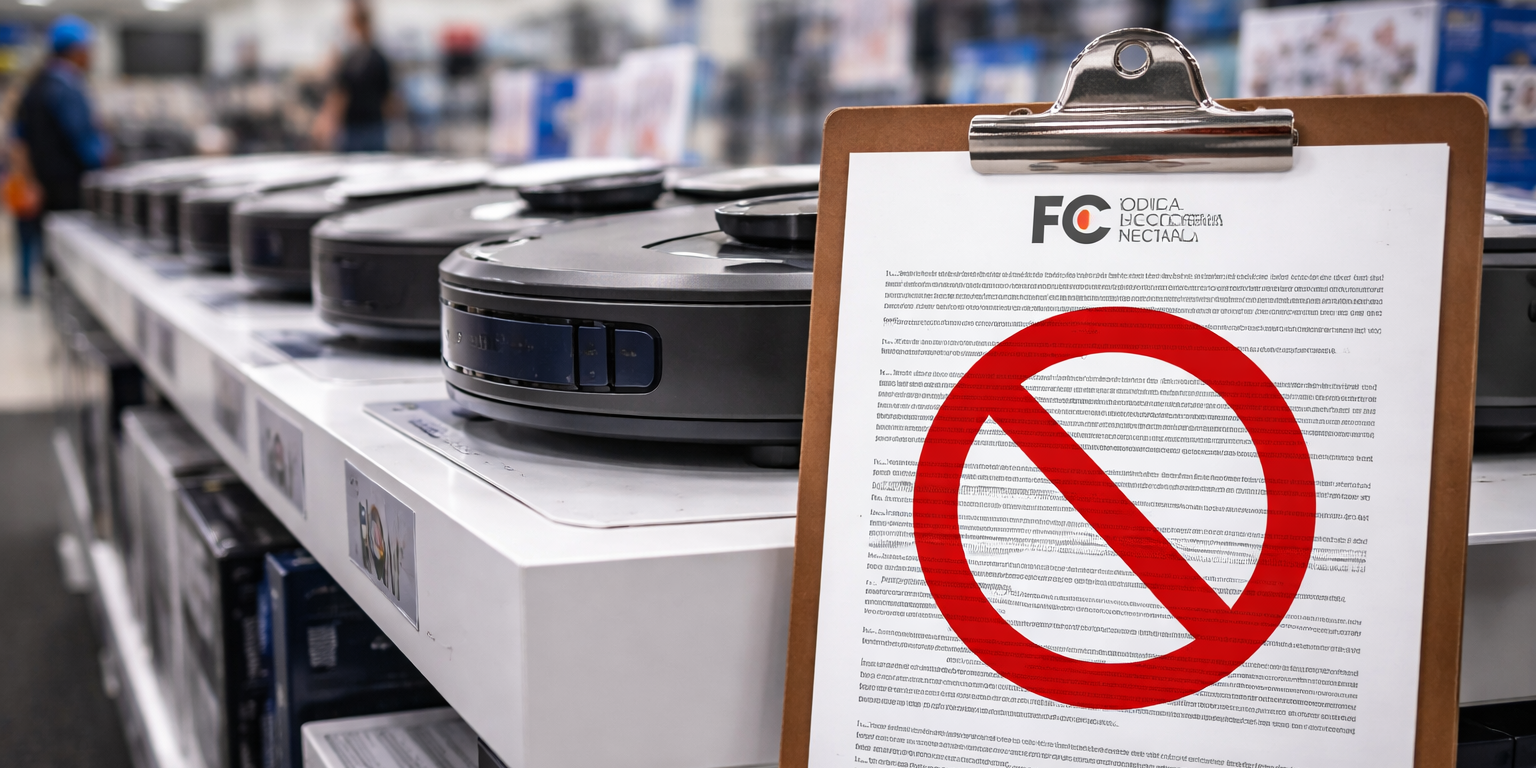
The Federal Communications Commission's sweeping prohibition on foreign-manufactured advanced robotic devices now explicitly covers robot vacuums and autonomous lawn mowers, pulling consumer products into a regulatory framework initially understood to target industrial and military applications. Chinese manufacturers Roborock, Ecovacs, and Dreame, which together account for an estimated $2.1 billion in annual U.S. robot vacuum sales, face compliance deadlines that could force product redesigns or market exits. The FCC clarified the scope in guidance issued last week, confirming that any autonomous device using LiDAR navigation, simultaneous localization and mapping algorithms, or networked fleet management falls under the advanced robotics designation regardless of application domain.
The ban stems from executive authority granted under the Secure Equipment Act, legislation that previously focused on telecommunications hardware from designated foreign entities. Regulators expanded interpretation to cover robotics following testimony from the Defense Innovation Unit highlighting dual-use concerns with mapping-capable autonomous systems. Robot vacuums from Roborock, Ecovacs, and Dreame use laser-based SLAM identical in principle to warehouse robots and military reconnaissance platforms, generating high-resolution floor plans that upload to cloud servers in multiple jurisdictions. The FCC determined this constitutes a potential surveillance vector, particularly in government facilities, defense contractor offices, and critical infrastructure sites where consumer devices often operate without security review. Ecovacs alone reported 4.3 million connected devices active in North America as of Q2 2026, each transmitting spatial data multiple times daily.
The regulatory action arrives as Chinese manufacturers dominate consumer robotics categories once led by American firms. iRobot, the Massachusetts company that pioneered the Roomba in 2002, saw its market share collapse from 61% in 2019 to 18% by end of 2025, according to Circana retail data. Amazon's proposed $1.7 billion acquisition of iRobot collapsed in January 2024 amid European regulatory objections, leaving the company without capital for competitive product development. Roborock and Ecovacs filled the void with feature-rich models priced 30-40% below comparable iRobot offerings, using Xiaomi's manufacturing ecosystem and vertical integration that American competitors cannot match at scale. Dreame Technology, a Xiaomi subsidiary that entered the U.S. market in 2023, ships models with base stations that empty bins, refill cleaning solution, and wash mop pads autonomously, capabilities that require years of robotics development or licensing from established players. The FCC's move effectively mandates hardware redesigns that eliminate cloud connectivity or shift data processing entirely on-device, engineering challenges that could take 18-24 months and add $150-200 to per-unit costs.
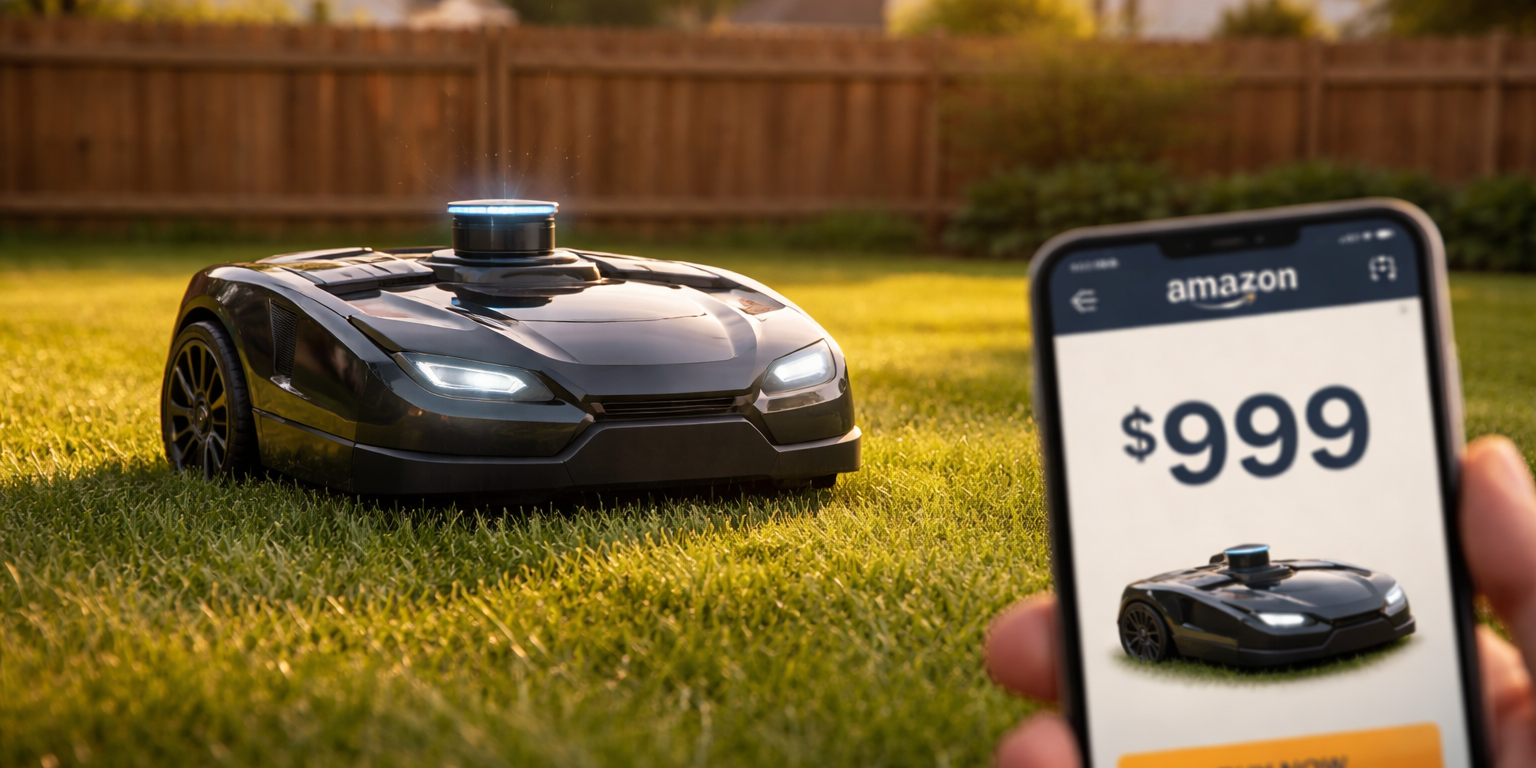
Robot lawn mowers represent a smaller but faster-growing category caught in the regulatory sweep. Husqvarna, the Swedish manufacturer that pioneered boundary-wire robotic mowers in 1995, uses European production and falls outside the ban. But budget models from Chinese firms Mammotion, Novabot, and Luba using vision-based navigation without perimeter wires now account for 40% of units sold below $1,500, a segment growing at 85% year-over-year. These devices map property boundaries using RTK-GPS and computer vision, creating persistent outdoor maps that the FCC considers sensitive location data. Compliance pathways remain unclear for hybrid devices that combine Chinese sensor manufacturing with U.S. final assembly, a strategy several brands explored following initial ban discussions in late 2025. The commission indicated that countries of origin for core navigation components, not final assembly location, determine regulatory status. Legal challenges appear likely, with the Consumer Technology Association preparing briefs arguing the FCC exceeded statutory authority by expanding equipment bans beyond telecommunications without explicit congressional direction.
What to Watch: Roborock and Ecovacs will likely announce U.S.-specific product lines by Q1 2027, potentially using domestic lidar suppliers like Ouster or Aeva to satisfy component origin requirements. Monitor whether Amazon revives interest in iRobot given reduced Chinese competition, or whether the company pursues organic development using Astro home robot technology. Track FCC guidance on retrofit certification for devices already in homes, which could require firmware updates disabling cloud features for an estimated 12-15 million units currently operating in the U.S.