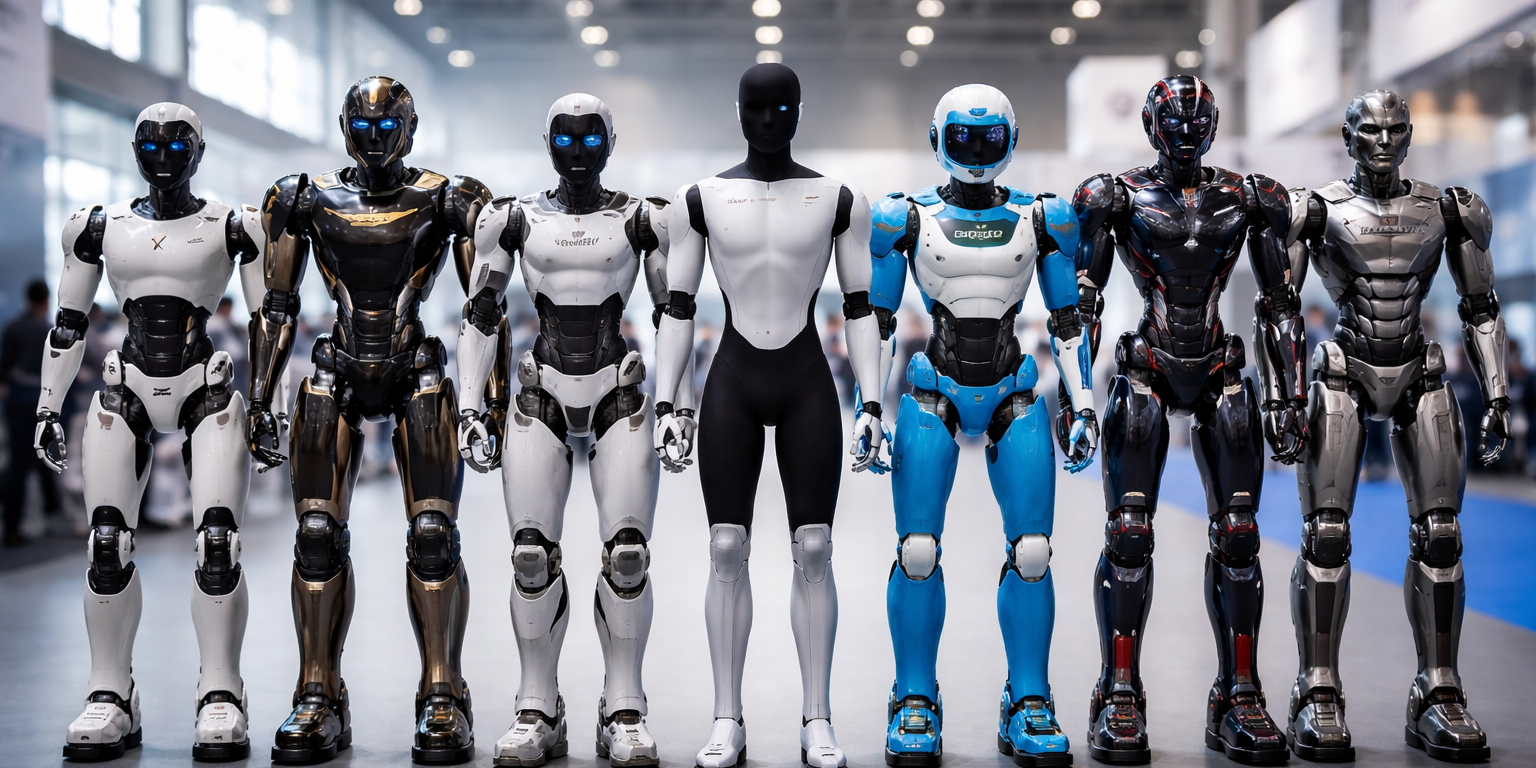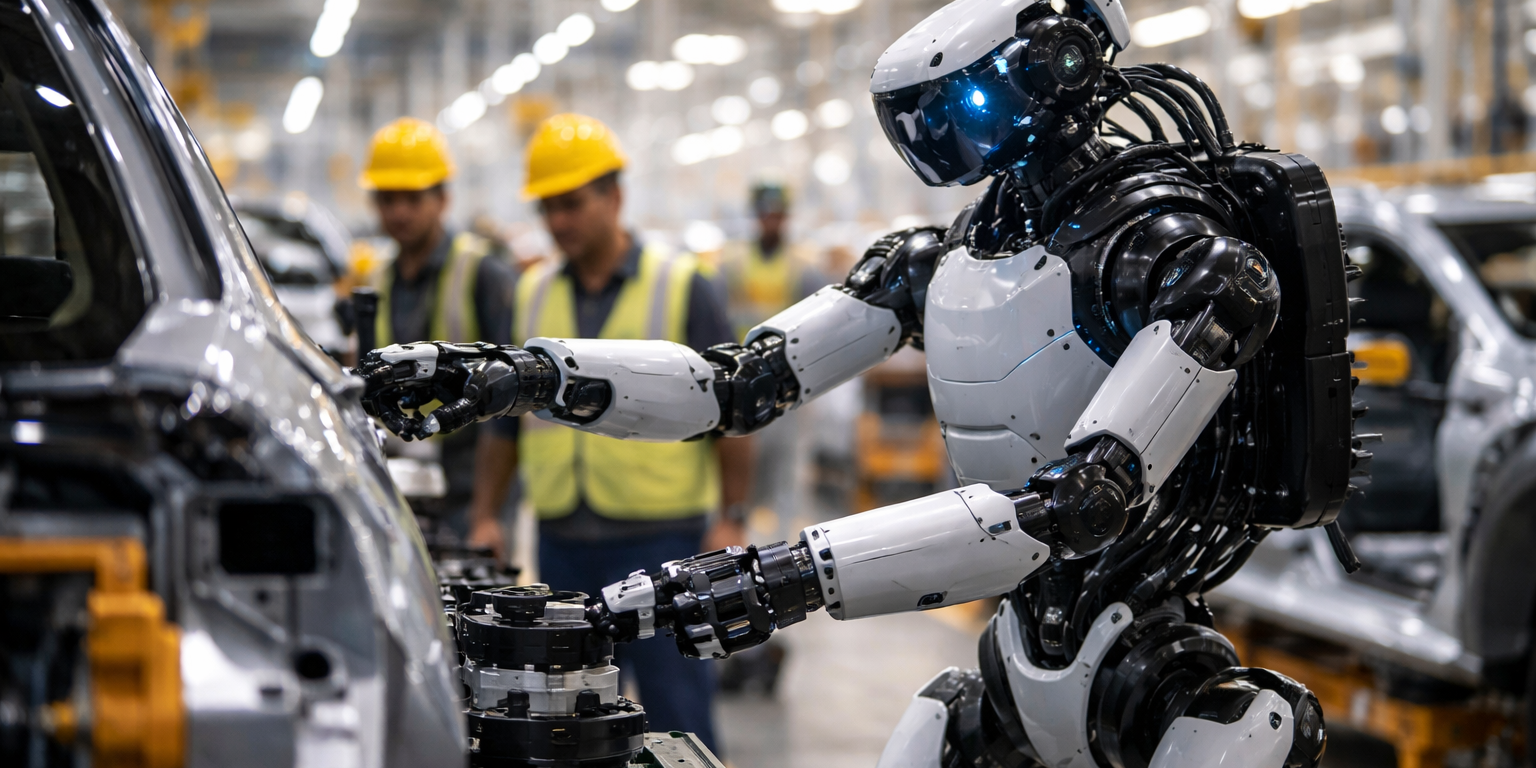
The Federal Communications Commission has moved to restrict imports of select foreign-manufactured humanoid and mobile robots, according to multiple industry sources who received guidance from the agency in recent weeks. The action targets robots with integrated wireless communication systems from countries the FCC has deemed security risks, though the commission has not released a comprehensive public list of affected manufacturers or models. The policy applies to any robot platform incorporating LTE, 5G, or other radio frequency components subject to FCC equipment authorization.
The restrictions arrive as U.S. companies face intensifying competition from overseas manufacturers, particularly in the sub-$20,000 humanoid segment where Chinese firms like Unitree and startups emerging from Shenzhen's hardware ecosystem have undercut domestic pricing by 40 to 60 percent. Boston Dynamics, Agility Robotics, and Apptronik have watched their addressable markets fragment as international alternatives flooded warehouses, research labs, and pilot programs over the past eighteen months. Industry observers note the FCC action follows a pattern established in telecommunications equipment, where federal agencies restricted network hardware from specific vendors on national security grounds beginning in 2019. The robotics extension reflects growing government concern about data collection and remote access capabilities in machines deployed across logistics networks, manufacturing floors, and public spaces.
The policy has fractured the robotics community along predictable lines. Domestic manufacturers privately welcomed the news, viewing it as breathing room to scale production and refine products without competing against subsidized foreign alternatives. One executive at a Massachusetts-based humanoid maker, speaking on condition of anonymity because the company has not issued a public statement, said the restrictions could help American firms "build sustainable businesses instead of fighting a race to the bottom on hardware costs." That executive noted their company has struggled to justify R&D spending when customers can purchase comparable platforms from overseas at half the price, even if those platforms lack the same support infrastructure or upgrade paths. Investors in U.S. robotics companies have similarly expressed cautious optimism, though several venture capital firms told RoboticsIntl.com they worry about retaliation measures that could lock American robots out of foreign markets.
Research institutions and smaller startups occupy the opposite camp. University robotics labs depend heavily on affordable hardware platforms to train graduate students and test algorithms, and the sub-$30,000 price point has opened previously inaccessible research paths. A robotics professor at Carnegie Mellon University told colleagues in a widely circulated email that the restrictions would "set back research timelines by forcing labs to either wait months for domestic alternatives or spend grant budgets on hardware instead of personnel." Startups building perception software, manipulation algorithms, or teleoperation systems echoed the concern, noting they typically iterate on third-party robot platforms before developing proprietary hardware. One founder said his team had planned to deploy 15 foreign-made mobile robots across customer sites in late 2026 for data collection, and the FCC restrictions have thrown those plans into uncertainty. The policy does include a limited exemption process for research and development purposes, but the application requirements and approval timelines remain unclear. Several companies attempting to navigate the exemption process report conflicting guidance from different FCC regional offices.
The restrictions also surface questions about enforcement and scope. The FCC has authority over radio frequency equipment, but many modern robots incorporate multiple wireless systems—WiFi for local control, cellular for remote monitoring, Bluetooth for peripherals, and proprietary protocols for fleet coordination. Industry lawyers say the interpretation of which systems trigger import restrictions will determine whether the policy becomes a narrow filter or a broad barrier. A Seattle-based trade compliance attorney noted that some manufacturers may attempt to ship robots without wireless modules installed, then add those components domestically, though that approach introduces assembly costs and potential reliability issues. The FCC has not clarified whether robot platforms capable of accepting wireless modules but shipped without them fall under the restrictions. The agency also has not addressed how the policy applies to robots already in the country, whether organizations that purchased foreign platforms before the restrictions can receive parts and service, or how long the restrictions will remain in effect.
What to Watch: The FCC is expected to publish a formal list of restricted manufacturers and affected robot models by September 2026, according to sources familiar with the rulemaking process. Domestic humanoid makers including Agility Robotics and Apptronik will likely announce pricing and availability updates in the coming quarter to capitalize on reduced foreign competition. Watch for potential trade retaliation from affected countries, particularly any restrictions on U.S. robotics exports to Asian markets. University research labs and federal funding agencies will clarify how the restrictions affect government-funded robotics programs, which could shape demand for exemptions.