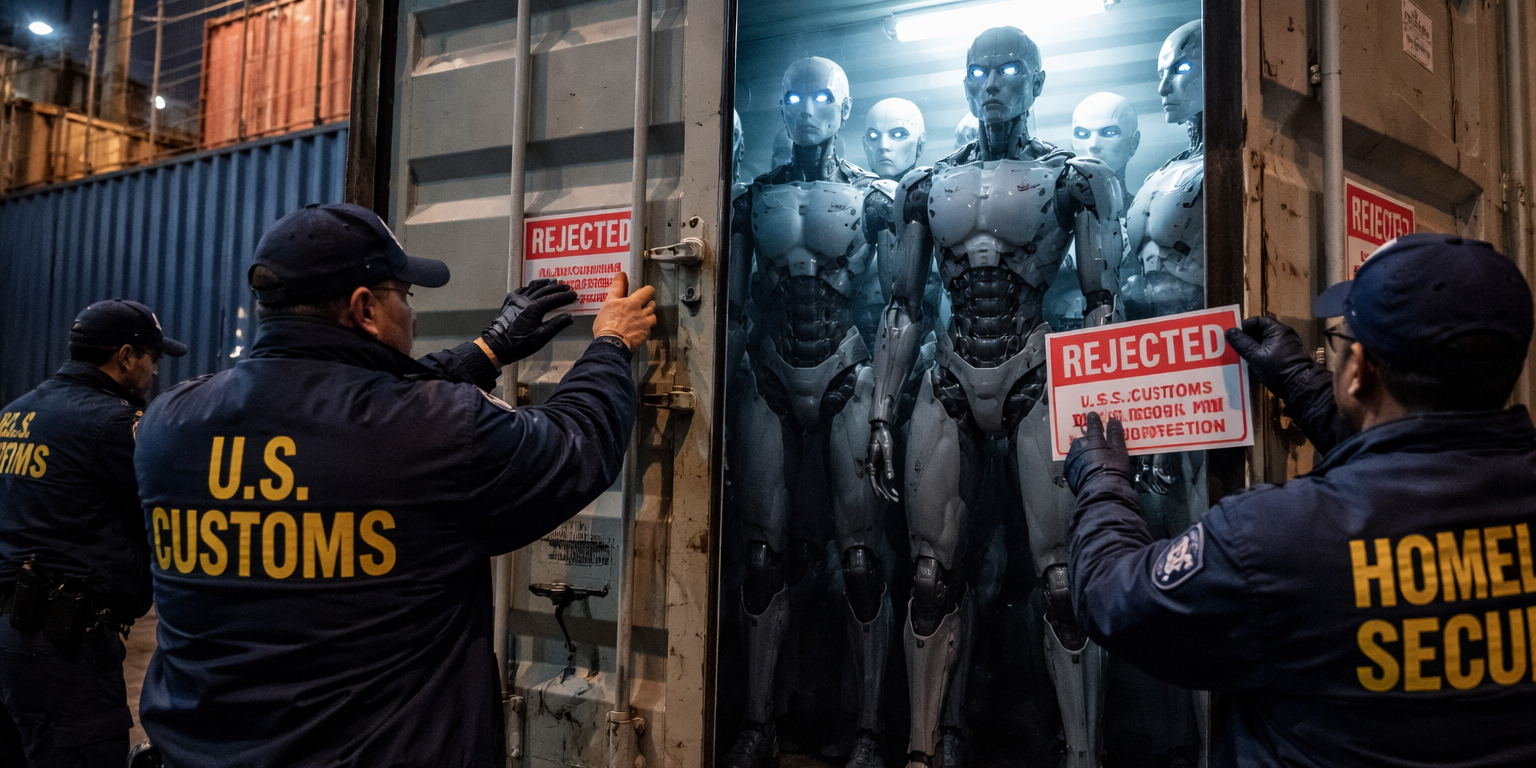
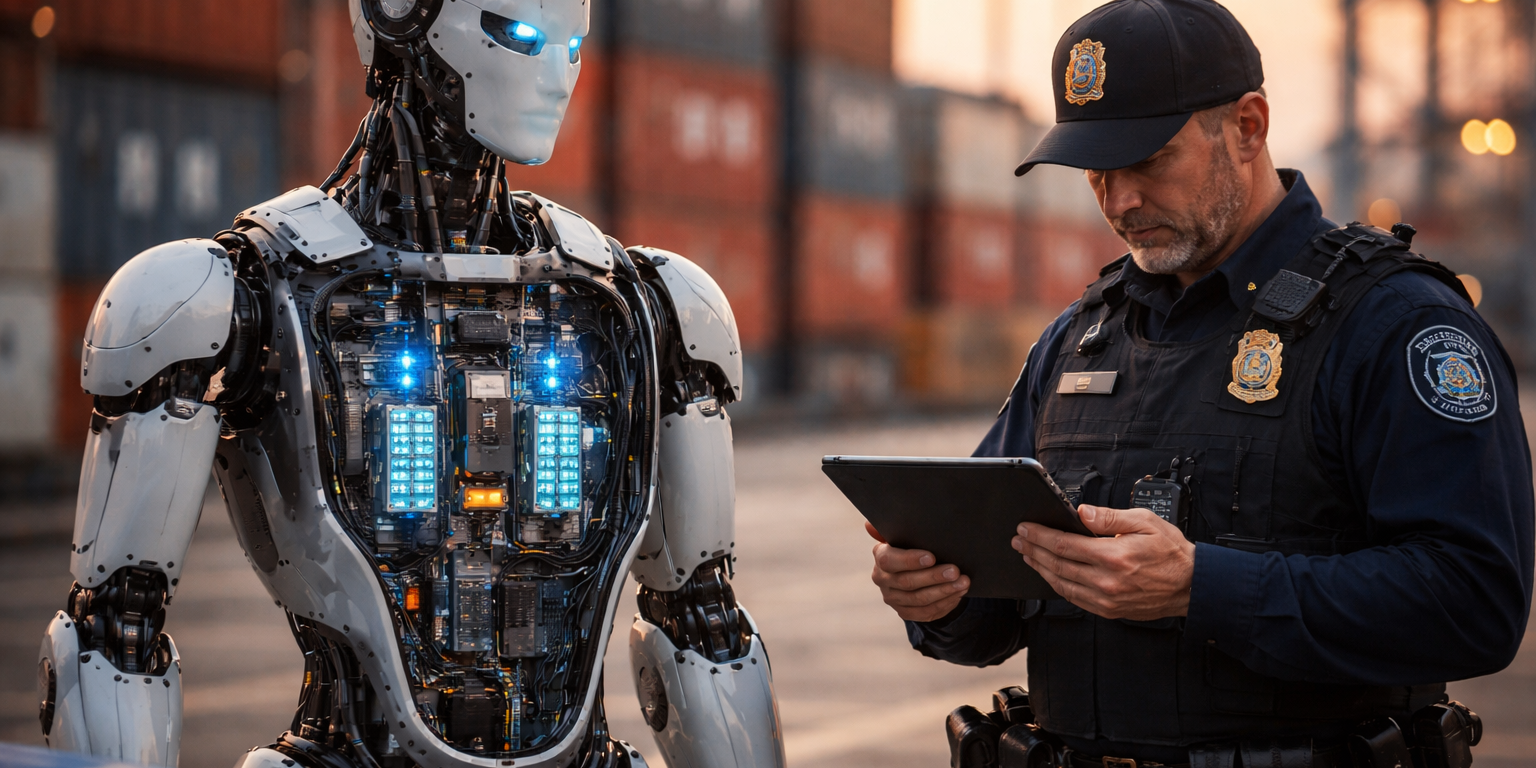
The Federal Communications Commission announced import restrictions on specific categories of foreign-manufactured humanoid and mobile robots, applying regulatory scrutiny typically reserved for telecommunications equipment to autonomous hardware. The agency has not publicly disclosed which manufacturers or model lines fall under the ban, but sources familiar with the decision indicate the restrictions target robots with advanced wireless communication capabilities and onboard AI processing that could interface with U.S. network infrastructure. Trade attorneys estimate the ruling affects between 15 and 25 percent of humanoid robots currently sold into the American market, primarily models developed in China, South Korea, and Japan.
The regulatory action builds on a framework established for telecommunications hardware, where national security concerns drove restrictions on equipment from specific foreign vendors. FCC officials justified the robot import limits by citing potential vulnerabilities in how these machines authenticate to commercial and industrial networks, arguing that embodied AI systems represent a novel threat surface compared to stationary connected devices. Unlike previous trade measures that relied on tariffs or voluntary compliance, this ruling creates an outright prohibition on importing and selling affected models. Companies found in violation face fines reaching $200,000 per unit and potential criminal referral for officers who knowingly circumvent the restrictions.
Reaction from robotics manufacturers splits predictably along geographic lines. Executives at U.S.-based humanoid developers welcome the breathing room against international competitors who have, in some cases, achieved superior price-to-performance ratios through vertically integrated supply chains and government subsidies. One chief technology officer at a Boston-area robotics firm, speaking on background, described the FCC decision as overdue protection for an industry where American companies invest heavily in safety validation and liability insurance while foreign rivals operate under looser regulatory environments. Conversely, warehouse automation providers and logistics companies that have piloted foreign-made autonomous mobile robots warn the restrictions will increase procurement costs and delay deployments already scheduled for late 2026 and early 2027. A vice president of operations at a third-party logistics provider noted his company had planned to deploy 200 mobile robots from an affected manufacturer across five fulfillment centers by the fourth quarter of 2026, a timeline now in jeopardy.
The ban introduces new complexity into an already fragmented regulatory landscape for commercial robotics. While the FCC addresses import controls, the Occupational Safety and Health Administration maintains jurisdiction over workplace safety for robots, the National Highway Traffic Safety Administration oversees autonomous delivery vehicles on public roads, and the Food and Drug Administration regulates surgical robots. No single agency holds comprehensive authority over embodied AI systems, creating jurisdictional gaps that manufacturers navigate through patchwork compliance. Trade groups including the Robotics Industries Association have pushed for unified federal standards, arguing that inconsistent state and local regulations combined with agency-specific import rules raise barriers to entry that hurt smaller innovators most. Some industry observers believe the FCC action, regardless of its stated national security rationale, functions as de facto industrial policy favoring domestic manufacturers who lack the production scale to compete on price alone.
Longer-term implications depend heavily on whether affected foreign manufacturers establish U.S.-based assembly operations or pursue legal challenges to the import restrictions. Several Chinese robotics companies have already announced plans to evaluate partnerships with American contract manufacturers, though such arrangements would require significant capital investment and could take 18 to 24 months to operationalize. Legal experts anticipate court challenges arguing the FCC exceeded its statutory authority by regulating embodied AI devices rather than communication networks, potentially setting up a test case on how existing regulatory frameworks apply to emerging technologies. Meanwhile, research institutions that rely on foreign-made robots for academic work have requested exemptions, claiming the restrictions impede scientific collaboration and slow development of safety standards that require testing across diverse hardware platforms.
What to Watch: Monitor whether major Chinese humanoid manufacturers including Unitree Robotics and UBTECH announce U.S. manufacturing partnerships before the 90-day compliance deadline. Track potential legal challenges from affected companies in federal court, particularly arguments on FCC jurisdictional overreach. Watch for guidance from the Department of Commerce on whether existing robots already deployed in U.S. facilities face retrofit requirements or grandfather protections. Pay attention to Senate Commerce Committee hearings scheduled for September 2026, where lawmakers are expected to question FCC commissioners on the technical criteria used to determine which robots face import restrictions.