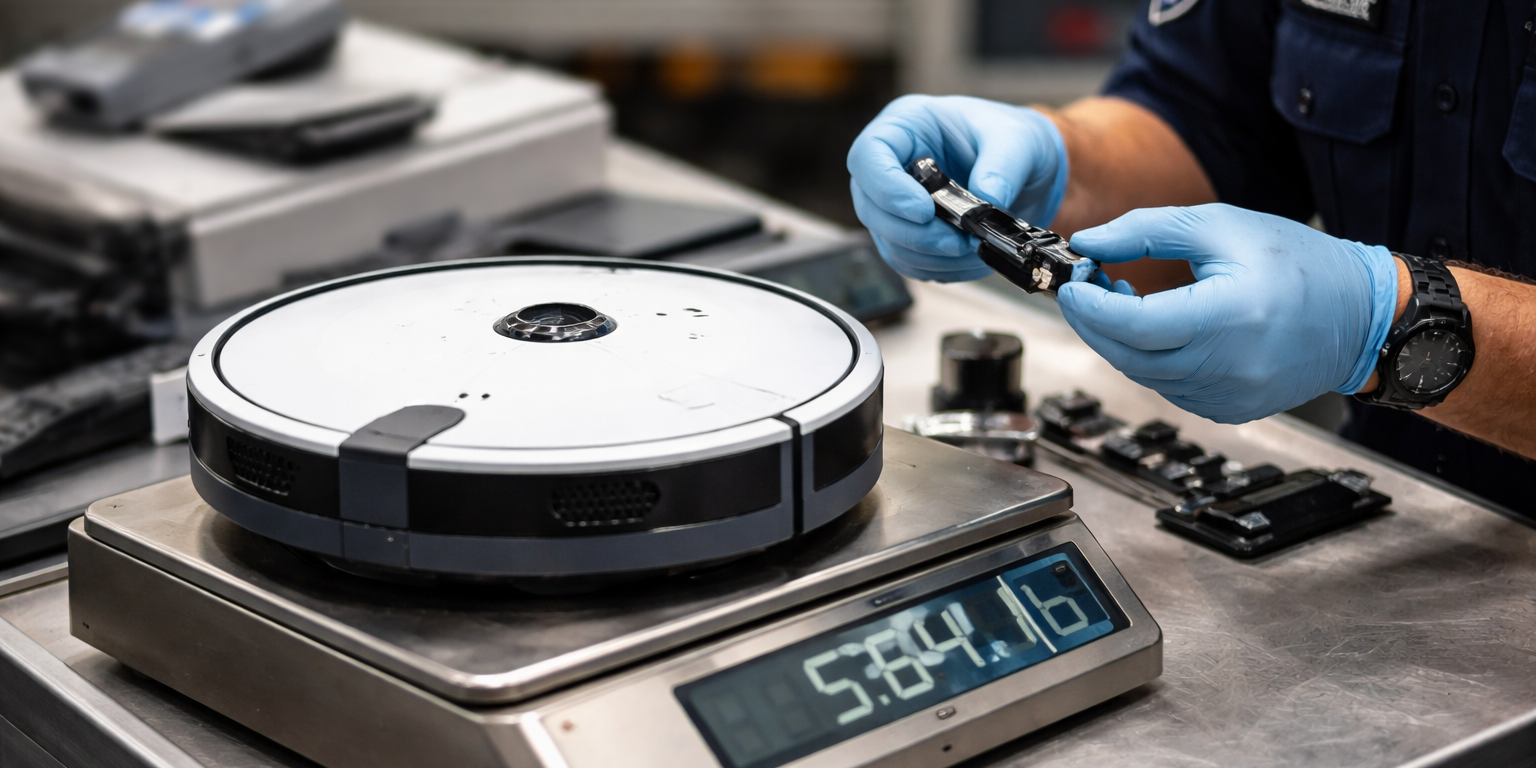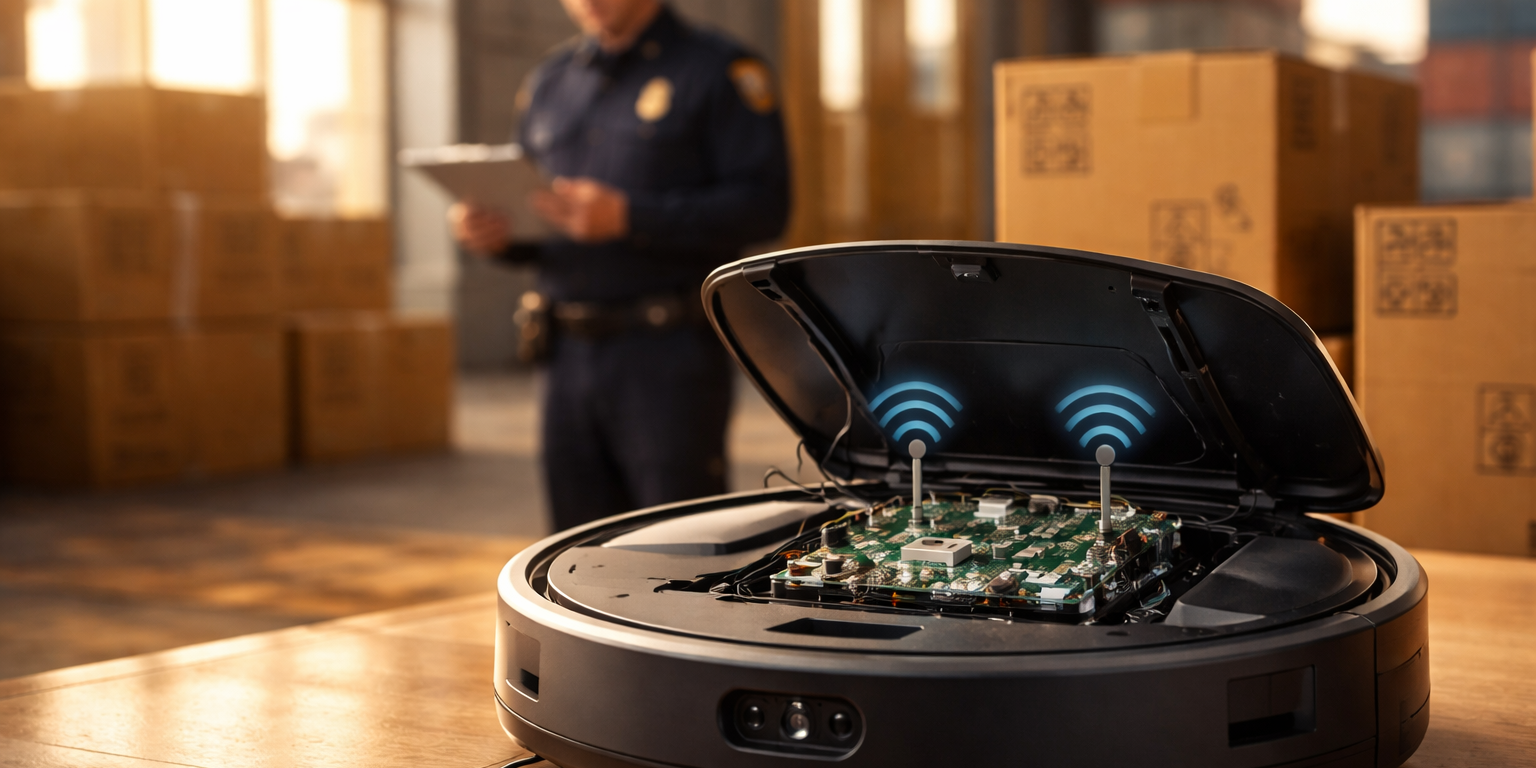
Foreign manufacturers shipping robot vacuums and autonomous lawn mowers into the United States now confront a Federal Communications Commission authorization framework that didn't exist six months ago. The agency confirmed in July 2026 that devices utilizing wireless communication protocols for navigation, app connectivity, or cloud integration must pass enhanced equipment certification before retail distribution. Legal analysts reviewing the policy language point to provisions that raise the bar disproportionately for production facilities located outside the United States, Canada, and Mexico. The restriction stops short of banning devices already in consumer homes, but it creates what trade attorneys describe as a two-tier approval system that favors domestic assembly. Companies with Asian supply chains face the brunt of the impact. Ecovacs, Roborock, and Dreame Technology built their US market share on Shenzhen manufacturing and direct-to-consumer shipping models that bypass traditional distributor networks. Those models now require FCC authorization that includes supply chain documentation, factory audits, and proof of cybersecurity testing conducted at US-certified laboratories. The authorization process adds an estimated four to six months to product launch timelines and costs between $80,000 and $150,000 per device variant, according to compliance consultants who spoke on background. iRobot, which manufactures some models in Malaysia but maintains headquarters in Massachusetts, appears positioned to navigate the requirements more easily than pure-play imports.
The commission framed the policy as a national security measure targeting devices that collect spatial mapping data, transmit user behavior patterns, or accept over-the-air firmware updates. FCC Commissioner Jessica Rosenworcel cited concerns about data exfiltration to foreign servers and the potential for unauthorized device access through compromised update mechanisms. She did not name specific countries during the July announcement, but the authorization criteria reference compliance with supply chain security standards that effectively exclude Chinese-manufactured components in critical subsystems. Wireless chipsets, LiDAR modules, and camera arrays fall under the most scrutinized categories. Manufacturers must demonstrate that these components either originate from approved suppliers or undergo independent security validation. The policy mirrors export control language that the Commerce Department applied to telecommunications equipment in 2024, but extends its reach into consumer robotics for the first time. Industry observers note that the FCC traditionally regulated spectrum use and interference, not geopolitical supply chain risk. The expansion represents a significant shift in the agency's mandate, one that robotics companies didn't anticipate when planning 2026 product roadmaps.
Vacuum manufacturers importing to the United States saw the regulatory environment tighten gradually over three years before this policy took effect. The Product Safety Commission flagged lithium battery fires in robotic cleaners during 2023, prompting voluntary recalls that affected over 400,000 units. The Department of Energy released efficiency standards in early 2024 that required new motor designs. Then the FCC began issuing information requests to importers in late 2025, asking for technical specifications on wireless communication protocols and data handling practices. Companies that ignored those requests or provided incomplete responses now find themselves in a lengthier authorization queue. Shark Ninja, which sources components globally but assembles in Mexico, submitted compliance documentation in February 2026 and received authorization for its latest model in May. Roborock filed in March and remains under review. The company told investors during its second quarter earnings call that US authorization delays could push its flagship S9 model launch into the first quarter of 2027, missing the critical holiday shopping window. Revenue projections for North America dropped 18 percent in response. Smaller brands face even steeper challenges. Manufacturers selling fewer than 50,000 units annually in the United States often lack the legal and engineering resources to shepherd products through a multi-month certification process that requires US-based testing facilities.
Retail pricing already reflects the regulatory friction. The average selling price for a robot vacuum with mapping capability increased 12 percent between January and June 2026, according to NPD Group data tracking major electronics retailers. Some of that increase stems from component inflation and tariff adjustments, but industry analysts attribute at least half the rise to authorization costs that manufacturers pass directly to consumers. Best Buy reduced its robot vacuum assortment by 23 SKUs in the second quarter, cutting models from brands that couldn't confirm FCC clearance timelines. Amazon continues listing unauthorized models from third-party sellers, but the company added disclosure language warning buyers that devices may not meet current regulatory standards. Legal experts say that language shields Amazon from liability but leaves consumers uncertain about long-term software support and warranty coverage. The market fragmentation benefits incumbents with established US operations. iRobot's Roomba line gained three percentage points of market share in the second quarter despite no major product launches. The company's regulatory affairs team employs twelve full-time staff focused exclusively on compliance, a scale that startups and foreign entrants cannot match. IRobot declined to comment on whether it supports the FCC policy, but CEO Colin Angle told analysts the company views regulatory clarity as beneficial to the industry even when compliance costs rise.
What to Watch: The FCC will release a formal list of approved testing laboratories by September 2026, which should clarify timelines for manufacturers currently in the authorization queue. Watch whether Roborock and Ecovacs announce US partnerships with contract manufacturers in Mexico, a strategy that could satisfy supply chain requirements without abandoning Asian component suppliers. Monitor third-quarter earnings calls from major retailers to see if robot vacuum sales decline accelerates or stabilizes as the market adjusts to reduced model availability. Trade groups representing consumer electronics importers have signaled intent to challenge the policy in federal court, with a filing expected before year-end.