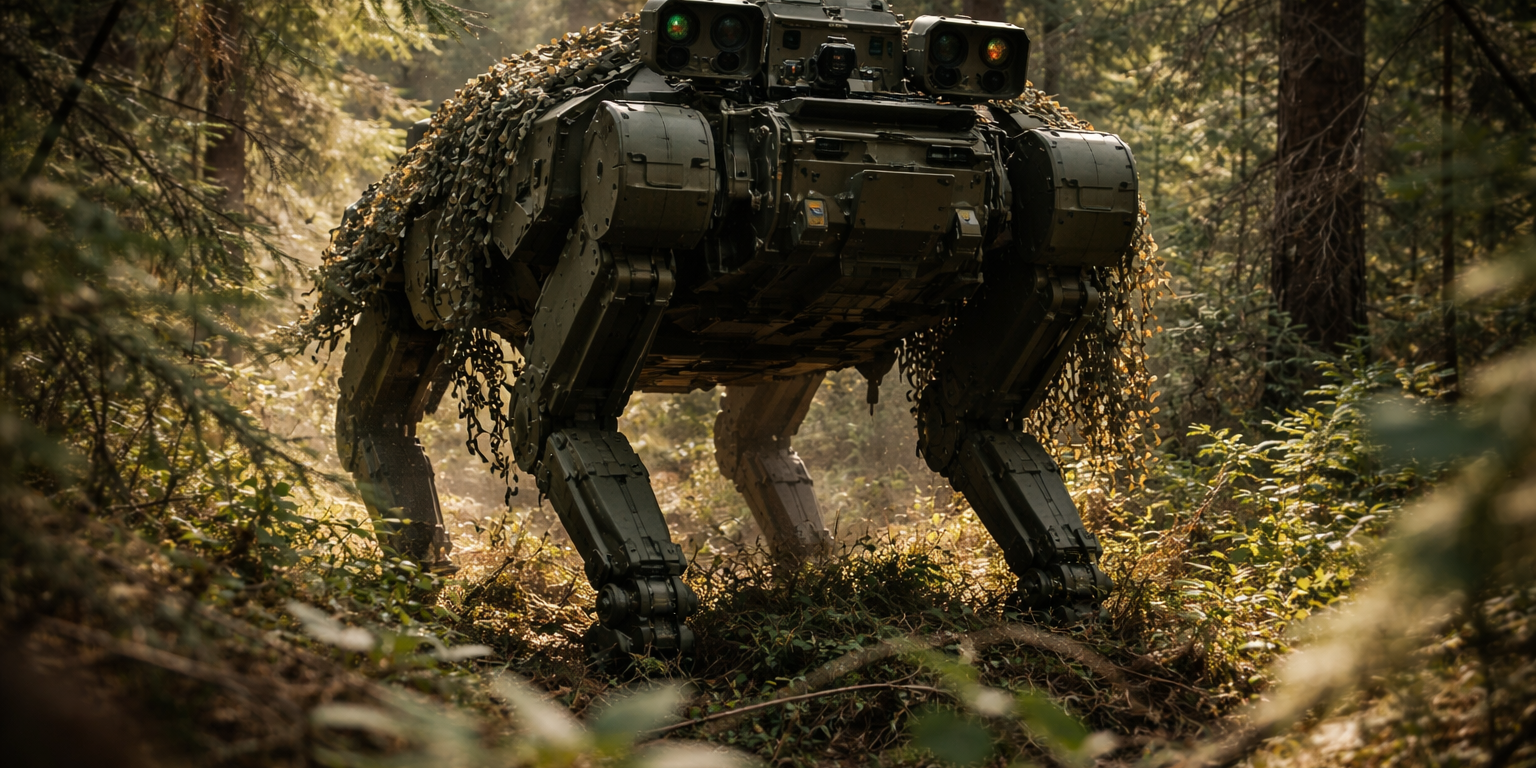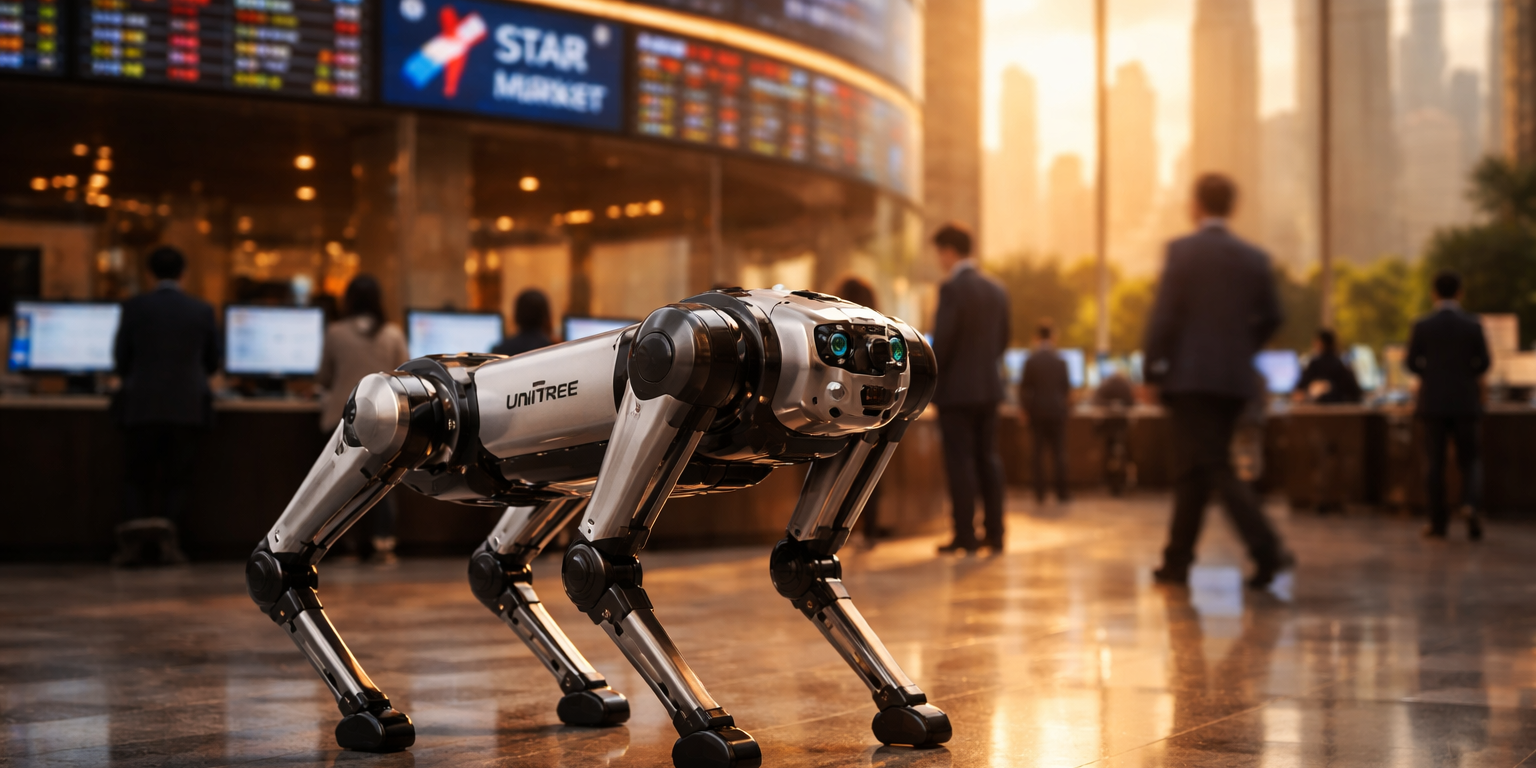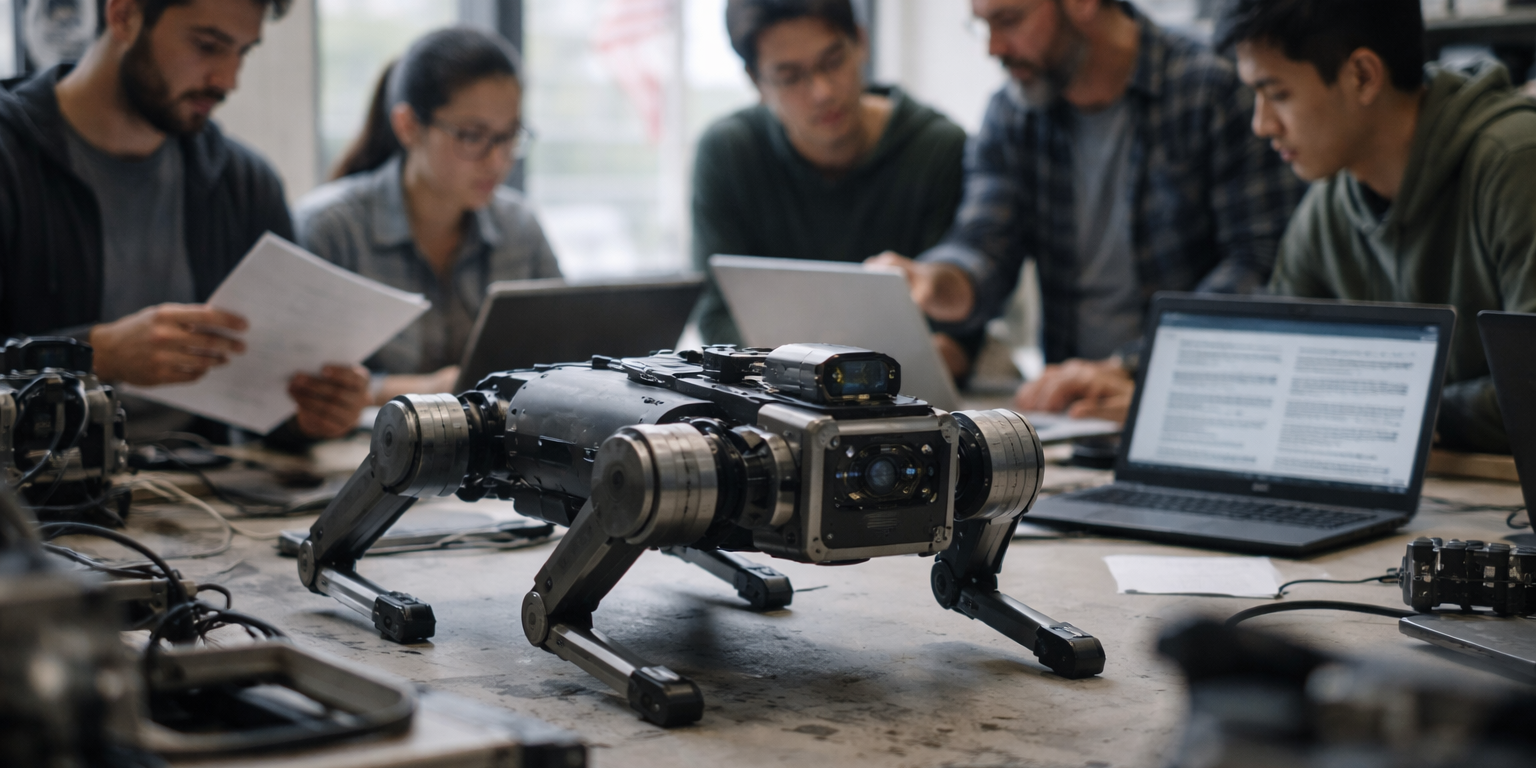
The US Federal Communications Commission designated foreign-manufactured advanced robotic equipment and connected power inverters as covered communications equipment under its national security framework, a regulatory expansion that blocks Chinese robotics manufacturers from selling hardware in the American market. The designation places consumer robotics platforms in the same threat category previously reserved for telecommunications infrastructure from Huawei and ZTE, creating immediate distribution barriers for companies like Unitree Robotics that have built substantial US customer bases through direct sales and academic partnerships.
The FCC's Covered List historically targeted telecom equipment capable of routing voice and data traffic, but the inclusion of robotic systems marks a fundamental shift in how federal regulators categorize autonomous hardware. Robotics platforms equipped with wireless connectivity, edge computing capabilities, and networked control systems now face the same prohibitions that telecommunications equipment has encountered since 2019. The practical effect is immediate: no FCC authorization for devices on the list, no legal path to market for companies manufacturing in mainland China, and no grandfather clause for existing installations. Universities running Unitree Go2 quadrupeds or B2 industrial models face unclear guidance on continued operation and software updates for hardware already deployed.
Unitree has shipped thousands of units to US academic institutions, private research labs, and individual developers since entering the market in 2021. The Hangzhou-based manufacturer built its American presence on aggressive pricing, with the Go2 quadruped retailing at $1,600 compared to Boston Dynamics' Spot at $74,500. That price advantage attracted robotics programs at state universities operating on constrained budgets, creating a installed base that now sits in regulatory limbo. The company's G1 humanoid, announced at a $16,000 price point in late 2025, was positioned as the first sub-$20,000 general-purpose humanoid platform aimed at researchers. Distribution plans for 2026 and 2027 now require complete reconsideration, assuming no legal challenge successfully overturns the FCC designation.
The regulatory action arrives as Chinese robotics manufacturers were gaining market share in the consumer and light-industrial segments, leveraging vertically integrated supply chains and lower production costs. Beyond Unitree, companies including Deep Robotics, which manufactures the Lynx all-terrain quadruped, and LimX Dynamics, known for wheeled-legged hybrid platforms, face identical restrictions. The FCC did not publish specific threat assessments for individual manufacturers, instead applying a blanket designation to foreign-manufactured robotic equipment meeting certain technical criteria. Those criteria remain partially classified, but appear to include any platform capable of wireless telemetry, remote software updates, or cloud-connected operation. Connected power inverters, added to the same regulatory category, suggests concern extends beyond the robotics themselves to the supporting power electronics that enable field deployment.
Industry observers note the timing coincides with increased congressional scrutiny of Chinese technology in critical infrastructure and defense-adjacent sectors. The robotics designation follows similar actions targeting drone manufacturers, where DJI faced comparable restrictions despite holding an estimated 70 percent of the US commercial drone market at the time of prohibition. For robotics, the stakes involve research timelines at federally funded universities, many of which rely on affordable Chinese hardware for grad student projects and lab coursework. A mechanical engineering department running a multi-year manipulation research program on Unitree hardware cannot simply swap to an American-made alternative without budget increases of 400 to 500 percent. The regulatory framework offers no transition period, no trade-in program, and no exemption process for academic use.
What to Watch: Monitor whether Unitree or other affected manufacturers pursue legal challenges through DC Circuit Court, similar to strategies employed by telecom equipment makers in 2020. Track guidance from the Department of Education regarding federal research grants already awarded to university labs using now-prohibited hardware. Watch for pricing adjustments from US-based robotics firms, particularly Agility Robotics and Boston Dynamics, as Chinese competition exits the consumer market. Observe whether any Chinese manufacturers attempt to establish Mexican or Southeast Asian assembly operations to circumvent the mainland China manufacturing restriction.