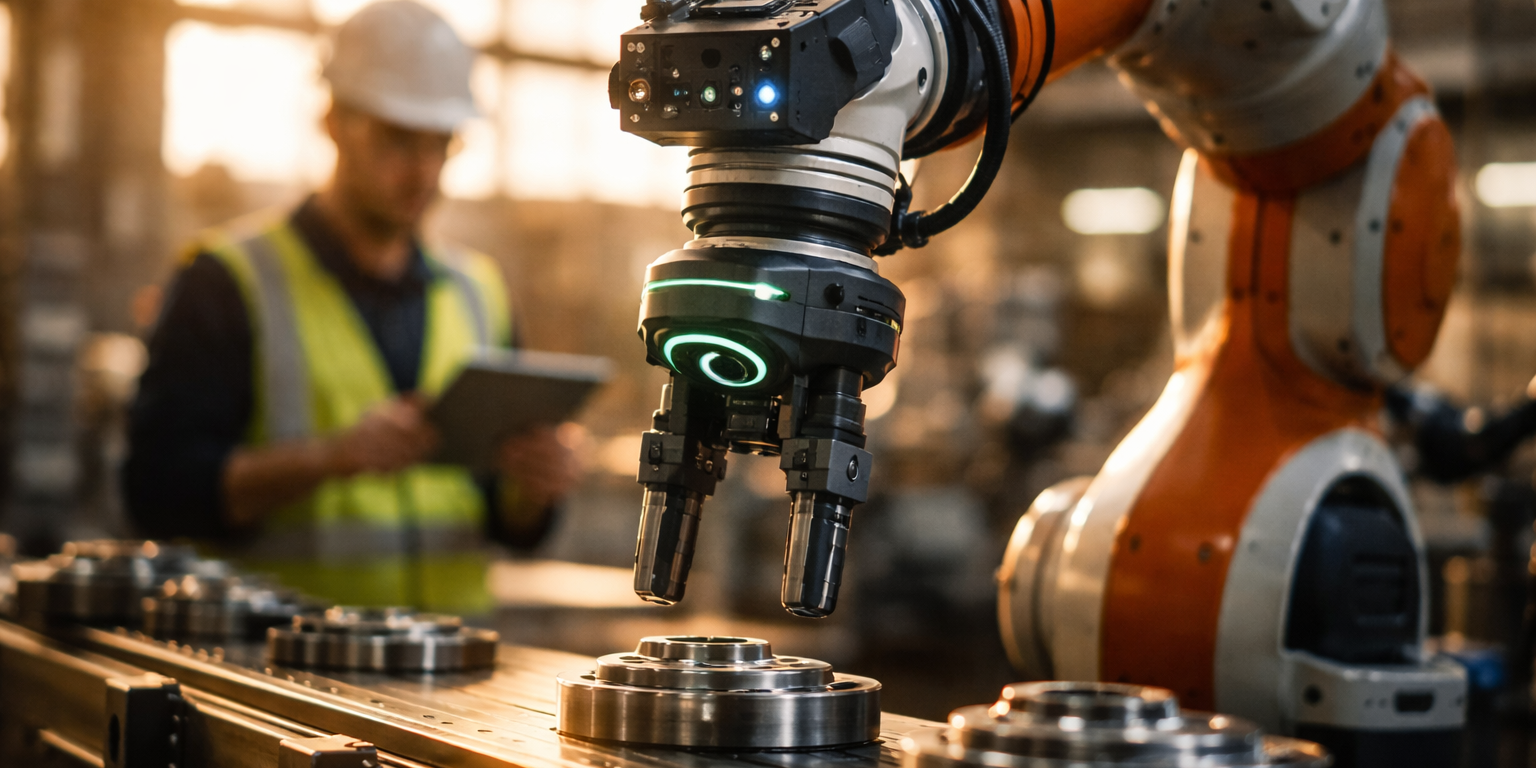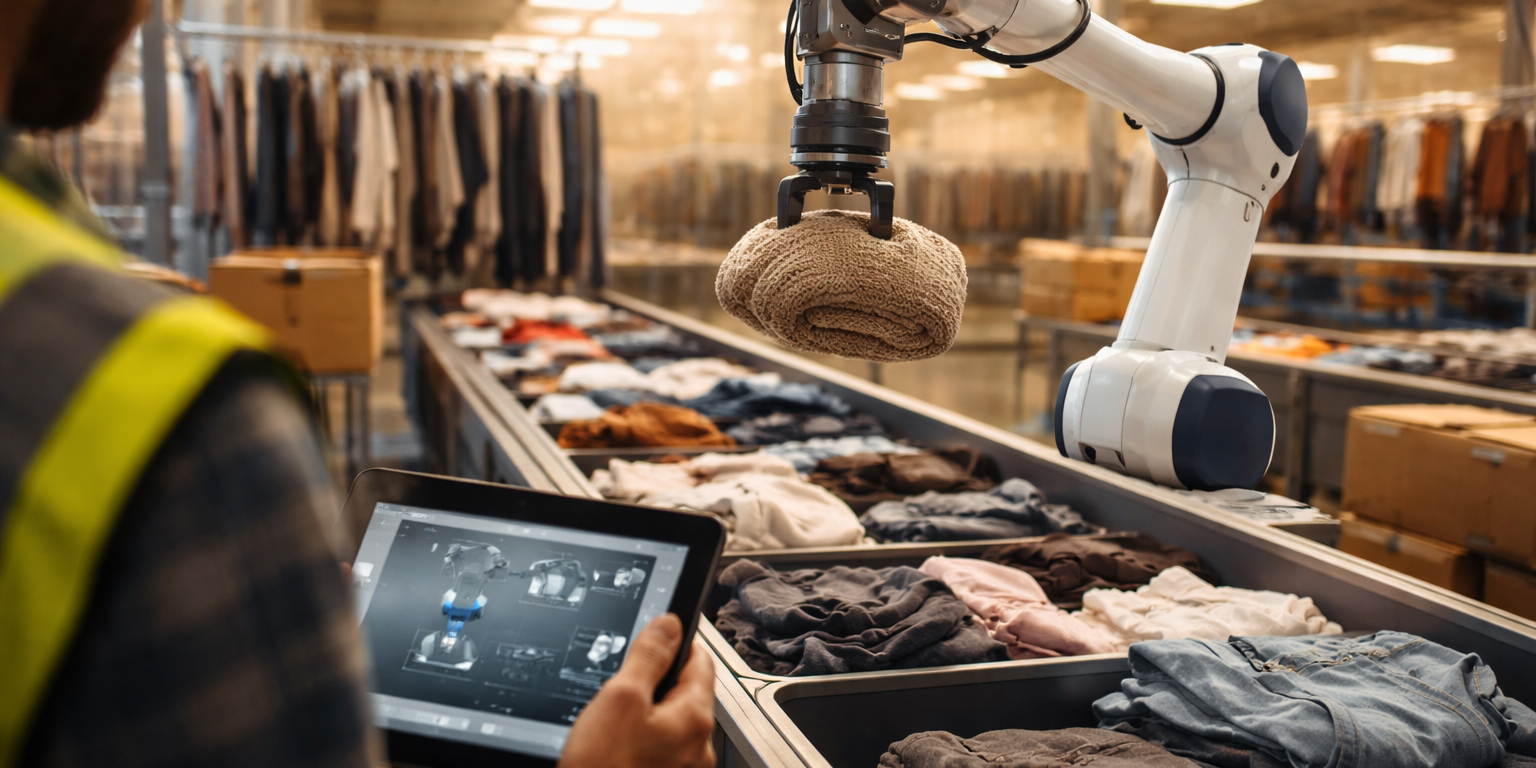

The robot arrives in a crate. The person who can make it useful often doesn't arrive at all. That gap is the problem FANUC America is attacking with the FANUC Training Academy, a new facility in Rochester Hills, Michigan, that the company says is the largest corporate robotics and industrial automation training center in the United States. The announcement came October 19, 2026, and it lands in a market where installed robot counts keep climbing while the pool of technicians qualified to support them does not. FANUC, which has shipped more than one million robots worldwide across its history, is betting that controlling the training pipeline is as strategic as controlling the hardware roadmap.
The location is no accident. Rochester Hills sits in the heart of Michigan's automotive corridor, a few miles from FANUC America's North American headquarters and within driving distance of the assembly plants, tier-one suppliers, and machine builders that have historically consumed the largest share of the company's articulated arms and CNC controls. Automotive remains the industry's anchor customer, but the buyer mix has broadened. Warehousing, food and beverage, batteries, and semiconductor tooling now pull robots into environments where the installed base of in-house expertise is thin. Training capacity in the region has not kept pace with that expansion, and community college programs, however committed, rarely have the budget to keep current with every controller generation.
What a vendor-run academy offers is something third-party programs struggle to match: direct access to current production hardware and the people who design it. Trainees at a facility like this typically work on the same iRobot-class controllers, collaborative CRX units, and vision-guided cells they will encounter on a customer floor, rather than legacy equipment donated years ago. For plant managers, that matters. A technician certified on today's software stack can diagnose a servo fault or reconfigure a palletizing routine without a field-service call, and field-service calls are expensive in both fees and downtime. Multiply that across a fleet of several hundred robots and the economics of in-house capability become obvious.
The broader read for the industry is that robot makers are converging on a services-and-skills model as hardware margins compress. Competition from lower-cost Asian manufacturers has pushed unit prices down, and the differentiator is shifting toward uptime, integration speed, and the availability of certified labor. ABB, Yaskawa, KUKA, and others run their own training operations, but a purpose-built flagship at this scale raises the bar for what customers may come to expect from a tier-one supplier. It also hands FANUC a recruiting and loyalty channel. Every technician trained on its platform is, in practice, a future specifier of its platform, and engineers tend to buy what they know how to fix.
For investors, the facility is a small line item against FANUC's global revenue but a telling one. Labor scarcity is the single most cited reason manufacturers give for automating, yet it is also the single most cited reason automation projects stall after purchase. Companies that can shrink the time between delivery and productive operation capture more repeat business. If the academy shortens commissioning cycles and reduces warranty-period support burden, the return will show up quietly in customer retention rather than in a headline number. That is exactly why it is easy to overlook, and why engineers evaluating vendor ecosystems should pay attention to it.
What to Watch Track how many certification seats FANUC America publishes for the academy's first full class cycle, and whether the company discloses throughput targets in its fiscal-year reporting. Watch for competing announcements from ABB Robotics, Yaskawa Motoman, and KUKA North America, who may respond with expanded U.S. training capacity before the end of 2026. Keep an eye on partnerships between the academy and Michigan community colleges or state workforce agencies, since public funding tie-ins would validate the model as a regional template. Finally, monitor integrator hiring postings through year-end for mentions of FANUC certification as a stated requirement, a practical signal of whether the credential is gaining market weight.