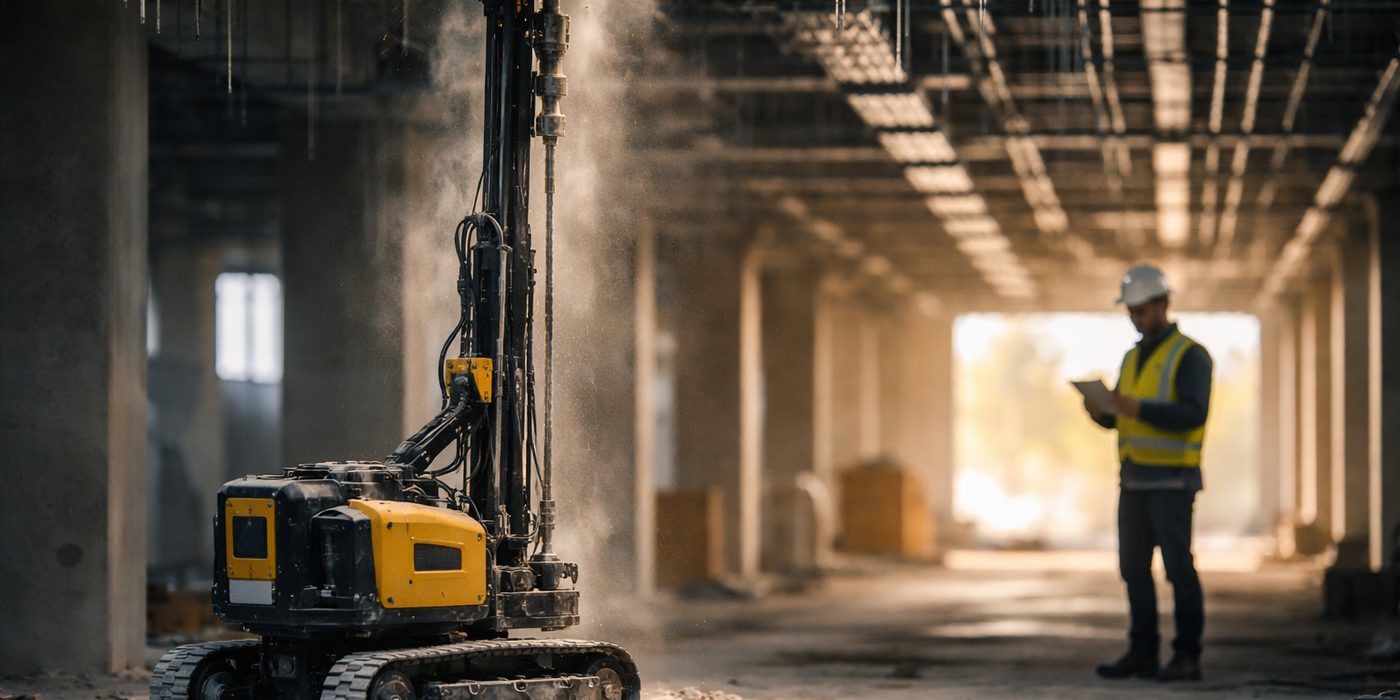
Seven years of watching robotics from inside NVIDIA's product organization have left Amulya Vishwanath with a blunt diagnosis: the field is playing with Lego, not shipping finished appliances. In recent remarks reported by TechCrunch, the former head of product marketing for NVIDIA's robotics platforms, now working as a venture investor, described an industry whose fundamental building blocks are still being reinvented. Actuators, dexterous hands, middleware, and safety standards, she argues, remain in flux. That framing matters because it contradicts the most popular story in robotics right now. Many founders and funds are betting that one general-purpose foundation model will do for physical machines what ChatGPT did for text.
The ChatGPT comparison is seductive for a reason. Language models showed that scale, data, and a unified architecture could collapse dozens of narrow capabilities into one interface almost overnight. Robotics boosters point to vision-language-action models and simulation-trained policies as the same pattern emerging in the physical world. NVIDIA itself has leaned into that narrative, pushing its Isaac platform, Omniverse simulation tools, and Jetson compute modules as the substrate for what Jensen Huang has repeatedly called physical AI. Vishwanath's vantage point is unusual precisely because she helped build that story. She watched customers adopt the software and silicon, and she also watched them struggle with everything surrounding it.
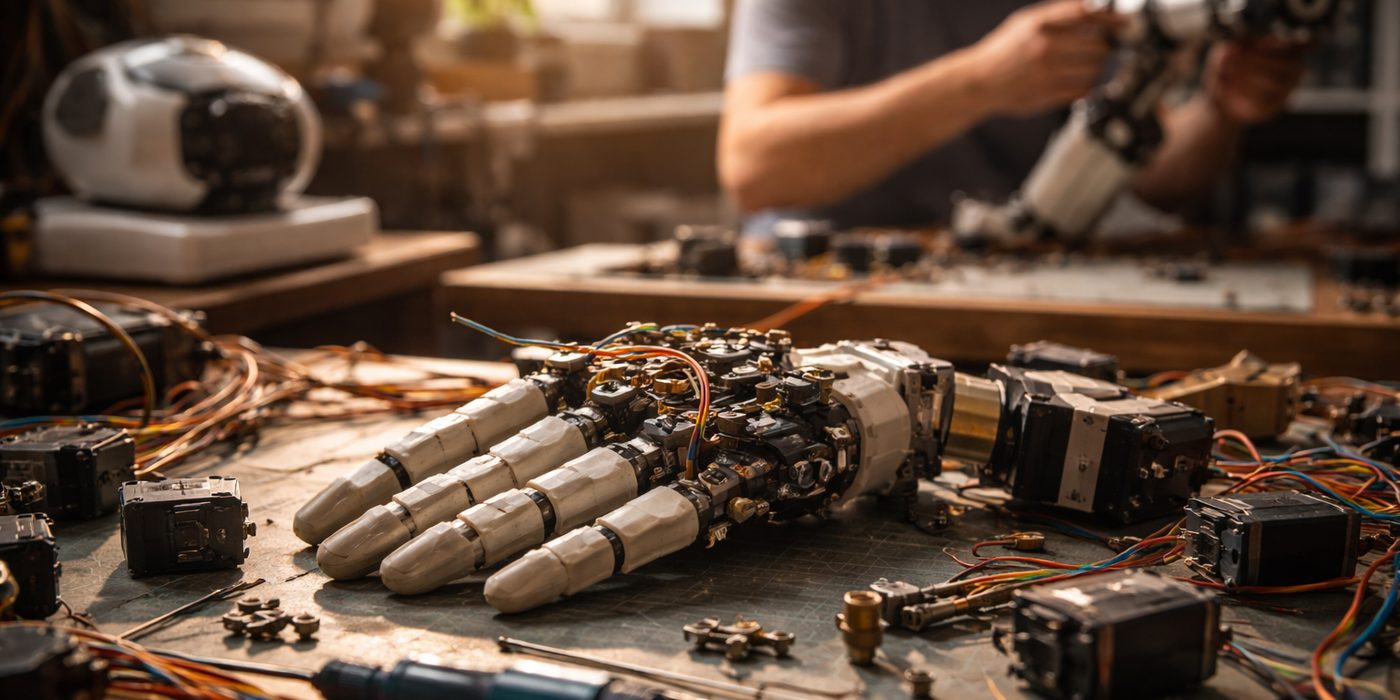
That struggle is the heart of her argument. A language model runs on commodity servers and talks to the world through text, a medium with no moving parts and no liability. A robot must convert model outputs into torque, grip force, and balance, through hardware that wears out, overheats, and breaks. Today's humanoid and manipulation platforms frequently rely on custom actuators whose cost, reliability, and supply chains vary wildly from one vendor to the next. Robotic hands remain a particular weak point, since human-level dexterity demands dense tactile sensing and compact, durable mechanisms that no one has yet standardized. Until those components stabilize and converge, she contends, even a brilliant model has nothing dependable to drive.
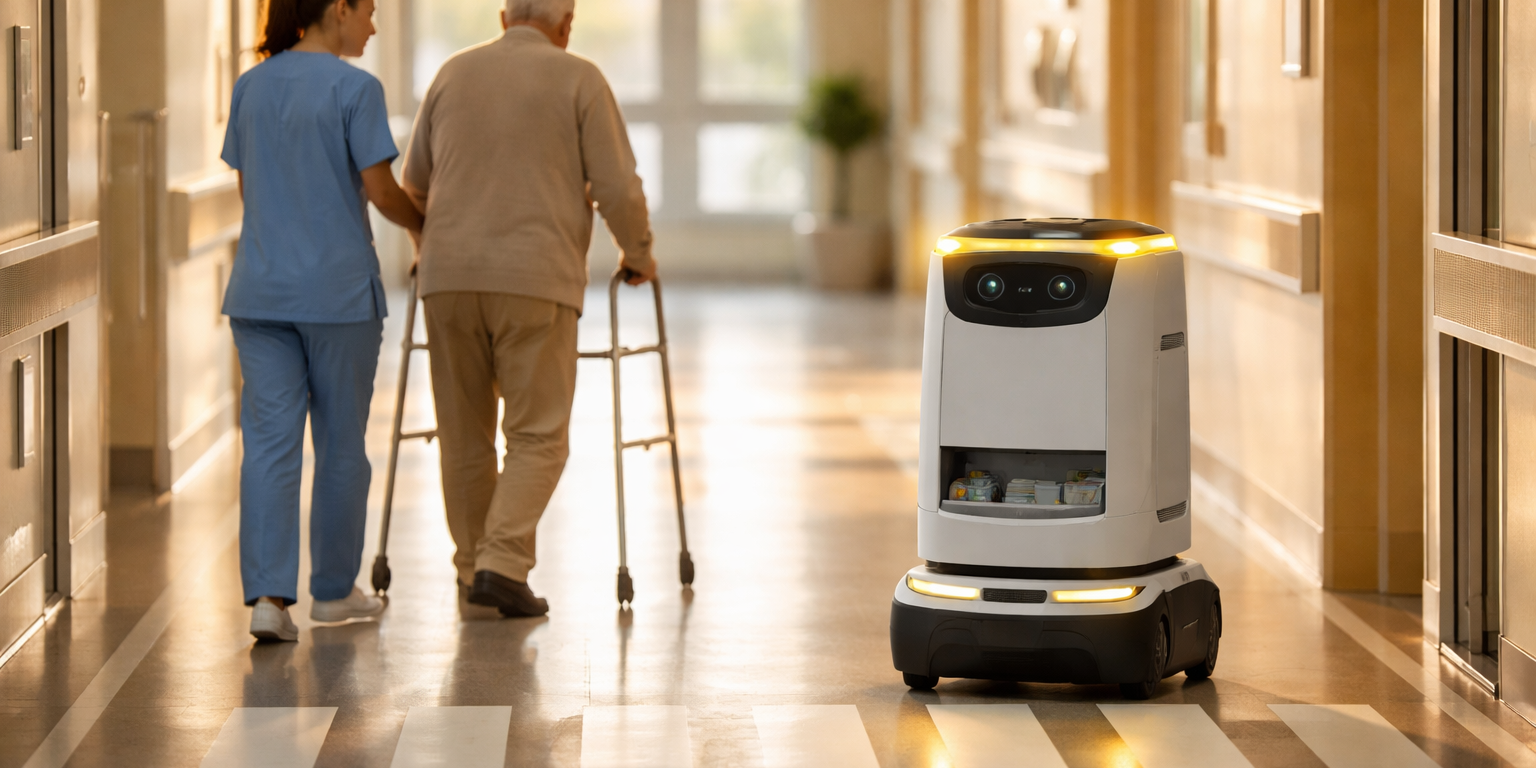
Safety standards sit at the other end of the same problem, and they carry weight for anyone planning commercial deployments. Industrial robots operate under mature frameworks, but general-purpose machines working near people in warehouses, hospitals, and homes do not yet have settled rules, and regulators are still working out how to certify learned behavior rather than scripted motion. For investors, the implication is a shift in where durable value may accumulate. If the sector is truly in a component-building phase, the winners could be the companies that supply reliable actuators, hands, simulation tooling, and compliance infrastructure, rather than those chasing a single universal brain. For engineers, it is a reminder that model benchmarks are not product readiness, and that integration discipline still decides who ships.
What to Watch Track how NVIDIA frames physical AI at its next developer events and earnings calls through the end of 2026, since its Isaac, Omniverse, and Jetson roadmap will show whether the company is leaning toward a foundation-model narrative or toward component-level enablement. Watch funding announcements for actuator, tactile-sensing, and robotic-hand startups over the next 90 days, which would signal capital following Vishwanath's building-block thesis. Follow standards bodies such as ISO and ANSI working groups on safety requirements for general-purpose and humanoid robots, where any draft language on learned-policy certification would directly affect deployment timelines. Finally, monitor whether leading humanoid developers publish real-world uptime and failure-rate data, because transparent reliability numbers would be the clearest evidence that the hardware layer is maturing.