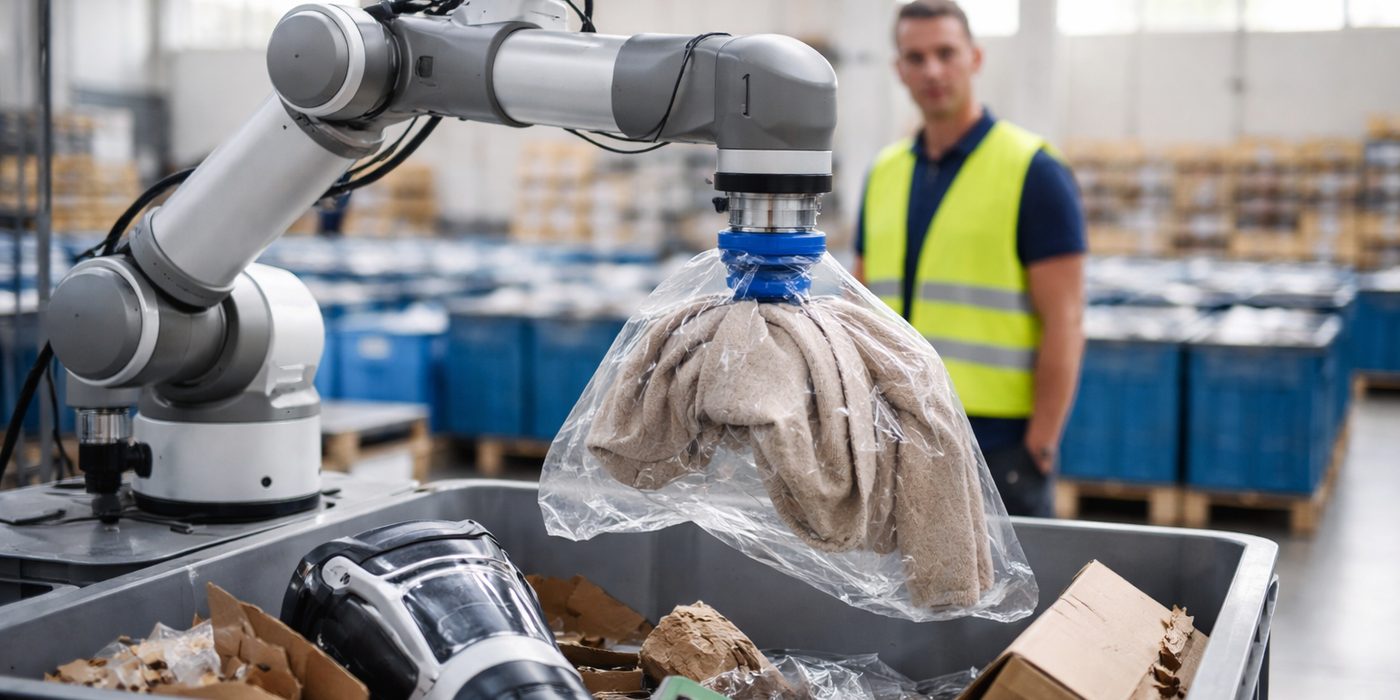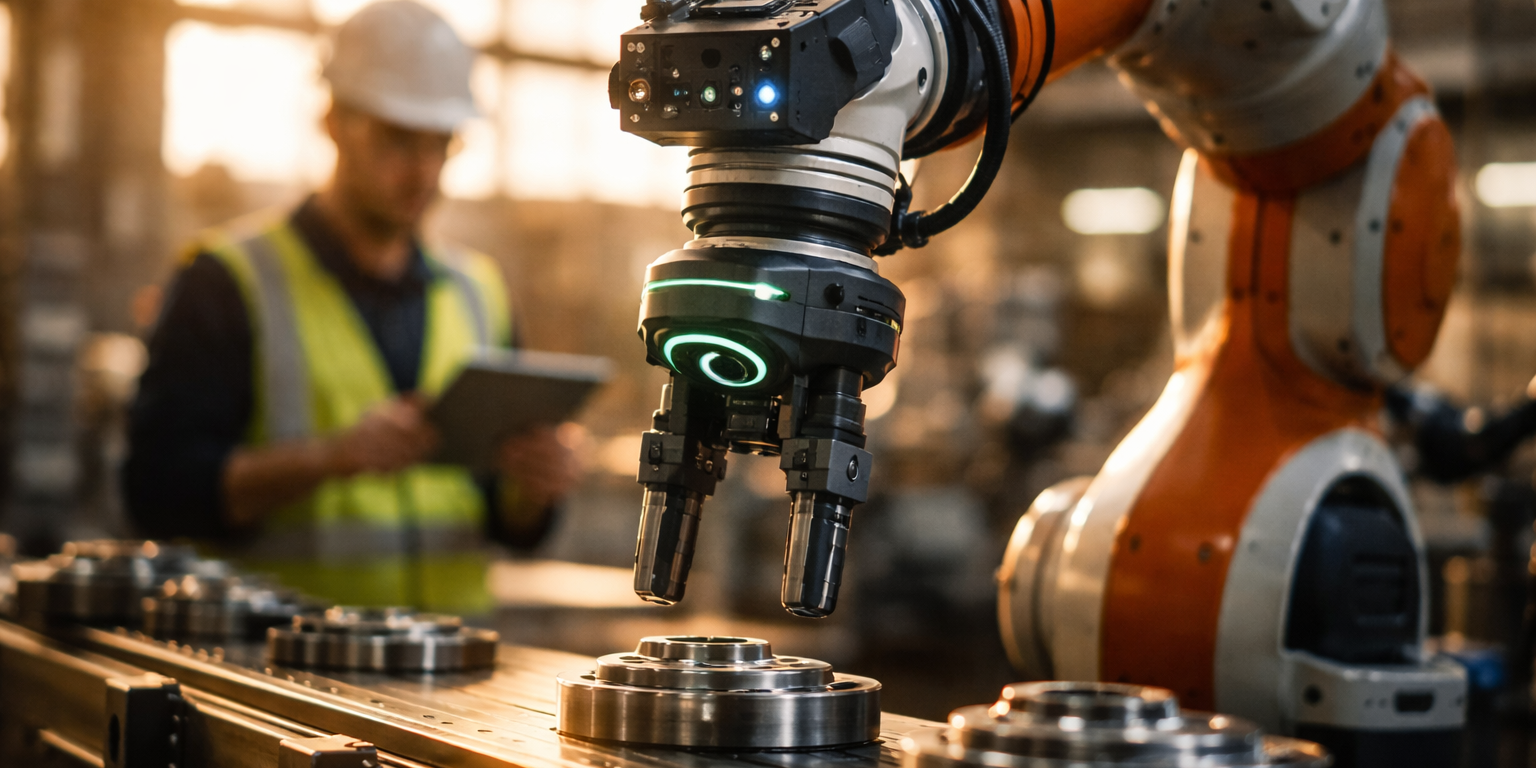
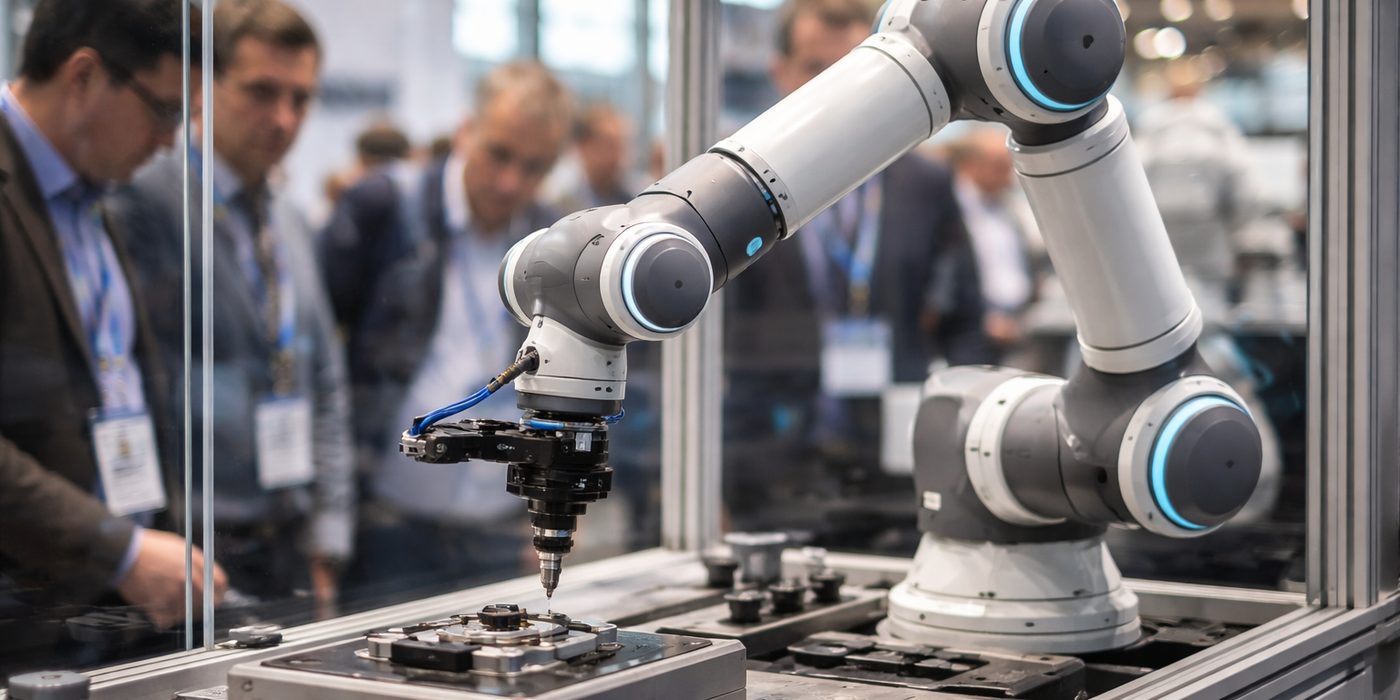
The company that has sold more SCARA robots than anyone on earth is making its case for the other kind of arm. Epson Robots, based in Los Alamitos, California, said on October 21 that it will put its AX6 collaborative six-axis robot on the floor at The ASSEMBLY Show 2026, running live demonstrations rather than static displays. The AX6 is the centerpiece of what Epson calls an expanding automation portfolio, and the staging matters as much as the machine. Visitors will watch the arm work inside integrated cells, a deliberate choice for a company whose reputation was built on fast, rigid, four-axis precision rather than flexible multi-joint motion.
Epson's credentials in planar assembly are not in dispute. Its SCARA line has long dominated electronics and small-parts work, where cycle time and repeatability decide purchasing. But the market has been drifting toward tasks SCARA geometry cannot handle: tending machines at awkward angles, picking from bins, or working alongside people without cages. That drift pulled competitors into the cobot business years ago. Universal Robots built an installed base in the tens of thousands, and FANUC's CRX series and ABB's GoFa have squeezed the middle of the market since. Epson's six-axis offerings have existed for some time, but the AX6 brings a collaborative design that lets the company compete for applications it previously had to decline.
The trade show setting is worth reading closely. The ASSEMBLY Show draws an audience of manufacturing engineers and plant managers who arrive with specific problems: a screwdriving station that eats labor hours, a kitting operation with too many part variants. They are not shopping for an arm in isolation. They want to see whether a vendor can deliver vision, end-of-arm tooling, controls, and software that work together on day one. Epson's decision to lead with integrated solutions, rather than a spec sheet, acknowledges that the arm itself has become the easy part. Integration labor routinely consumes as much budget as the robot, and any vendor that can shrink that line item holds a real pricing advantage over rivals selling bare hardware through a channel of system integrators.
That is the sharper observation here. Cobot hardware is converging. Payload, reach, and repeatability numbers across the leading six-axis collaborative arms sit within a narrow band, and buyers increasingly treat them as interchangeable at the mechanical level. Differentiation has migrated to the surrounding stack: how quickly an unskilled operator can program a task, how cleanly vision calibrates to the work envelope, how much custom code a cell demands. Epson controls its own robot controllers and software environment, which gives it more latitude to tune that experience than a company assembling third-party components. Whether the AX6 demos prove that advantage or merely assert it is the question engineers on the show floor will be testing with their own part samples.
For the wider industry, Epson's move is another sign that specialists are being pushed toward broad portfolios. A decade ago a SCARA leader could prosper by owning one geometry. Now customers expect a single supplier to cover high-speed pick-and-place, collaborative assembly, and increasingly mobile or vision-guided work, and they punish gaps by consolidating purchases with whoever fills them. Investors tracking the sector should note the pattern: the established Japanese and European automation houses are defending share by widening catalogs, while newer entrants chase narrow niches with software-first pitches. Epson sits in between, with deep manufacturing credibility and a cobot product that must now earn its place in orders, not just in press releases and booth space.
What to Watch Start with the show itself: The ASSEMBLY Show 2026 floor reports should reveal whether Epson publishes AX6 payload, reach, and pricing details, and how its cycle-time claims hold up against live demonstrations rather than brochure figures. Over the next 30 to 60 days, track Epson's distributor and system integrator announcements, since channel partners will determine how fast the AX6 reaches mid-size manufacturers. Compare any pricing against Universal Robots' UR series and FANUC's CRX line, the two most direct benchmarks. Finally, watch Epson's fiscal results commentary for any disclosed six-axis order growth, the clearest evidence that interest at the booth is converting into purchase orders.