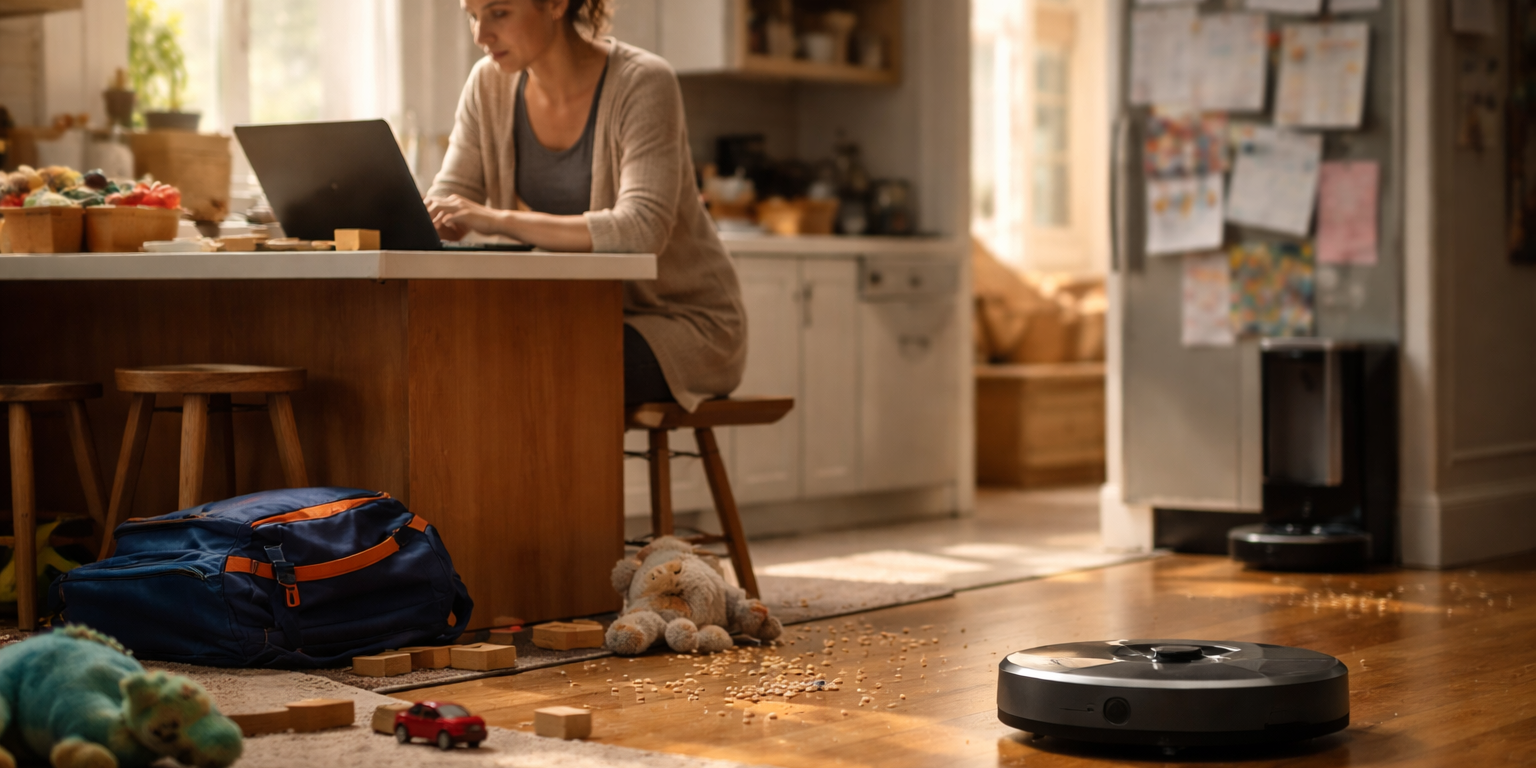
A robot vacuum that costs $1,299.99 is no longer an impulse purchase. It is a considered capital expenditure, and the people writing the checks are increasingly parents juggling remote jobs, school schedules, and the relentless accumulation of crumbs. That is the vantage point of a recent Gadget Flow review of the ECOVACS DEEBOT X12S OmniCyclone, written by a work-from-home mother of two who says she will take any cleaning help she can get. It is not a lab test. It is something arguably more useful to the industry: an unfiltered picture of who buys these machines and what they expect for the money.
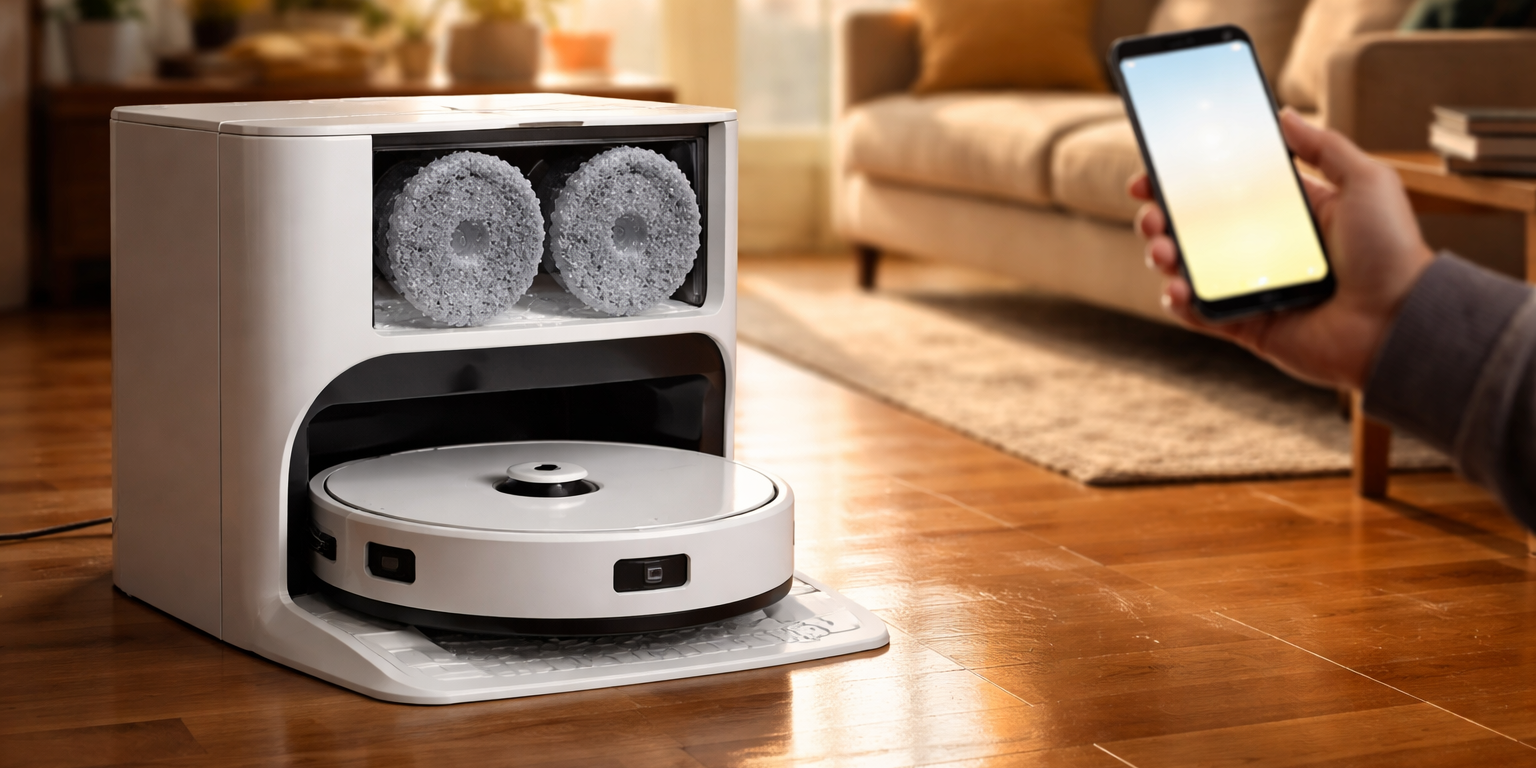
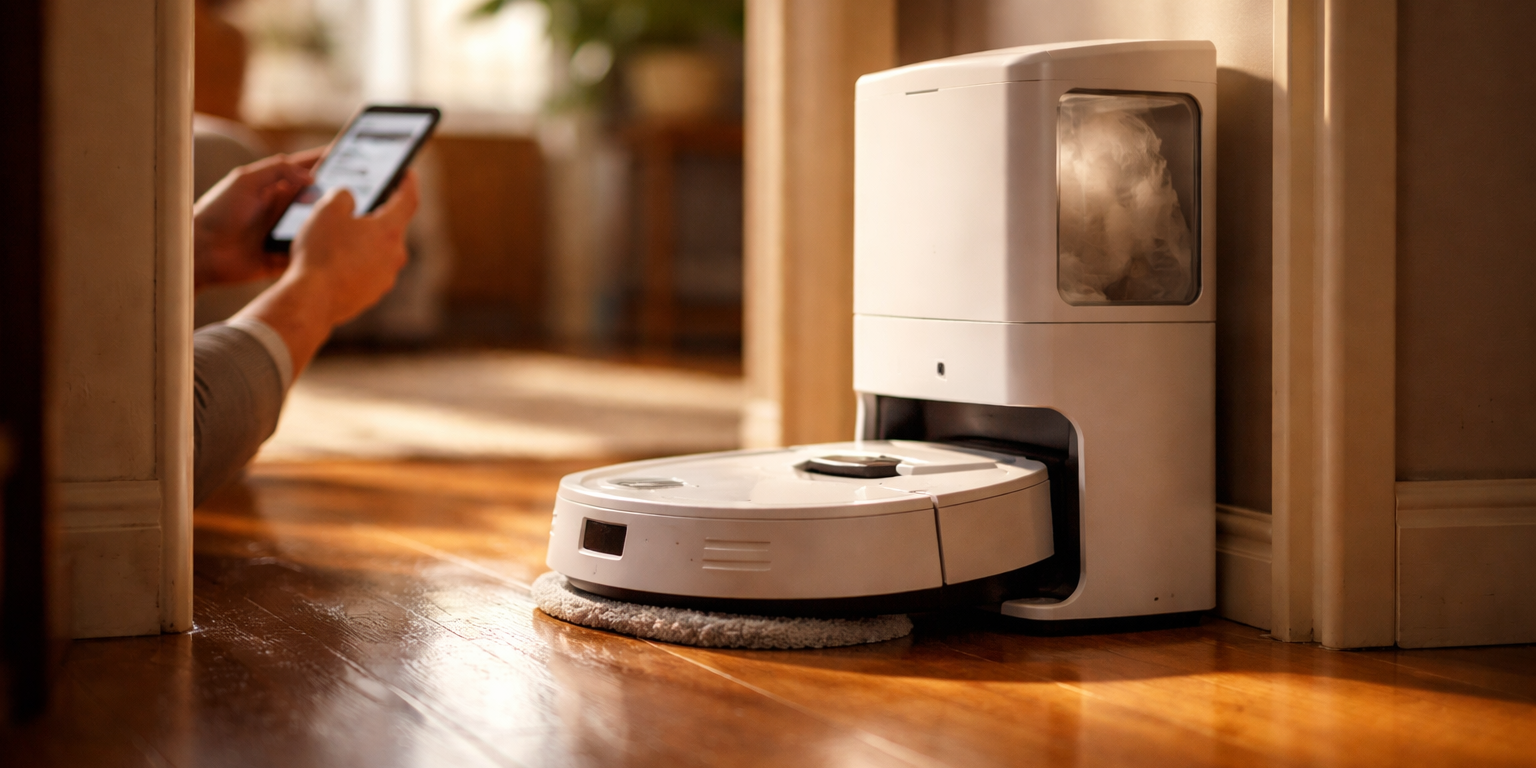
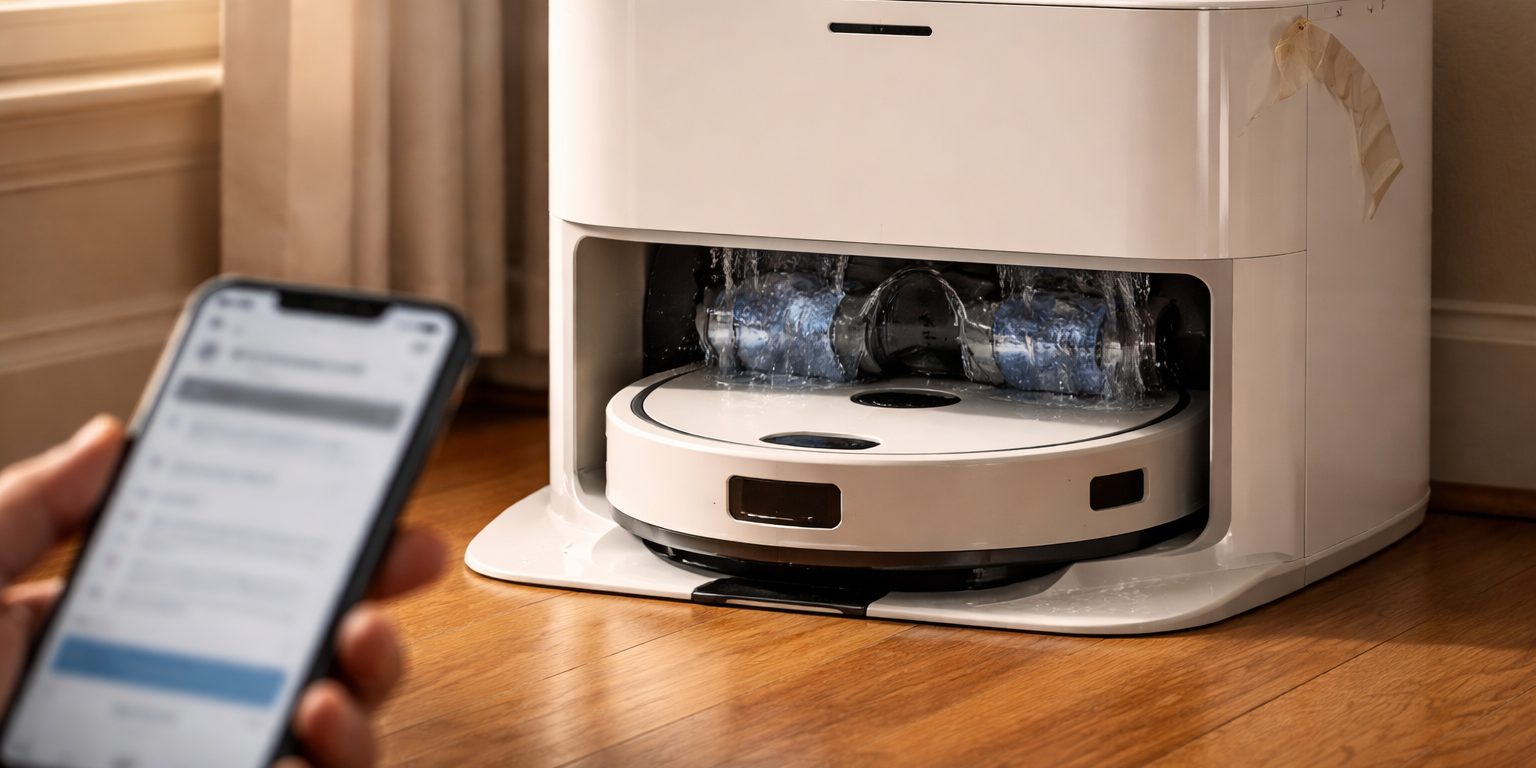
The device sits at the top of ECOVACS's consumer lineup, a category the company has spent years building out as it competes with iRobot, Roborock, Dreame, and Narwal for the premium end of the market. The X12S pairs a robot with a multifunction dock, the now-standard bundle that handles self-emptying, mop washing, and drying. That dock is where the price lives. A bare robot with decent LiDAR navigation can be had for a few hundred dollars. The additional $800-plus buys convenience: fewer manual chores, fewer touchpoints, and the promise that a household can go weeks without opening the machine's bin or rinsing a mop pad.
What the review captures, almost incidentally, is the shift in how these products are justified. Early robot vacuums sold on novelty. The pitch now is time reclaimed, and the reviewer frames it exactly that way: a family of four generates a steady stream of mess, and automation absorbs part of it. For manufacturers, this reframing matters because it changes the comparison set. A buyer weighing a $1,300 vacuum is not benchmarking against a $250 competitor. They are weighing it against a cleaning service, a weekly hour of labor, or simply the stress of a dirty kitchen floor. That is a more forgiving bar on price, but a far harsher one on reliability. A robot that stalls under a chair or smears a pet accident across a room does not just disappoint. It erodes the entire value proposition.
For engineers and investors, the interesting story is not any single feature but the economics underneath. Premium docks add mechanical complexity, more motors, more water handling, more seals, and more points of failure, all of which feed warranty costs and support burden. Meanwhile, the core autonomy stack, meaning obstacle recognition, mapping, and path planning, has largely commoditized across the sector, with sub-$600 models now delivering navigation that would have been flagship-grade a few years ago. That compression squeezes the premium tier from below. ECOVACS and its peers must keep layering in differentiators, from improved edge cleaning to smarter object avoidance, to defend margins on units that cost far more to build than the entry models. The household robot is a volume game, but the profit pools sit at the top, and holding that ground gets harder every product cycle.
What to Watch
Track how ECOVACS prices the X12S against Roborock and Dreame flagships through the coming holiday promotion window, since discounting patterns between now and the end of 2026 will show whether $1,299.99 is a real price or an anchor. Watch for fresh Q3 2026 earnings commentary from ECOVACS and its listed rivals on gross margin at the premium tier, where dock complexity is the key cost variable. Monitor aggregate review scores and return rates on major retailers over the next 60 days, which will say more about real-world reliability than any single hands-on piece. Finally, keep an eye on any new flagship launches timed for the 2026 shopping season, because a competing release at a lower price would test how much buyers will pay for a premium dock.