Digua Robot, the robotics subsidiary of automotive chipmaker Horizon Robotics, now claims its Sunri S600 platform has reached production readiness with ecosystem partnerships in place to support deployments approaching six figures. The company frames the announcement around what it describes as three critical infrastructure gaps in embodied intelligence commercialization: model-to-robot integration, supply chain economics at scale, and field deployment logistics. Those challenges have constrained previous robotics platforms despite ambitious unit forecasts, making the S600's claimed production ecosystem expansion a test case for whether Chinese manufacturers can bridge the gap between prototype demonstrations and sustained industrial deployment.
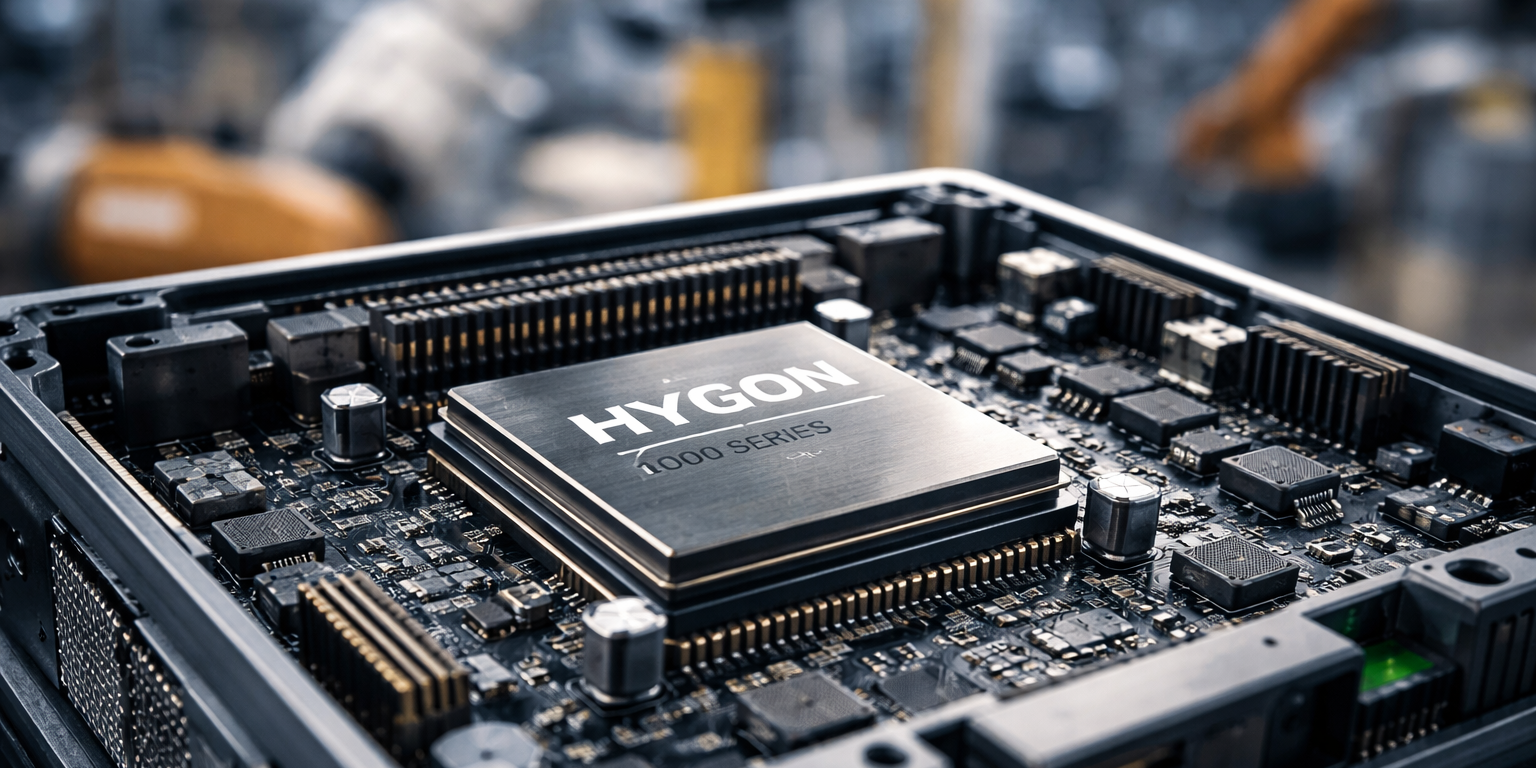
The timing reflects a broader acceleration across China's robotics sector. Multiple manufacturers have announced production targets for late 2026 and 2027 that dwarf previous deployment numbers, driven by pressure from investors to demonstrate commercial traction for embodied AI investments made over the past eighteen months. Digua entered the robotics market through Horizon's existing relationships with Chinese automakers and tier-one suppliers, giving it access to manufacturing capacity and procurement relationships that pure-play robotics startups typically lack. The S600 platform leverages Horizon's Journey series processors, the same architecture used in advanced driver assistance systems deployed across several million vehicles in China. That shared silicon foundation allows Digua to benefit from economies of scale in chip production while adapting perception and planning algorithms originally developed for automotive applications to industrial and logistics environments.
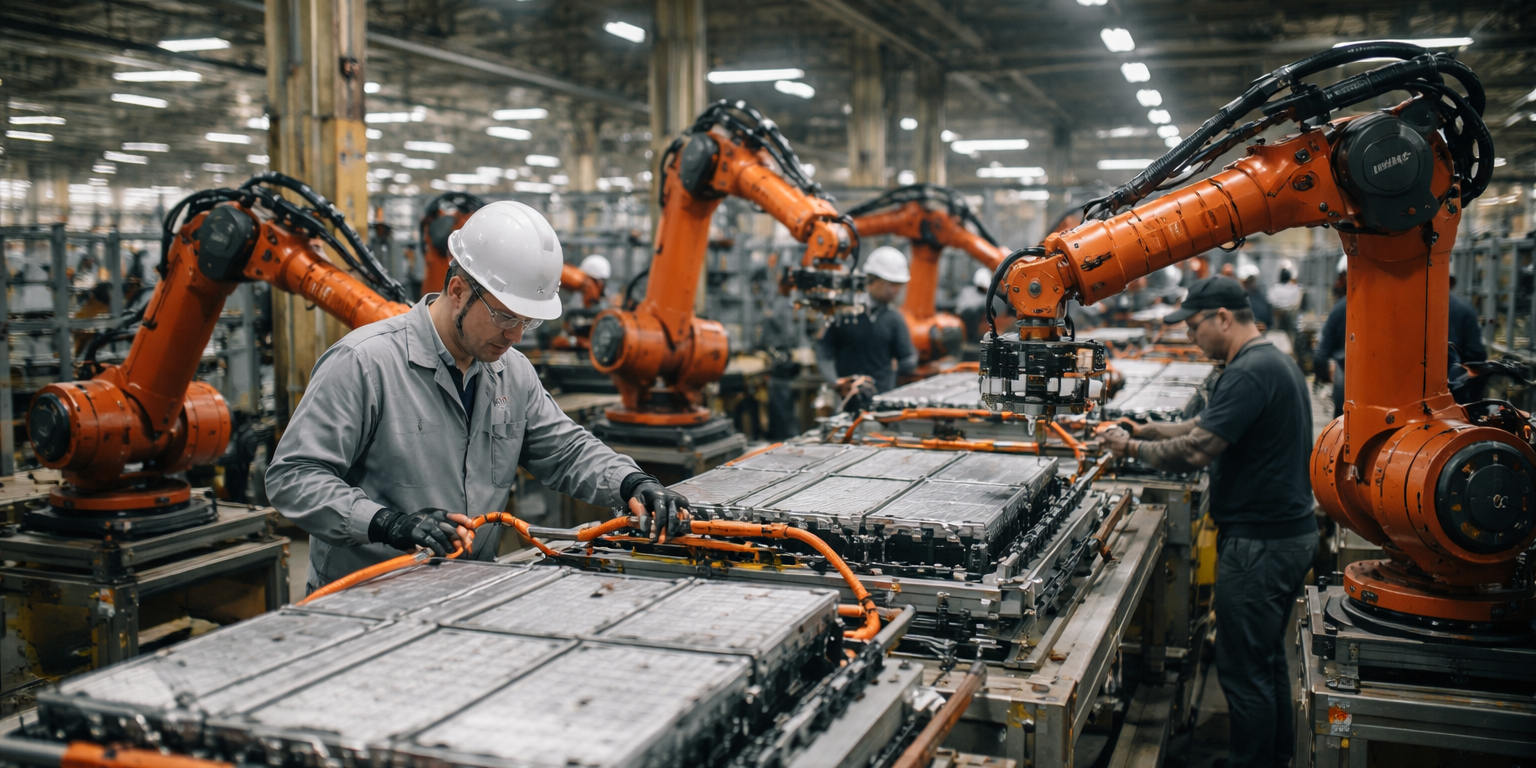
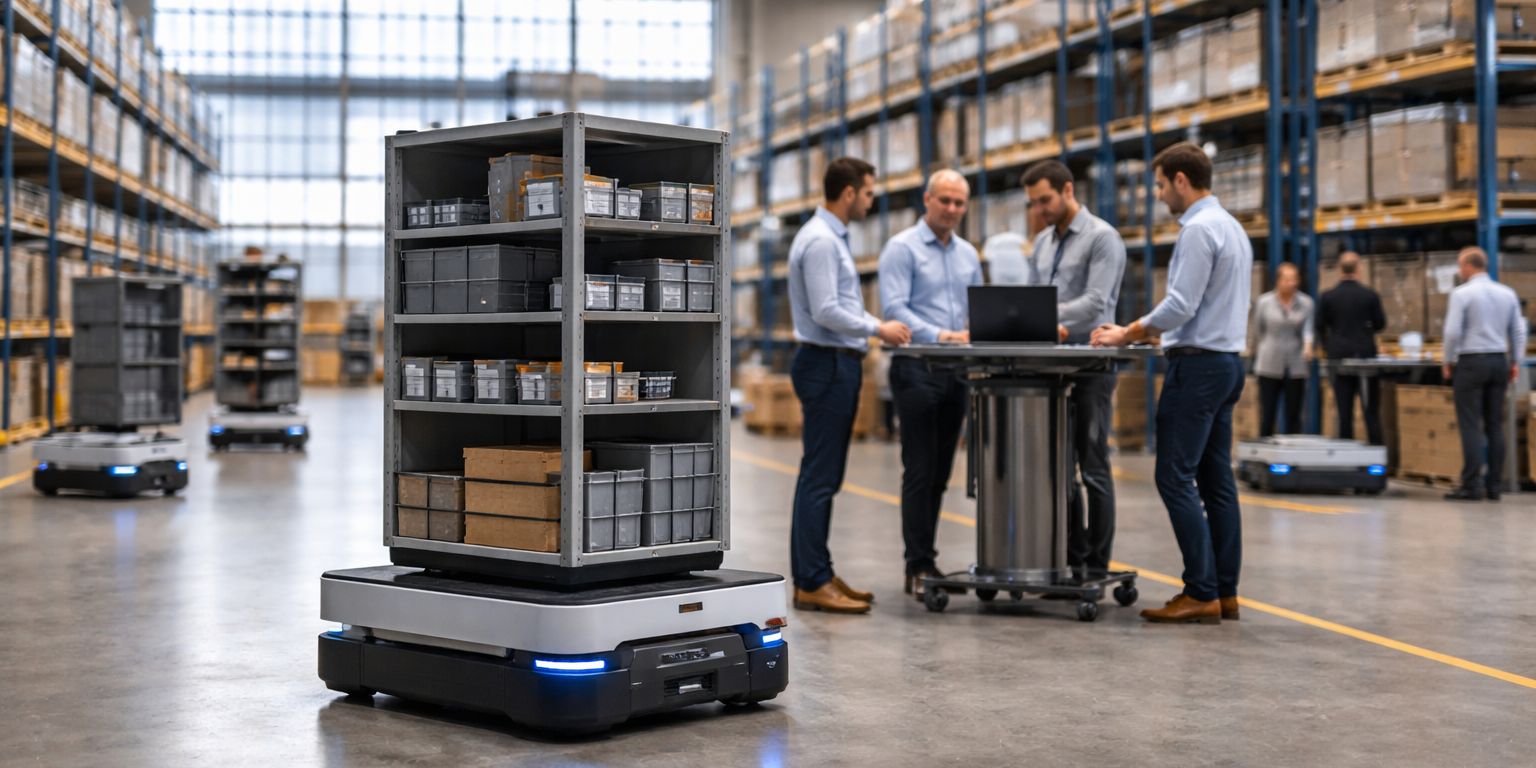
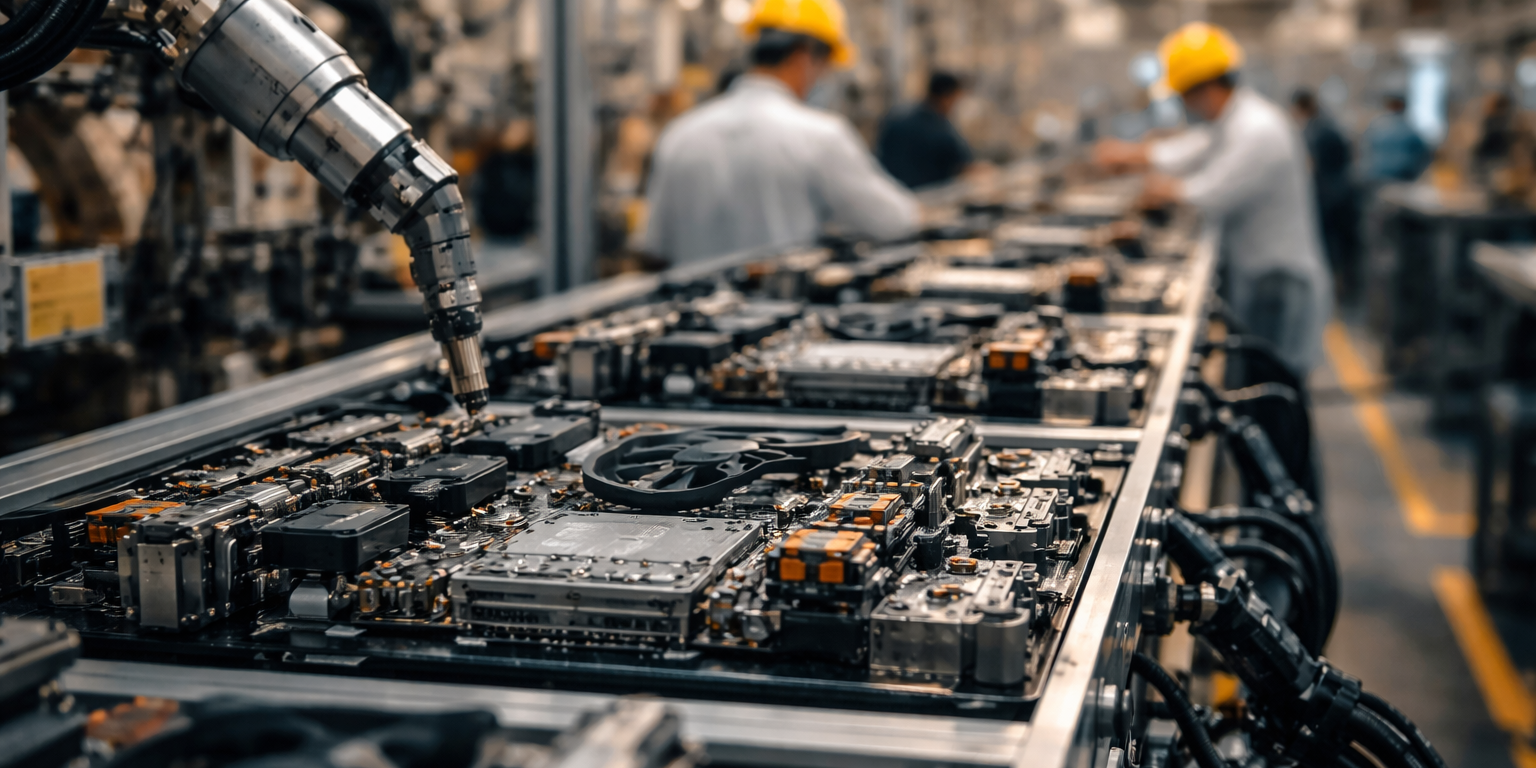
The three chasms Digua identifies correspond to specific technical and operational challenges. Model-on-robot deployment refers to the integration friction between foundation models trained in cloud environments and the real-time inference requirements of physical robots operating under compute, latency, and power constraints. Chinese robotics companies have approached this differently than their American counterparts: rather than developing proprietary foundation models, most license or adapt open-weight models and focus engineering resources on efficient edge deployment and task-specific fine-tuning. Digua claims the S600 ecosystem includes tooling for model compression, quantization, and hardware-aware neural architecture search, reducing the integration burden for customers deploying their own AI models on the platform. The second chasm involves supply chain economics, particularly component sourcing and assembly costs that make unit economics unfavorable below certain production volumes. Digua's solution relies on component sharing with Horizon's automotive business and partnerships with contract manufacturers already producing at automotive volumes. The third chasm, field deployment logistics, encompasses installation, calibration, ongoing maintenance, and software updates across distributed robot fleets. Here Digua points to partnerships with systems integrators and logistics providers, though the company has not disclosed specific names or the scope of those relationships.
The 100,000-unit deployment target, while not formally confirmed as a company commitment, represents the scale at which Digua and industry observers believe robotics platforms can achieve sustainable unit economics and justify infrastructure investments. Previous Chinese robotics deployments have typically numbered in the hundreds or low thousands, insufficient to drive meaningful platform ecosystem development. Whether Digua or any manufacturer actually reaches six-figure deployments depends on factors beyond technology: customer willingness to standardize on specific platforms, financing availability for capital equipment purchases, and labor market dynamics that determine the economic return on automation investments. The S600's positioning in industrial and logistics applications puts it in direct competition with established automation vendors and a growing cohort of Chinese robotics startups targeting the same verticals. Differentiation will likely come down to total cost of ownership, integration complexity, and the breadth of the software ecosystem rather than hardware specifications alone.
What sets the current wave of Chinese robotics announcements apart from previous cycles is the explicit focus on production infrastructure and ecosystem development rather than technology demonstrations. Companies are investing in manufacturing capacity, developer tools, and partnership networks before achieving commercial scale, a reversal of the typical startup playbook. That approach carries execution risk but could accelerate deployment timelines if customer demand materializes. For Digua specifically, the Horizon relationship provides both advantages and constraints. Access to automotive-grade supply chains and manufacturing expertise gives the company unusual credibility in production readiness conversations. But the automotive heritage also shapes product design decisions and go-to-market strategy in ways that may not align perfectly with robotics customer requirements. The S600's success will depend partly on whether automotive-derived approaches to hardware design, software architecture, and ecosystem management translate effectively to industrial robotics applications.
What to Watch: Track whether Digua discloses specific deployment numbers or named customers for the S600 platform by year-end 2026. Monitor Horizon Robotics' quarterly earnings calls for references to robotics revenue contribution, which would indicate meaningful commercial traction. Watch for announcements from competing Chinese robotics platforms around production capacity and ecosystem partnerships, particularly from companies backed by automotive or industrial conglomerates. Pay attention to any revealed pricing or financing structures for the S600, which will clarify whether Digua is prioritizing market share growth or near-term unit economics.