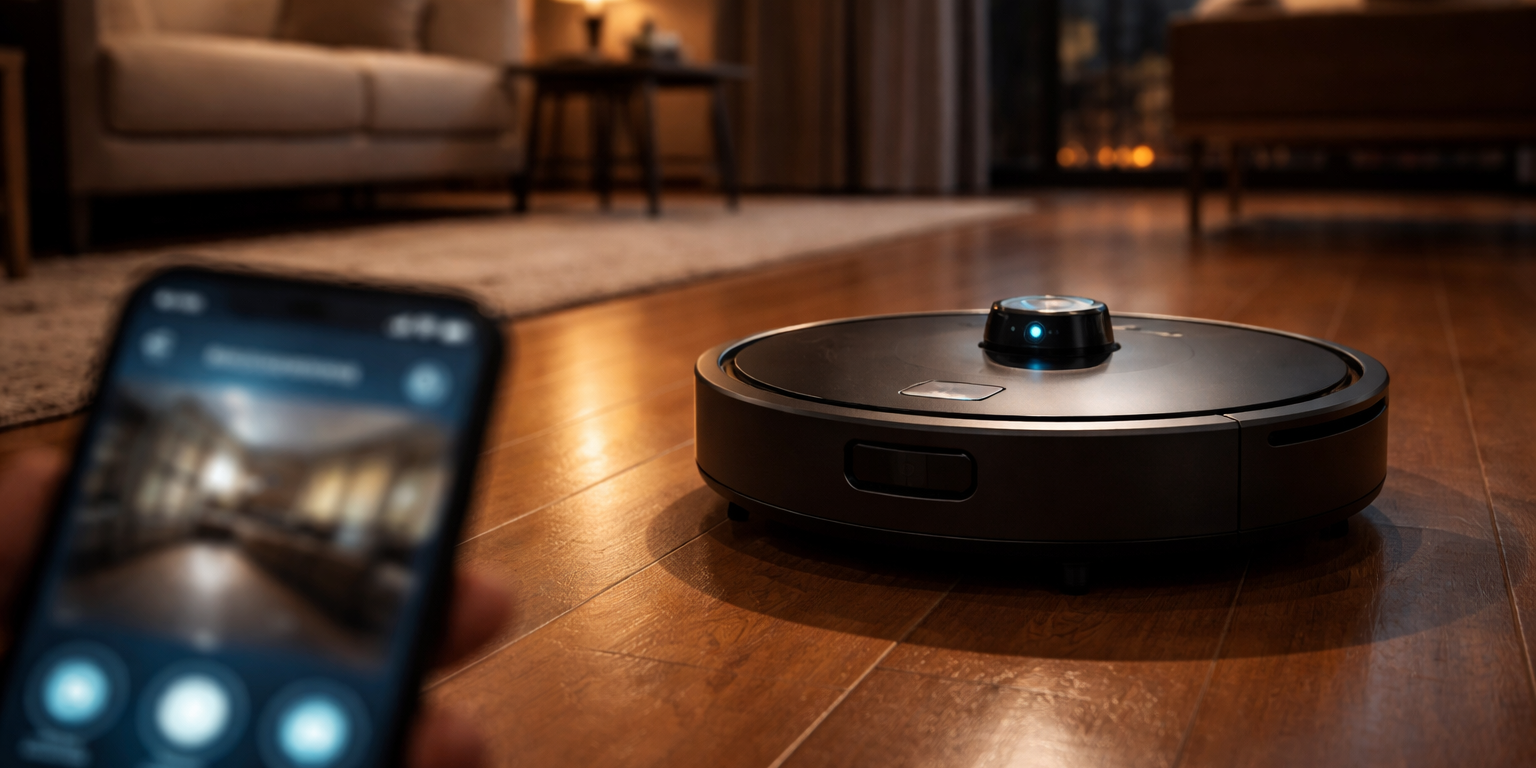

Two hundred autonomous floor cleaning robots will soon navigate the aisles of Denner supermarkets across Switzerland, marking one of the largest retail robotics deployments in European grocery operations. The fleet of PUDU CC1 units, supplied through a partnership between Shenzhen-based Pudu Robotics and Swiss integrator Robobee, will operate during regular business hours alongside human staff and customers. Denner, a discount supermarket chain owned by Migros Group, operates more than 800 locations throughout Switzerland and employs roughly 6,000 people. The deployment signals a broader automation strategy within the retailer's modernization program, moving facility maintenance from labor-intensive manual work to hybrid operations where human employees oversee robot fleets. Unlike after-hours cleaning regimes common in retail, these machines work continuously during store operations, requiring sophisticated obstacle avoidance and real-time path planning capabilities that distinguish them from earlier generation automated floor care equipment.
Pudu Robotics entered the commercial cleaning market in 2020 after establishing itself in food service delivery robots. The CC1 model runs on what the company describes as a modular architecture allowing single-unit deployment or coordinated fleet operations managed through cloud-based software. Each robot measures approximately 550mm in width and can clean up to 1,000 square meters per hour, according to specifications published by Pudu. The machines use LiDAR sensors combined with visual cameras for navigation and obstacle detection, building real-time maps of store layouts while identifying and avoiding shoppers, carts, and temporary obstructions like promotional displays. Battery runtime reaches four hours on a full charge, with autonomous return-to-dock capability when power runs low. The cleaning mechanism itself employs rotating brushes and vacuum systems similar to industrial scrubbers, but packaged in a form factor designed for human-occupied spaces rather than isolated warehouse floors. Denner's rollout will test whether this hardware can maintain consistent performance across varying store formats, from compact urban locations to larger suburban footprints where floor plans and traffic patterns differ significantly.
Robobee, the Zurich-area integration partner managing the deployment, specializes in service robotics for Swiss commercial clients. The firm handles installation, staff training, and ongoing technical support for the CC1 fleet. Integration work involves mapping each store location, programming optimal cleaning routes, establishing charging station placements, and training Denner employees to supervise robot operations and intervene when machines encounter problems beyond their autonomous capabilities. This human oversight layer represents a critical component of the deployment model. Store staff receive training on basic troubleshooting, route adjustments, and manual takeover procedures. The collaboration framework reflects industry consensus that retail robotics in customer-facing environments requires hybrid human-robot workflows rather than full automation. Customers will encounter robots during shopping trips, raising questions about acceptance rates and whether machines operating in active retail spaces create friction or novelty appeal. Early pilots in Asian markets suggest customers adapt quickly, but European retail environments present different cultural expectations around service quality and in-store experience.
The Denner deployment arrives as labor availability in Swiss retail tightens and wage pressures intensify. Switzerland's unemployment rate hovers near historic lows, making recruitment and retention in entry-level positions increasingly difficult for retailers operating on thin margins. Cleaning represents one of the most labor-intensive aspects of store operations, typically performed by overnight crews or early morning shifts. Moving this function to autonomous systems during business hours eliminates overnight labor costs while maintaining store cleanliness standards throughout the day. The economic calculus depends on robot acquisition costs, maintenance expenses, and productivity gains versus displaced human labor hours. Pudu has not disclosed CC1 unit pricing, but comparable commercial cleaning robots from competitors typically range from $15,000 to $40,000 per unit depending on capabilities and support packages. At 200 units, Denner's capital outlay likely falls between $3 million and $8 million, excluding integration services and ongoing software subscriptions. Payback periods for such investments typically span two to four years in commercial cleaning applications, assuming robots achieve 70-80% of human productivity levels while operating longer daily hours.
What to Watch: Monitor whether Denner expands the deployment beyond the initial 200-unit commitment, which would signal successful performance metrics and customer acceptance. Track competing deployments from European retailers, particularly Carrefour and Tesco, both of which have piloted cleaning robots in select markets. Watch for Pudu Robotics to publish utilization data or case studies from the Denner rollout, as these metrics will influence other European grocers evaluating similar automation strategies. Observe whether Swiss labor unions respond to the deployment with concerns about job displacement, potentially shaping regulatory or public relations challenges for retailers pursuing similar automation paths.