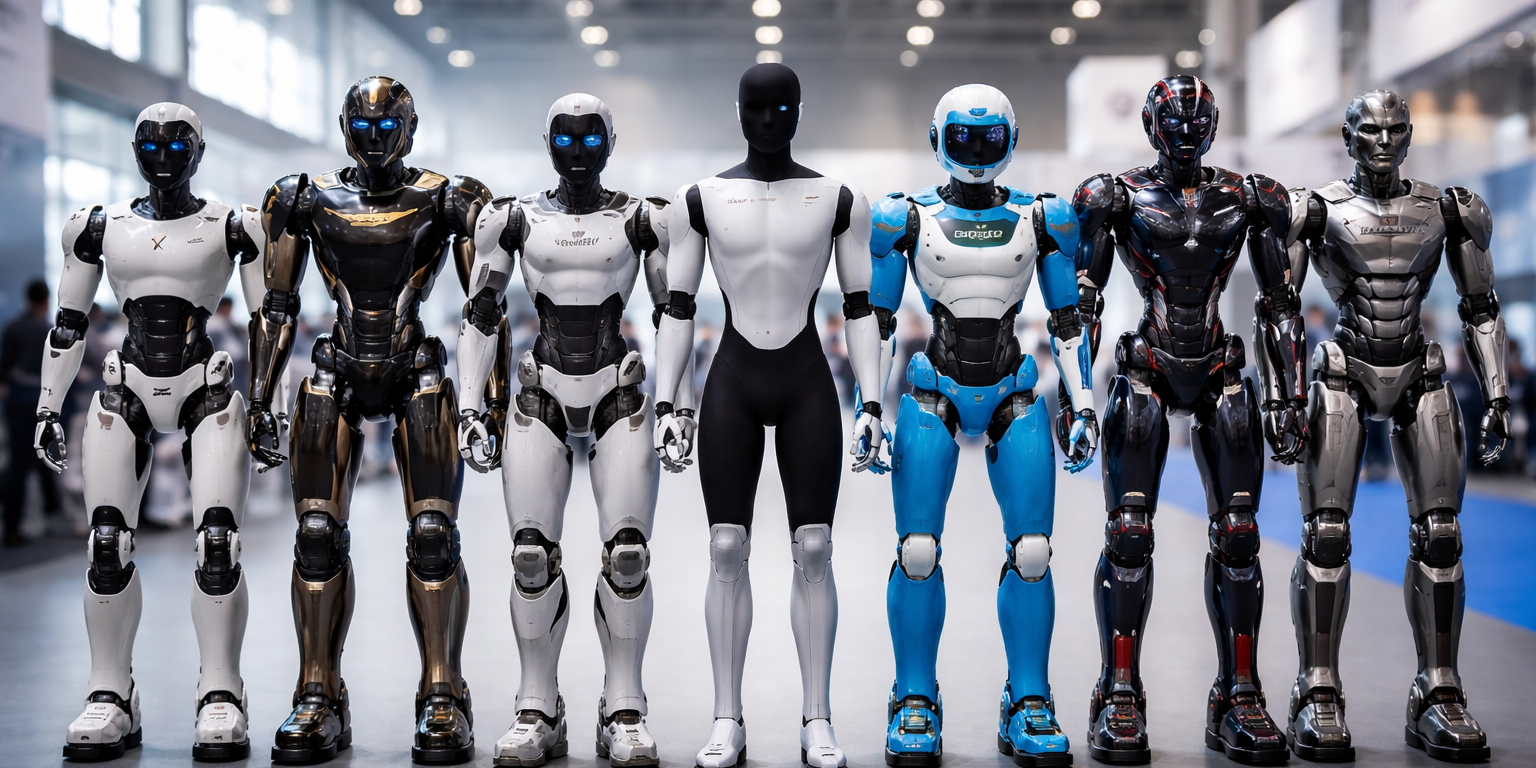
Defiance ETFs launched a specialized investment vehicle tracking companies developing humanoid robots, creating the first publicly traded fund focused purely on bipedal robotics platforms. The exchange-traded fund, trading under ticker ROBO, targets manufacturers building human-shaped machines and the supply chain feeding them—motion control systems, actuators, vision processors, and artificial intelligence software optimized for humanoid applications. Portfolio construction excludes traditional industrial robotics firms unless they demonstrate material revenue or R&D commitments to humanoid form factors. The fund's arrival follows twelve months of accelerating capital deployment into humanoid robotics startups, with venture funding in the category reaching $2.1 billion across thirty-seven deals in 2024 according to PitchBook data. Defiance positions ROBO as a pure-play alternative to broader robotics indexes that frequently allocate significant portions to legacy automation manufacturers whose humanoid exposure remains marginal or nonexistent.
Institutional appetite for humanoid-specific investment vehicles has grown as deployment timelines compress and commercial pilots expand beyond research labs. Figure AI's collaboration with BMW Manufacturing, Apptronik's deal with Mercedes-Benz, and Agility Robotics' multi-site logistics deployments with third-party providers have shifted investor perception from speculative technology to near-term revenue opportunities. The sector's addressable market calculations have evolved accordingly—analysts now model humanoid platforms capturing portions of the $1.3 trillion global logistics market and $680 billion manufacturing labor spend rather than positioning them as distant replacements for general human work. This reframing has practical implications for portfolio managers seeking exposure to specific automation trends rather than broad industrial technology baskets. ROBO's construction methodology explicitly weights companies by their humanoid-specific revenue projections and patent portfolios rather than total robotics revenue, distinguishing it from funds where humanoid developers represent low single-digit allocations alongside CNC machine tool manufacturers and legacy automotive suppliers.
Defiance selected holdings span the vertical integration stack. Publicly traded robotics manufacturers with humanoid platforms form core positions—the fund's methodology would capture companies like Agility Robotics if public, though current availability limits equity selection to firms with listed shares or publicly traded parent companies with disclosed humanoid divisions. Component suppliers constitute the fund's accessible investment universe at launch: sensor manufacturers supplying vision systems for bipedal navigation, semiconductor designers producing AI inference chips optimized for real-time motion planning, and actuator specialists building torque-dense joint motors for anthropomorphic manipulators. The fund's prospectus indicates quarterly rebalancing based on product announcements, pilot deployments, and patent filings related to humanoid-specific applications. Defiance's research team assigns weighting adjustments when companies announce commercial humanoid contracts or demonstrate working prototypes meeting specific mobility and manipulation benchmarks. This active component distinguishes ROBO from passive robotics indexes tracking market capitalization without regard to humanoid revenue contribution.
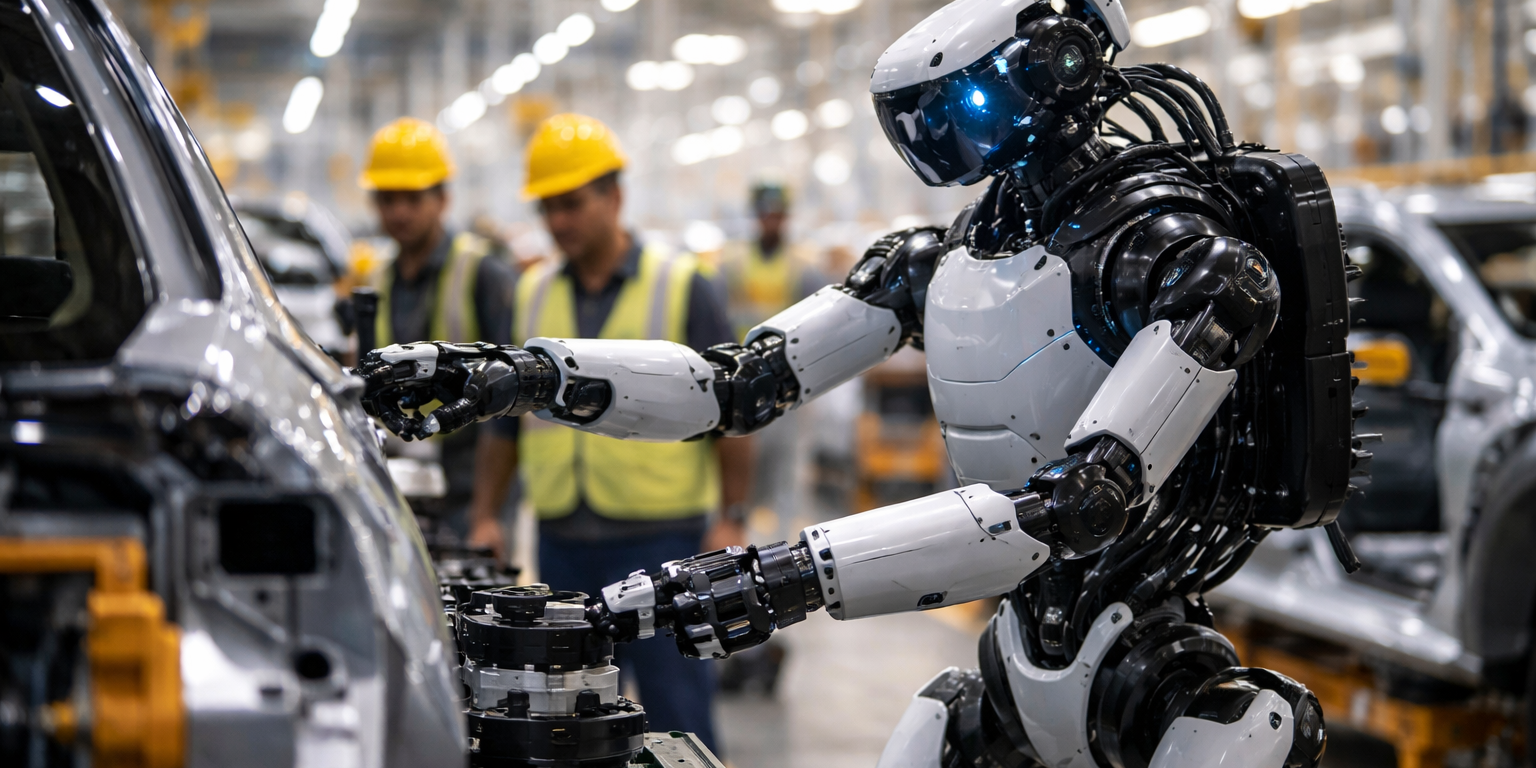
The timing reflects broader institutional recognition that humanoid form factors solve specific commercial problems despite higher complexity than wheeled or fixed-base systems. Warehouses and manufacturing facilities built for human workers present infrastructure constraints—doorways, staircases, workbench heights—that make retrofitting for specialized automation expensive compared to deploying humanoid platforms into existing layouts. This architectural compatibility argument has gained traction with corporate real estate strategists evaluating automation investment payback periods. Companies operating distributed fulfillment networks or multi-tenant industrial facilities increasingly model humanoid deployment costs against facility modification expenses required for traditional automated guided vehicles or conveyor expansions. The calculation favors humanoids in scenarios involving frequent layout changes, legacy building stock, or phased automation adoption where human and robotic workers share spaces during transition periods. These use cases have matured from theoretical to operational—Digit robots handle tote movement in active logistics facilities, Apollo humanoids undergo extended pilots in automotive plants, and multiple hospitality chains have tested bipedal platforms for cleaning and material transport in buildings designed a century before robotics consideration.
What to Watch: Monitor ROBO's initial holdings disclosure due within thirty days of launch for insight into which publicly traded component suppliers Defiance weighted most heavily. Track whether Tesla's Optimus development prompts the fund to adjust position sizing if the company separates robotics financials in quarterly reports. Watch for competing humanoid-focused ETFs from established robotics fund managers—Defiance's first-mover advantage disappears quickly if larger asset managers introduce rival products with lower expense ratios. Follow quarterly rebalancing announcements to identify which private humanoid developers Defiance views as acquisition targets for current holdings, as the fund's methodology explicitly considers M&A potential when weighting suppliers.